7 Best Ceramic Buttons For Artisan Knitwear To Use
Elevate your handmade garments with our top 7 ceramic button picks. Discover durable, artisan-crafted styles that add unique character to any knitwear piece.
Choosing the right button is the final, critical step in transforming a handmade garment into a professional-grade heirloom. Ceramic buttons offer a unique weight and tactile warmth that mass-produced plastic simply cannot replicate. Selecting the perfect fastener requires balancing the button’s aesthetic with the structural integrity of your knitted fabric. These seven selections represent the best in artisan craftsmanship for your next project.
MudWorks Pottery Hand-Glazed Floral Buttons
These buttons are the definition of a statement piece, featuring intricate, hand-painted floral motifs that pop against a high-gloss finish. Because they are individually glazed, no two buttons are exactly alike, which adds a layer of organic charm to a plain stockinette cardigan.
However, the weight of these buttons is significant. If you are knitting a delicate lace-weight shawl or a light fingering-weight top, these will likely drag the fabric down and cause the button band to sag.
They are best suited for heavier, worsted or bulky-weight wools that have enough structural "memory" to support the extra heft. Always ensure your buttonholes are reinforced with a bit of extra yarn or a tight whipstitch to prevent the button from stretching the fabric over time.
ClayHive Studio Minimalist Speckled Buttons
If your project features complex colorwork or a busy texture, you need a button that complements rather than competes. ClayHive’s speckled collection offers a subtle, earthy aesthetic that grounds a vibrant garment without drawing too much attention.
The matte finish on these buttons provides a slight grip, which is excellent for sweaters that tend to work themselves open. Unlike shiny, slick plastic buttons, these stay put in the buttonhole once they are fastened.
These are my go-to choice for garments intended for daily wear. Their neutral palette works beautifully with natural fibers like undyed Highland wool or rustic Shetland yarns.
Earthborn Ceramics Rustic Earth-Tone Buttons
These buttons feel like they were pulled directly from the forest floor, featuring raw, unglazed edges and deep, moody glazes. They are perfect for projects like heavy-duty fisherman sweaters or thick, cabled jackets.
Because they have a slightly uneven, textured surface, they can be abrasive to very soft fibers like cashmere or fine merino. I advise checking the back of the button for any sharp spots before sewing them onto a luxury yarn project.
If you are working with a hardy, high-twist wool, however, these are a perfect match. Their rugged durability stands up well to the natural friction of outdoor wear.
WhimsyKnits Custom Hand-Painted Clay Buttons
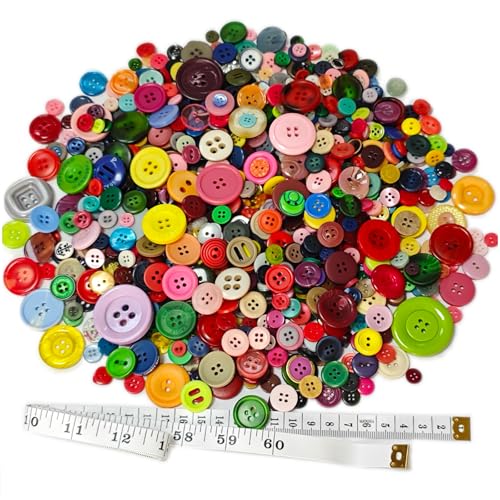

WhimsyKnits offers a playful approach, often incorporating whimsical designs that can add a touch of personality to children’s knitwear. These buttons are usually lighter in weight than standard stoneware, making them more versatile for a wider range of gauges.
The customization aspect is a massive benefit if you are trying to color-match a specific hand-dyed yarn. You can often coordinate the button glaze to pick up the subtle undertones in your variegated skeins.
Just be aware that hand-painted surfaces can be more prone to chipping than high-fire, solid-color glazes. Treat these as a "special occasion" choice rather than a workhorse button for a garment you plan to wash weekly.
Stone & Fire Artisan Stoneware Toggle Buttons
Toggles are an underrated choice for knitters, especially for those who struggle with traditional buttonholes. These stoneware toggles provide a secure, easy-to-use closure that looks intentional rather than like an afterthought.
They are particularly effective for heavy coats or oversized cardigans where you want to avoid the bulk of a large, circular button. The elongated shape distributes the tension of the garment across a larger area of the fabric.
When using these, ensure your toggle loop is knit with a sturdy, non-superwash yarn. Superwash wool tends to grow and lose its shape, which will cause the toggle to slip out unexpectedly.
FireGlaze Pottery Geometric Patterned Buttons
Geometric patterns offer a modern, clean look that pairs exceptionally well with minimalist, architectural knitting patterns. These buttons are often fired at very high temperatures, making them dense, durable, and resistant to breakage.
The sharp, clean edges of these designs can be a great way to add structure to a floppy, loose-gauge knit. If your garment feels a bit "limp," a rigid, geometric button can act as a focal point that draws the eye and anchors the design.
Be mindful of the button diameter relative to your buttonhole. Because these have a very defined shape, they don’t "squish" into a hole like a wooden or plastic button; ensure your buttonhole is sized accurately during the knitting process.
MeadowClay Keepsake Embossed Ceramic Buttons
Embossed buttons feature raised patterns that provide a tactile, three-dimensional element to your knitwear. These are ideal for adding a touch of vintage elegance to a classic, timeless pattern.
Because the design is raised, these buttons have a tendency to catch on loose yarn ends or delicate lace stitches. If you are knitting an open, airy lace project, place these buttons carefully to avoid snagging.
They are best utilized on dense, tight-gauge fabrics where the surface is smooth and stable. They turn a simple garter-stitch vest into a sophisticated piece of wearable art.
How to Choose Ceramic Buttons for Your Knitwear
The golden rule of button selection is to match the weight of the button to the weight of the yarn. A heavy ceramic button on a lightweight silk-blend sweater will cause the fabric to distort and eventually tear at the buttonhole.
Consider the "washability" of your garment as well. If you are knitting a superwash wool sweater that will be tossed in a machine, ceramic buttons are risky; they can crack against the drum of the washer or damage other clothes.
- Check the shank: Ensure the button has a proper shank (the loop on the back) to allow the fabric to sit underneath it comfortably.
- Assess the finish: A smooth, glazed finish is safer for delicate fibers than a raw, porous ceramic surface.
- Test the size: Always pass your chosen button through the buttonhole before you sew it on; it should be snug but not a struggle to pass through.
Caring for Artisan Ceramic Buttons on Sweaters
Treat your ceramic buttons with the same care you give your hand-knit sweaters. If possible, hand-wash your garments to minimize the impact and friction that ceramic buttons might experience in a machine.
If you must machine wash, turn the garment inside out and use a mesh laundry bag to prevent the buttons from clattering against the machine walls. This simple step can prevent both the buttons from chipping and the drum of your machine from scratching.
Over time, check the buttons for any fine hairline cracks. If a button shows signs of damage, replace it immediately to prevent it from shattering while the garment is being worn.
Sewing Tips for Secure Ceramic Button Attachments
Sewing a ceramic button requires a bit more care than a standard plastic one. Use a sturdy, non-stretchy thread, such as a heavy-duty polyester or a doubled length of your project yarn, to ensure the button stays centered.
Always create a "thread shank" by wrapping your thread around the base of the button several times before knotting it off. This creates a small gap between the button and the fabric, allowing the buttonhole to sit comfortably underneath the button without pulling.
Finally, place a small, flat button on the inside of the garment directly behind the ceramic button. This acts as a reinforcement, distributing the weight of the ceramic across a wider area of the fabric and preventing the button from pulling through your knitting.
Artisan ceramic buttons are the final flourish that elevates a project from a hobbyist’s craft to a professional garment. By considering the weight, texture, and attachment method, you ensure your hard work remains beautiful for years to come. Take your time with the finishing process, as these small details are what truly define your personal style as a knitter. Happy stitching, and may your buttons always be as sturdy as they are beautiful.