6 Best Craft Glue Sticks For Permanent Embellishments
Discover the 6 best craft glue sticks for lasting embellishments. This guide evaluates bond strength and durability to help you choose the perfect adhesive.
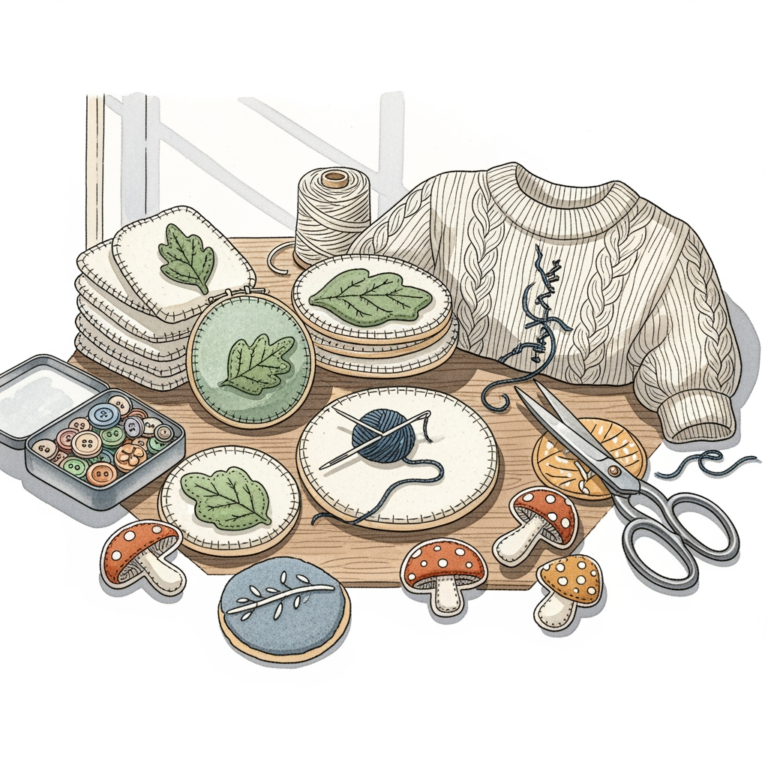
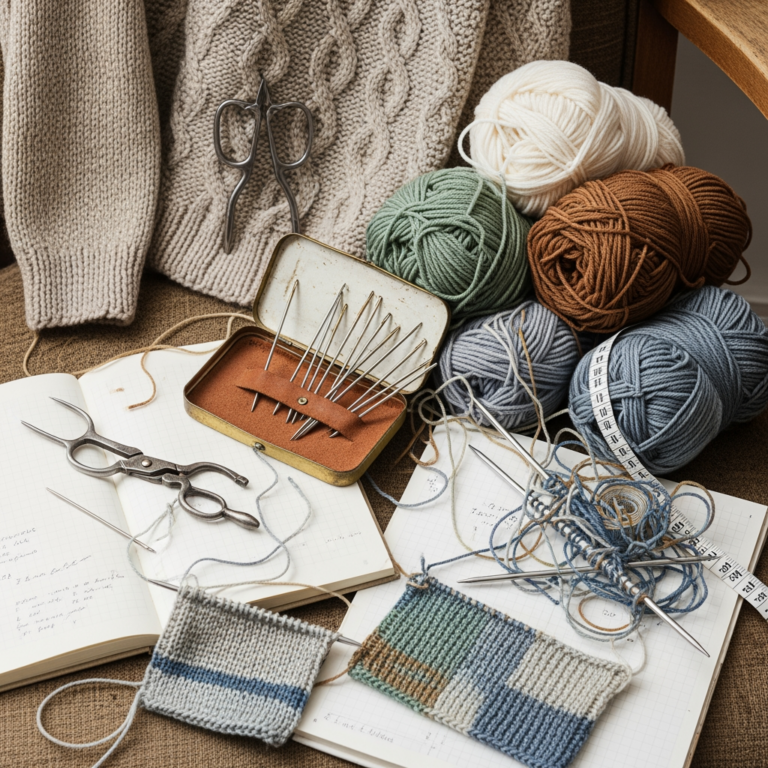
Adding embellishments to a finished knit piece can transform a simple stockinette sweater into a unique, textured masterpiece. Whether you are attaching felted wool appliqués, silk ribbons, or intricate lace motifs, the right adhesive is just as critical as your needle choice. Choosing the wrong glue can lead to stiff, unsightly residue or, worse, items falling off after the first wash. This guide explores the best glue sticks to ensure your creative additions stay secure without compromising the integrity of your fibers.
Aleene’s Tacky Glue Stick: Best Overall Choice


When you need a reliable bond that bridges the gap between paper crafting and fiber arts, Aleene’s is the industry standard. It provides a thicker, more viscous application than standard office supplies, which is essential when working with the porous surface of yarn.
For knitters, the main advantage here is the controlled tackiness. It holds heavier embellishments in place long enough for you to secure them with a few hidden stitches if necessary. It is particularly effective for attaching rigid items like buttons or metal charms to a dense, worsted-weight wool.
However, keep in mind that this glue dries with a slightly firm texture. If you are applying it to a delicate lace shawl, use it sparingly to avoid creating a "crunchy" spot in your fabric.
UHU Stic Permanent Adhesive: Top Fabric Bond

UHU Stic is a favorite among makers because it handles the slight movement of fabric better than most competitors. If you are attaching a patch to a knit sleeve, you need an adhesive that can flex slightly when the wearer moves their arm.
This stick is remarkably consistent in its application, leaving behind very little lumpy residue. It works beautifully on natural fibers like cotton or linen, which tend to absorb the adhesive slightly to create a mechanical bond within the fiber structure.
The tradeoff is that it requires a longer drying time to reach its full permanent potential. Be patient and let your project lie flat for at least 24 hours before wearing it or gifting it.
Elmer’s CraftBond Extra Strength Glue Stick
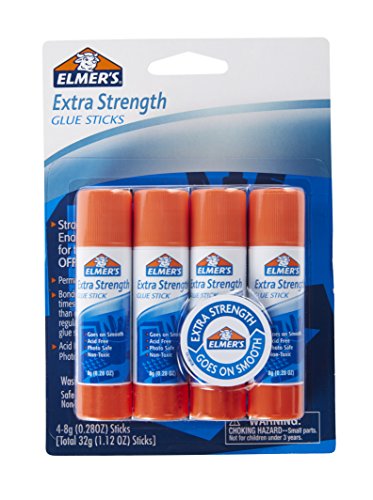
Elmer’s CraftBond is designed for projects that require a bit more grit. If you are working with bulky, high-twist yarns that have a lot of "spring," you need an adhesive that won’t give way when the yarn naturally tries to relax or expand.
This formula is exceptionally strong and works well on synthetic fibers like acrylic or nylon, which often repel traditional water-based glues. If you are gluing a felt flower to a synthetic blend beanie, this is your go-to.
Be aware that "extra strength" often means it is harder to remove if you make a mistake. Always test on a small swatch before applying it to the front of your finished garment.
Scotch Permanent Glue Stick: Reliable Hold

Scotch Permanent is the "workhorse" of the craft room, perfect for lighter embellishments like ribbons or thin fabric scraps. It is easy to apply and offers a smooth, even layer that won’t show through thin, light-colored yarns.
If you are a knitter who enjoys adding delicate silk ribbons to the cuffs of a cardigan, this glue provides a clean finish. It doesn’t clump, which is vital when working with fine-gauge knitwear where any extra bulk would be immediately visible.
It is not, however, designed for heavy-duty weight-bearing tasks. Stick to lightweight, decorative elements to ensure your work remains secure over time.
Avery Permanent Glue Stick for Embellishments

Avery’s formula is surprisingly effective for fiber arts because it is designed to be acid-free and archival. This is a massive benefit if you are creating an heirloom piece that you want to preserve for decades.
The glue provides a medium-strength hold that is perfect for delicate work. If you are attaching small, intricate paper or fabric motifs to a baby blanket, you won’t have to worry about the glue yellowing or degrading the yarn over time.
It is a gentle option that respects the fiber. Just remember that it is not intended for high-stress areas like elbows or cuffs where friction will eventually break the bond.
Gorilla Glue Craft Stick: Heavy Duty Option
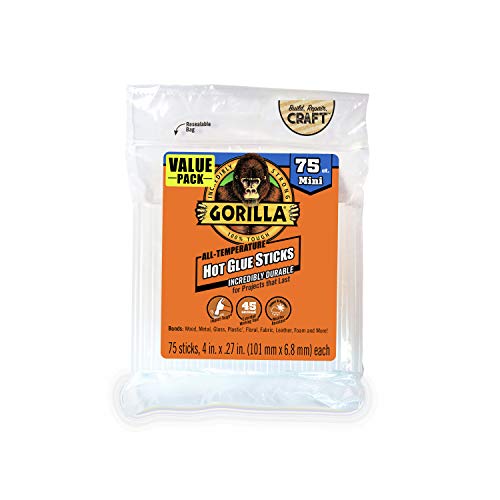
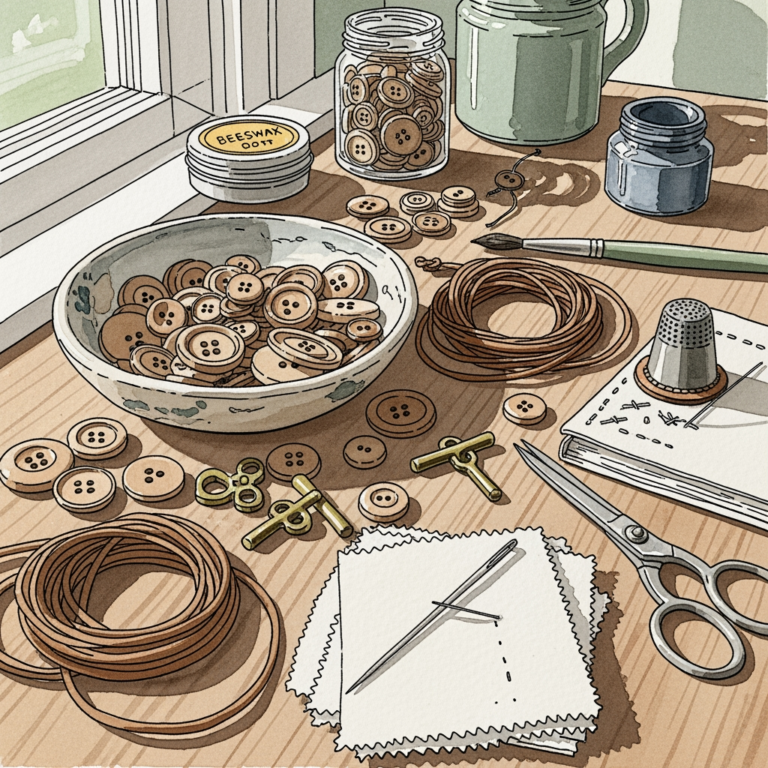
Gorilla Glue is synonymous with strength, and their craft stick is no different. This is the adhesive you choose when you are attaching something heavy, like a large wooden toggle or a heavy leather patch, to a thick, hand-knit sweater.
The formula is designed to be moisture-resistant, which is a huge plus for knitwear that might be exposed to the elements. It provides a robust, permanent bond that holds up well against the natural oils and moisture found in wool fibers.
Because it is so strong, it can be quite stiff. Use it only on areas where you don’t need the fabric to drape, such as a reinforced placket or a sturdy shoulder seam.
How to Test Adhesives on Different Yarn Fibers
Before committing to a permanent application, you must create a test swatch. Take a small scrap of the same yarn you used for your project and apply the glue to a piece of your embellishment material.
- Check for bleed-through: See if the glue darkens or changes the color of the yarn.
- Test the bond: Let it dry for 24 hours, then gently tug at the embellishment to see if it holds.
- Evaluate flexibility: Bend the swatch to see if the glue cracks or pulls away from the fibers.
Always remember that wool, cotton, and acrylic react differently to adhesives. A bond that works on a slick superwash wool may fail on a fuzzy, unspun roving yarn.
Preventing Glue Stains on Delicate Fiber Work
Glue stains are the nightmare of every knitter, especially after spending dozens of hours on a project. The key is to apply the glue to the embellishment, not the knit fabric itself.
Use a piece of wax paper underneath your work to catch any stray adhesive. If you do get glue on your knitting, do not rub it; instead, gently dab it with a slightly damp cloth or a specialized adhesive remover suitable for your fiber type.
Always work on a clean, flat surface with good lighting. Taking your time during the application process is the best way to prevent messy, permanent mistakes.
Ensuring Longevity for Permanent Embellishments
To make your embellishments truly permanent, consider them a "hybrid" attachment. Use the glue stick to position and hold the item, then follow up with a few small, discreet stitches using sewing thread that matches the color of your yarn.
This combination of chemical adhesive and physical stitching ensures that your work stays put through multiple wash cycles. It also prevents the "peeling" effect that can happen when glue is subjected to the constant stretching and relaxing of knit fabric.
Always follow the care instructions for your yarn. If your sweater is hand-wash only, ensure your glue is also compatible with gentle, cool-water hand washing.
Essential Safety Tips for Using Craft Adhesives
Even though these are "craft" glues, they contain chemicals that require respect. Always work in a well-ventilated area to avoid inhaling fumes, especially if you are working on a large project for an extended period.
Keep your glue sticks capped when not in use to prevent them from drying out or collecting dust. If you get glue on your skin, wash it off immediately with soap and water rather than letting it dry.
Finally, keep all adhesives out of reach of children and pets. Your knitting supplies should be a place of joy, not a source of accidental ingestion or irritation.
Mastering the art of embellishment adds a professional, custom touch to your hand-knit garments. By choosing the right adhesive for your specific fiber blend and project needs, you can ensure your hard work stays beautiful for years to come. Remember that a little glue goes a long way, and a combination of adhesive and a few strategic stitches is often the secret to a truly permanent finish. Happy knitting, and enjoy the process of making your projects uniquely yours.