6 Best Needle Stoppers For Double Pointed Needles
Keep your stitches secure with our top 6 needle stoppers for double-pointed needles. Discover the best picks to prevent dropped loops and simplify your knitting.
Double pointed needles are a staple for socks and mittens, but they are notorious for sliding out of stitches when tossed into a project bag. A good needle stopper acts as an insurance policy for your hard work, preventing dropped stitches and accidental unravelling. Choosing the right protector requires balancing grip, size compatibility, and ease of use. This guide breaks down the best options currently available to keep your knitting safe and secure.


Clover Point Protectors: Best Overall Versatility

Clover point protectors are the industry standard for a reason. They feature a soft, pliable material that stretches easily to accommodate a wide range of needle diameters without feeling overly tight.
These are particularly useful if you frequently switch between bamboo and metal needles. The inner geometry of the protector is designed to grip the taper of the needle tip, ensuring they don’t pop off during travel.
Because they come in various sizes, you can color-code your project bags. If you are working on a complex lace shawl with multiple needle sizes, having these distinct, reliable stoppers is a lifesaver.
ChiaoGoo Silicone Needle Ends: Best Secure Grip

If you have ever had a metal needle slide through a flimsy stopper, you know the frustration of finding a laddered row of stitches. ChiaoGoo’s silicone ends are engineered with a high-friction material that clings to even the slickest nickel-plated needles.
The deep, conical shape allows them to seat firmly over the tips. This creates a seal that is surprisingly difficult to dislodge, even when the project bag is jostled in a backpack or purse.
They are ideal for knitters who use high-end, polished steel needles. While they can be slightly harder to pull off, that extra effort is a small price to pay for the peace of mind they provide.
KnitPro Needle Stoppers: Best for Small Needles
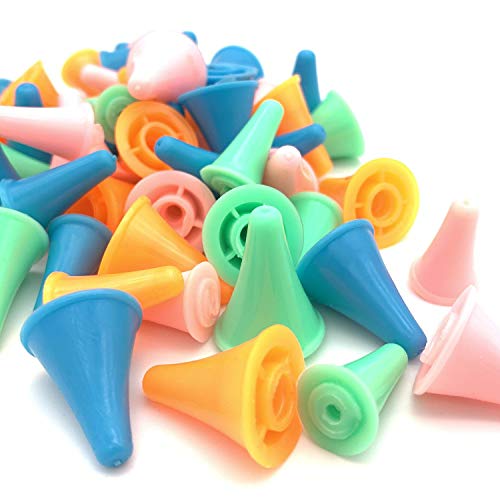
KnitPro stoppers excel where others fail: the delicate, tiny sizes used for sock knitting. When you are working on 2.0mm or 2.25mm needles, standard protectors are often too large and simply fall off.
These stoppers are specifically sized to snuggle onto those thin, fragile tips. They are lightweight enough that they won’t cause the needles to bend or warp if the project is left resting for a long period.
They are a must-have for sock knitters who work with fine-gauge yarn. Keeping your tiny DPNs bundled together is the best way to ensure you don’t lose one in the depths of your couch cushions.
HiyaHiya Puppy Point Protectors: Best for Fun

Sometimes, the best tool is the one that makes you smile while you work. HiyaHiya’s puppy-shaped protectors are not just cute; they are highly functional, made from a soft, flexible rubber that fits various needle sizes.
Their unique shape provides a wide surface area, making them easy to grip and remove, even for knitters with arthritis or limited dexterity. The "ears" can even help prevent the needles from rolling off a flat table.
Don’t let the whimsical design fool you into thinking they are just a novelty. They offer a reliable hold that stands up to daily use and adds a touch of personality to your knitting kit.
Susan Bates Needle Point Guards: Best Value Set
Susan Bates point guards are the classic choice for a reason: they are affordable and come in generous multi-packs. If you are a prolific knitter with a dozen projects on the needles at once, this is the most economical way to keep them all protected.
These are generally made of a firmer plastic than silicone alternatives. While they might not provide the same "sticky" grip, they are incredibly durable and won’t degrade or get tacky over time.
They are perfect for keeping in your "emergency kit" or project bag pockets. You can buy them in bulk, ensuring you never have to choose which project gets the protection it needs.
Boye Rubber Point Protectors: Best for Beginners

Boye protectors are widely available and very straightforward to use. They are made from a soft, forgiving rubber that is easy to slide onto the tips of bamboo or aluminum needles.
For a beginner, the simplicity of these stoppers is a major advantage. You don’t have to worry about finding the "perfect" fit; the flexible material accommodates a wide range of standard needle sizes comfortably.
They are a great introduction to knitting accessories. As you gain more experience, you might eventually upgrade to specialized silicone tips, but these will always have a place in your notions box.
How to Choose the Right Stopper for Your Needles
Selecting the right stopper comes down to the material of your needles. Slick, polished metal needles require a high-friction silicone, while bamboo or wooden needles can get away with a firmer, less grippy stopper.
Consider the weight of your project as well. A heavy, wool-filled sweater will put more tension on the needle tips, so you need a protector that seats deeply and stays put under pressure.
Always check the diameter range listed on the package. A stopper that is too large will fall off, and one that is too small can actually damage the finish of your expensive needles over time.
Why Use Stoppers on Double Pointed Needle Sets
Double pointed needles are notorious for slipping out of stitches when they aren’t actively being used. Because they are short and lack a stopper at one end, they are prone to "sliding out" of your fabric.
Using a protector allows you to bundle your DPNs together securely. This prevents the needles from poking holes in your project bag or, worse, losing a needle entirely.
It also keeps your stitches from migrating off the tips. Even if you are careful, a single dropped stitch on a DPN set can quickly lead to a run that travels down several rows, ruining your gauge and pattern alignment.
Common Materials: Silicone Versus Hard Plastic
Silicone is the go-to for grip, but it comes with a tradeoff. Over time, some silicone can attract dust and lint, making it less effective until it is washed with a little mild soap and water.
Hard plastic or firm rubber is more durable and less likely to pick up debris. However, they lack the "cling" factor that prevents accidental slips on metal needles.
If you are a knitter who works with slippery, high-twist superwash wool, prioritize silicone. If you prefer rustic, grippy wools or wooden needles, hard plastic will likely suffice.
Proper Storage Tips for Your Knitting Notions
Keep your needle stoppers in a dedicated, clear container to avoid losing them. I recommend using a small tin or a zippered notions pouch specifically for your point protectors.
Avoid leaving silicone stoppers in direct sunlight or extreme heat, as this can cause them to become sticky or degrade faster. A cool, dry environment is best for maintaining their elasticity.
If you find your stoppers are getting dusty, a quick rinse in warm soapy water will restore their grip. Dry them completely before putting them back on your needles to prevent any moisture buildup on your metal tips.
Investing in a quality set of needle stoppers is one of the simplest ways to protect your knitting investment. Whether you prefer the grip of silicone or the durability of hard plastic, there is a perfect option to suit your specific needle collection. By keeping your DPNs secure, you ensure that your projects remain safe and ready for the next row. Happy knitting, and may your stitches always stay right where they belong.