
6 Best Tension Masts For Smooth Yarn Delivery
Optimize your weaving with our top 6 tension masts. Discover how these tools ensure smooth yarn delivery, reduce breakage, and improve overall fabric quality.
Machine knitting is a rhythmic dance between your hands and the mechanical precision of your needles, but that dance falls apart the moment your yarn snags. A high-quality tension mast acts as the gatekeeper, ensuring your fiber flows into the carriage with consistent, calibrated resistance. Without this critical component, even the most expensive knitting machine will produce uneven stitches and dropped loops. Here are the top tension masts that will transform your knitting experience from frustrating to fluid.
Addi Express Yarn Guide: Best Overall Choice
The Addi Express yarn guide is a masterclass in simplicity, designed specifically for those who use circular knitting machines. It eliminates the guesswork of hand-feeding yarn, which is essential when you are trying to maintain a steady speed on a manual crank.


Because the Addi system is lightweight, it is incredibly forgiving for beginners who might accidentally yank the yarn during a row. It provides just enough drag to prevent the yarn from jumping out of the needles, which is a common disaster when using slippery acrylics or loose-spun wools.
The trade-off here is that it lacks the heavy-duty adjustment springs found on industrial flatbed machines. If you are working with heavy, uneven art yarns, this guide might feel a bit too delicate. However, for standard DK or worsted weight projects, it is an unbeatable, stress-free solution.
Brother Yarn Tension Mast for KH-860 Series
Brother machines are legendary for their precision, and the tension mast for the KH-860 series is the backbone of that reliability. It features a dual-spring system that allows you to manage two strands of yarn simultaneously, which is perfect for those who love to hold a strand of wool with a strand of mohair.
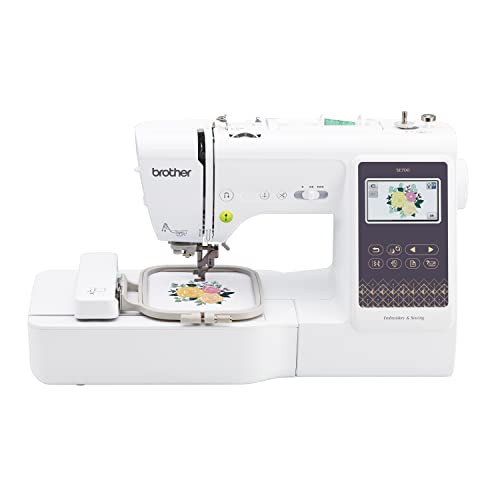
The build quality is substantial, offering a level of stability that prevents the "wobble" often seen in cheaper, aftermarket replacements. When you are performing intricate tuck stitches or complex fair isle patterns, this stability ensures that the tension remains uniform across every single needle.
Be mindful that these masts are often sold as vintage parts, so check that the tension discs are free of rust or dried-up machine oil. A clean, smooth disc is the difference between a clean stitch and a snagged mess.
Silver Reed Yarn Mast for Studio Machines

Silver Reed machines are the workhorses of the modern studio, and their tension mast is designed for high-volume production. It is highly adjustable, featuring a wide range of tension settings that accommodate everything from gossamer-thin lace weight to sturdy cottons.

The standout feature is the precision of the tension dial, which clicks firmly into place. This is invaluable when you are working on a long project over several days and need to replicate the exact tension setting after a break.
If you find that your yarn is "looping" on the back of your fabric, it is usually a sign that your mast tension is too loose. The Silver Reed mast allows for micro-adjustments that can tighten up your stitch structure without requiring you to change your main carriage settings.
KnitKing Tension Mast for Standard Gauge

KnitKing masts are often the unsung heroes of the standard gauge world, providing a rugged, no-nonsense approach to yarn delivery. They are built to withstand the rapid-fire movements of a carriage moving across 200 needles, time and time again.
The geometry of the wire guides on the KnitKing mast is specifically engineered to minimize friction. This is vital when working with "sticky" fibers like high-twist wool or linen, which tend to fight against the machine’s internal mechanics.
While they may lack the aesthetic flair of newer models, their durability is unmatched. If you are a prolific knitter who spends hours at the machine, this mast will likely outlast every other accessory in your craft room.
Passap Duo Yarn Mast for Dual Bed Machines
The Passap Duo mast is a unique piece of engineering designed for the specific demands of double-bed knitting. Because these machines create complex fabrics like interlock or ribbing, the yarn delivery must be absolutely flawless to avoid jamming the beds.
This mast provides a specialized path for the yarn that prevents it from tangling when the carriages are moving in opposite directions. It is a heavier system, which is a necessary trade-off for the complexity of the knitting it supports.
If you are new to Passap machines, do not be intimidated by the multiple wire loops. They are there to create a "cushion" of yarn, ensuring that the machine never pulls directly from the cone, which would otherwise cause uneven tension and potential dropped stitches.
Singer 321 Yarn Guide and Tension Mast
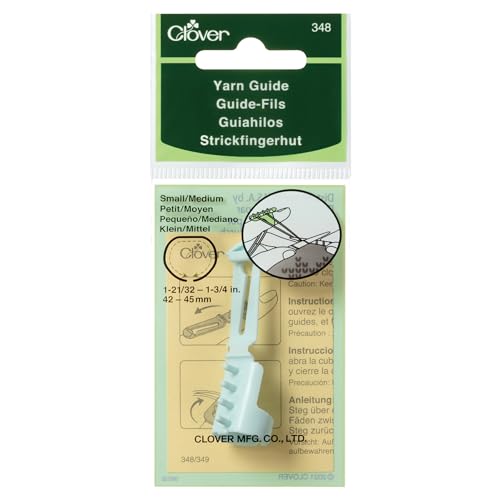
The Singer 321 mast is a classic example of "if it isn’t broken, don’t fix it." It is a straightforward, reliable tool that excels at delivering yarn to the carriage with minimal resistance.
It is particularly effective for knitters who prefer using cones of yarn, as the height of the mast is perfectly calibrated to feed from the floor or a yarn winder. The tension discs are easy to clean, which is a massive bonus if you frequently knit with fuzzy, shedding fibers like angora or mohair.
While it lacks the sophisticated multi-strand capabilities of modern machines, it is a master of consistency. For a knitter focused on plain stockinette or simple patterns, it is a reliable companion that won’t distract from the rhythm of the work.
Why Every Machine Knitter Needs a Tension Mast
Many beginners assume that as long as the yarn is feeding into the machine, the job is done. In reality, a tension mast is the primary filter that removes the "memory" of the yarn from the cone before it hits your needles.
Without a mast, the yarn will pull directly from the cone, which often results in uneven tension throughout a single row. This leads to rows that look slightly different in size, or worse, stitches that are too tight to knit off properly.
By routing your yarn through the tension mast, you are essentially "pre-stretching" the fiber. This ensures that every stitch is formed with the same amount of force, leading to a professional-grade finish that looks like it came off a loom rather than a home machine.
How to Properly Thread Your Yarn Tension Mast
Threading a mast is a ritual that should be performed with care, not haste. Always ensure that the yarn is coming off the cone in the direction the manufacturer intended, usually in a smooth, upward spiral.
- Start at the base: Thread the yarn through the lowest guide loop to provide the first layer of stability.
- Pass through the discs: Carefully place the yarn between the two tension plates, ensuring it sits deep in the groove.
- The final loop: Bring the yarn through the top wire eyelet, which acts as the final gatekeeper before the yarn enters the carriage.
If you feel any resistance while pulling the yarn through the mast, stop immediately. A snag at the mast is a disaster waiting to happen once you start cranking the carriage.
Troubleshooting Common Yarn Delivery Snags
If your machine is dropping stitches consistently, the first place to look is your tension mast. Often, a tiny bit of fiber or dust has accumulated between the tension discs, preventing them from gripping the yarn evenly.
Check for "yarn memory"—if your yarn has been on a cone for years, it may have developed a curl that causes it to snag on the mast eyelets. A simple fix is to run the yarn through a sponge or a piece of foam before it hits the mast to smooth out the fiber.
Also, observe the "bounce" of the yarn. If the yarn is vibrating wildly between the cone and the mast, your tension is likely too high. Lowering the mast or moving the cone further away can often solve the vibration issue instantly.
Maintenance Tips for Your Tension Assembly
Your tension mast is a mechanical device and requires occasional cleaning to remain effective. Use a soft, lint-free cloth to wipe down the tension discs every few projects to remove wax and fiber residue.
If you notice your tension discs are sticking, a tiny drop of specialized machine oil on the spring assembly can work wonders. However, never get oil on the discs themselves, as this will transfer to your yarn and ruin your project.
Finally, periodically check the wire eyelets for grooves. Over time, high-friction yarns can actually cut tiny notches into the metal, which will snag your future projects. If you find a groove, use a bit of fine-grit sandpaper to smooth it out, or replace the eyelet entirely.
Investing time in understanding your tension mast is one of the most rewarding steps you can take as a machine knitter. By mastering the flow of your fiber, you gain total control over the consistency and quality of your fabric. Whether you are using a vintage Brother or a modern Addi, the principles of smooth delivery remain the same. Keep your discs clean, your path clear, and your tension balanced for the best possible results.