7 Best Project Labels For Organizing Finished Items
Streamline your workflow with these 7 essential project labels. Learn how to categorize finished items effectively to boost productivity and maintain order.
After spending dozens of hours perfecting the tension on a complex cabled sweater, the final step of finishing feels like a true rite of passage. Adding a label transforms a pile of yarn into a professional-grade garment that carries your maker’s mark. Choosing the right tag ensures your hard work is recognized and cared for correctly by the wearer. These seven options represent the best ways to provide that final, polished touch to your handknits.
Namaste Personalized Cotton Fabric Labels


Cotton labels offer a soft, organic aesthetic that pairs beautifully with natural fibers like wool or alpaca. Because they are made from a breathable, woven material, they won’t irritate the skin when placed inside the neckline of a sweater.
These labels are particularly effective for knitters who prioritize a "slow fashion" look. They feel substantial to the touch and hold their shape well after multiple washes.
However, keep in mind that cotton can fray at the edges if not secured properly. If you are attaching these to a garment that will see heavy wear, ensure your stitching is tight and consistent.
Wunderlabel Custom Woven Clothing Labels
Wunderlabel specializes in high-density woven tags that feel incredibly smooth against the skin. They are the gold standard for knitters who want a crisp, professional look that mimics store-bought luxury garments.
Because the text is woven directly into the fabric rather than printed on top, these labels are remarkably durable. They won’t fade or crack, even after repeated trips through the washing machine.
If you are gifting your knits, these labels add an immediate sense of authority and care. They are the best choice for projects that you want to stand the test of time.
Dutch Label Shop Iron-On Woven Tags

Iron-on tags are a lifesaver for knitters who find the prospect of sewing on a label to be a tedious chore. These work by using a heat-activated adhesive backing that bonds directly to the fabric.
They are incredibly convenient, but you must be careful with your fiber choice. Avoid using these on delicate, heat-sensitive fibers like mohair or certain acrylics, as the heat required for the iron could melt or distort your stitches.
Always test on a swatch first to ensure the adhesive doesn’t bleed through the yarn. When applied correctly to a sturdy wool, they offer a clean, flat finish that won’t snag.
EverEmblem Personalized Leather Labels

Leather labels add an immediate "boutique" feel to heavy winter accessories like beanies or cowls. They provide a structural contrast to the softness of the yarn, making them perfect for rustic, woolen-spun projects.
Because leather is thick, you shouldn’t try to sew through it with standard sewing thread. Use a sturdy embroidery floss or a thin, waxed linen thread to ensure the label stays securely attached without tearing the leather.
Be mindful that leather behaves differently than yarn when wet. If you plan to wash your item frequently, look for "washable" leather or faux-leather options to prevent the tag from stiffening or cracking.
HiyaHiya Custom Stamped Metal Tags

Metal tags provide a sleek, industrial finish that looks stunning on modern, minimalist designs. They act like a piece of jewelry for your knitwear, giving it a high-end, finished appearance.
These are usually attached via small jump rings rather than being sewn down flat. This allows the tag to dangle slightly, which prevents it from pulling or distorting the fabric as the garment moves.
They are perfect for heavy-gauge items where a fabric label might get lost in the texture. Just ensure the metal is nickel-free to avoid any potential skin sensitivities for the wearer.
Studio Lowen Folded Edge Satin Labels

Satin labels are the definition of elegance, offering a silky sheen that feels luxurious against the neck. They are lightweight and thin, making them ideal for delicate shawls or baby garments where bulk is a concern.
The folded edge design hides the raw, cut ends of the fabric, which prevents scratching. This is a critical feature for anyone with sensitive skin who might otherwise be bothered by a label.
Because they are slick, these labels can be a bit slippery to sew on. Use a few pins to hold them in place before you start your whip stitch to ensure they stay perfectly aligned.
The Dutch Label Shop Hem Tags for Knits
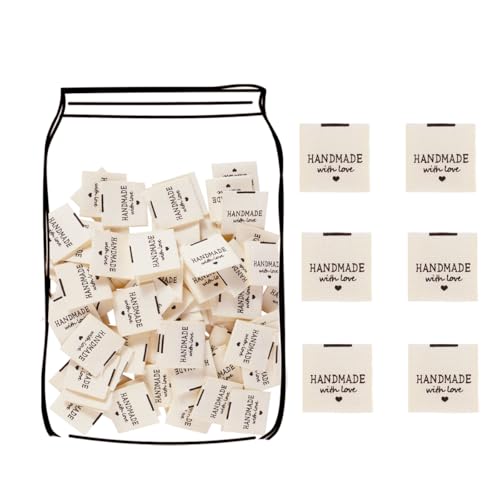
Hem tags are designed to be folded over the edge of a cuff, hem, or neckline. They serve a dual purpose: they act as a branding element and a functional reinforcement for the edge of the knit.
These are particularly great for hats or socks where you want the label to be visible from the outside. They provide a sporty, structured look that signals a high level of craftsmanship.
When attaching these, ensure your stitches catch both sides of the fold. A simple running stitch or a few bar tacks will keep them secure even when the garment is stretched during wear.
Why Labeling Your Handknits Truly Matters
Labeling is not just about vanity; it is about providing the wearer with essential information. A well-placed label can include care instructions, fiber content, or even a simple "Handmade by" note.
It creates a connection between the maker and the recipient that lasts long after the needles are put away. It honors the time you spent choosing the yarn and working the pattern.
Furthermore, a label helps the wearer remember how to wash the item. If you’ve spent forty hours knitting a merino-silk blend, you want to make sure it doesn’t end up in a hot dryer by mistake.
Choosing Between Sew-On and Iron-On Labels
Sew-on labels are the most versatile choice for the vast majority of knitting projects. They are gentle on all fiber types and can be easily removed or replaced if the label becomes worn over time.
Iron-on labels offer speed and ease, but they are a permanent commitment. Once the adhesive is set, it can be difficult to remove without damaging the surrounding yarn.
If you are working with luxury fibers or intricate lace, stick to sewing. The needle-and-thread method is always the safest route for protecting the integrity of your hard-earned stitches.
Best Practices for Attaching Labels to Knits
Always attach your label after the garment has been blocked and dried. If you sew a label on before blocking, the tension of the fabric changing size could cause the label to pucker or pull.
Use a thread that matches the color of your label or the fabric, depending on the look you want. For a professional finish, use a fine sewing thread rather than the yarn you used for the project, as the yarn will be too bulky.
Finally, place your labels in areas that experience the least amount of friction. The back of the neck or the inside of a hem are ideal spots that keep the label secure and comfortable for the long haul.
Taking the time to label your finished objects is the final gesture of respect for your own craft. Whether you choose the rustic charm of leather or the soft elegance of satin, your label serves as a permanent signature on your work. Explore these options, find what matches your personal style, and take pride in your finished handknits. Happy knitting, and may your labels be as beautiful as the stitches they accompany.