7 Best Merino Wool Yarns For Winter Beanies To Try
Stay warm this season with our top 7 merino wool yarn picks. We explore texture, durability, and heat retention to help you craft the perfect winter beanie.
Choosing the right yarn for a winter beanie is the difference between a cherished heirloom and a hat that sits forgotten in your drawer. Merino wool offers the perfect balance of thermal regulation and next-to-skin softness, making it the gold standard for cold-weather accessories. Whether you are a novice knitter or a seasoned pro, the fiber you choose will dictate how your finished project drapes, wears, and holds its shape over the years. This guide explores the best merino options to ensure your next beanie is as functional as it is beautiful.
Malabrigo Rios: Best All-Around Merino Choice
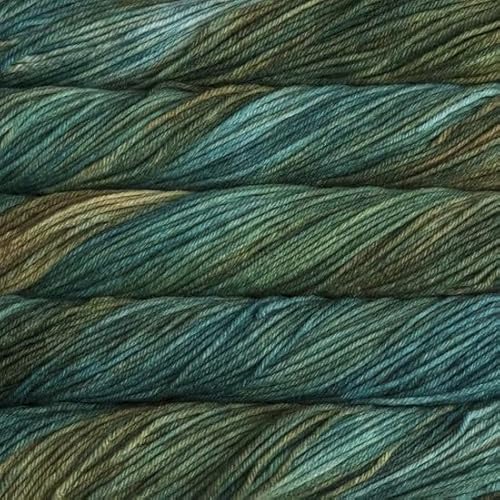

If you want a workhorse yarn that feels like a cloud, Malabrigo Rios is the industry benchmark for a reason. It is a plied, worsted-weight superwash merino that offers incredible stitch definition while remaining soft enough for even the most sensitive foreheads.
The beauty of this yarn lies in its "kettle-dyed" process, which creates subtle tonal shifts rather than harsh, uniform color. Because it is a 4-ply construction, it resists pilling better than many single-ply yarns, making it ideal for a beanie that will see daily wear.
Keep in mind that because it is hand-dyed, no two skeins are identical. If you are knitting a large hat with a folded brim, always alternate skeins every two rows to avoid visible color pooling or sudden shifts in tone.
Madelinetosh Tosh Vintage: Stunning Color Depth
Madelinetosh Tosh Vintage is for the knitter who views a beanie as a canvas for color. This yarn is famous for its saturated, complex hues that seem to glow from within, providing a level of visual depth that mass-produced yarns simply cannot replicate.
The fiber is a smooth, plied merino that behaves beautifully on the needles. It has a slight "squish" factor that makes it a joy to handle during long knitting sessions, and it holds cables and ribbing with crisp, clean lines.
Be aware that this is a premium investment yarn. Because it is highly saturated, I recommend swatching and washing your sample first to check for any potential color bleeding during the initial block, especially with deep reds or purples.
Quince & Co. Lark: The Best American Wool Pick
Quince & Co. Lark is the go-to choice for knitters who prefer a more structured, traditional wool feel. While it is 100% American wool, it retains the softness of merino while offering a slightly more "woolly" grip that makes it incredibly easy to manage for beginners.
The structure of Lark is exceptional for beanies that require a firm, sturdy fabric. It isn’t as slippery as some superwash merinos, which means your stitches will stay exactly where you put them, even if you are working on double-pointed needles.

Because it is a non-superwash yarn, it has a beautiful, matte finish that highlights intricate texture work. It blooms wonderfully after a soak, filling in the gaps between stitches and creating a cohesive, wind-resistant fabric.
Brooklyn Tweed Shelter: Ideal for Texture Work
Brooklyn Tweed Shelter is a woolen-spun yarn, which means the fibers are carded rather than combed, trapping more air and making the yarn incredibly lightweight yet warm. It is the absolute best choice for beanies featuring complex cables or bobbles.
Because it is woolen-spun, it is more delicate than a worsted-spun yarn. You shouldn’t pull too hard on the yarn while knitting, as it can snap; instead, let the yarn glide through your fingers and trust the fiber to do the work.
When you block a hat made of Shelter, it transforms. The fibers expand and lock together, creating a finished object that feels like a professional-grade garment rather than a handmade craft.
Rowan Felted Tweed: Perfect for Colorwork Hats
Rowan Felted Tweed is a unique blend of 50% merino, 25% alpaca, and 25% viscose. It is the undisputed king of stranded colorwork because the slight "halo" from the alpaca fibers helps to grip adjacent stitches, keeping your tension consistent.
The color palette is earthy and sophisticated, designed to be mixed and matched. It is a light DK weight, which makes it perfect for a beanie that provides warmth without adding unnecessary bulk to your head.
Because it is a blend, it doesn’t have the "bouncy" elasticity of pure merino. If you are knitting a hat with a wide brim, you may want to hold a strand of thin elastic thread along with the yarn for the ribbing to ensure it keeps its snap over time.
Cascade 220 Superwash: The Best Value Merino

Cascade 220 Superwash is the reliable friend of the knitting world. It is affordable, widely available, and comes in a massive range of colors, making it the perfect choice for gift-knitting or practicing new techniques.
It is a standard worsted weight that behaves predictably on the needles. If you are a beginner, this is the yarn I recommend; it is smooth, well-plied, and forgiving enough that you can rip back your work without the yarn tangling or fraying.
While it lacks the "luxury" feel of hand-dyed boutique yarns, its durability is unmatched. A beanie made from Cascade 220 will survive the washing machine and years of heavy use, making it a practical choice for everyday winter gear.
Hedgehog Fibres Merino DK: Luxury Hand-Dyed

Hedgehog Fibres is for the knitter who wants to make a statement. Their Merino DK is vibrant, punchy, and often features variegated colorways that turn a simple stockinette beanie into a work of modern art.
This yarn is soft, bouncy, and exceptionally high-quality. It has a high twist, which provides great stitch definition and makes it a joy to work with for textured patterns like moss stitch or seed stitch.
Because these colors are so bold, they can sometimes overwhelm delicate cables. Use this yarn for projects where the color is the star, and keep your stitch patterns relatively simple to let the variegation shine.
Why Merino Wool Is Ideal for Winter Beanies
Merino wool is the gold standard for headwear because of its unique crimp structure. This crimp creates tiny air pockets within the yarn, which act as natural insulators, keeping your head warm in freezing temperatures while remaining breathable enough to prevent overheating.
Unlike coarser wools, merino fibers are much finer, meaning they don’t have the "prickle" factor that causes skin irritation. This is vital for a beanie, as the skin on your forehead is particularly sensitive to texture.
Furthermore, merino is naturally moisture-wicking. Even if you get caught in a light snow shower, the wool will keep you warm while damp, unlike synthetic fibers that can leave you feeling cold and clammy.
Understanding Superwash vs. Non-Superwash Wool
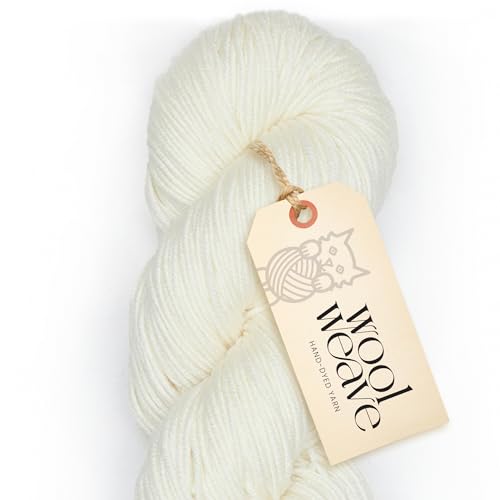
Superwash wool has been treated—usually with an acid bath or a polymer coating—to remove the microscopic scales on the fiber. This makes the yarn machine-washable and prevents it from felting, which is a huge advantage for hats that get dirty frequently.
Non-superwash wool retains these scales, which allows the fibers to "lock" together when agitated in water. This is what we call felting, and it creates a dense, windproof fabric that is excellent for high-performance winter gear.
Choose superwash if you want ease of care and vibrant, consistent colors. Choose non-superwash if you want that traditional, lofty "wool" feel and the ability to create a fabric that will naturally felt slightly over time for extra warmth.
Essential Care Tips for Your Merino Wool Hat
- Hand wash only: Even if the label says superwash, your hat will last years longer if you wash it by hand in cool water with a gentle wool wash.
- Avoid the dryer: Heat is the enemy of wool; always lay your beanie flat to dry on a towel, away from direct sunlight or radiators.
- Store with care: When the season ends, store your hat in a breathable cotton bag with a cedar block to keep moths away.
- Don’t over-wash: Wool is naturally antimicrobial; airing your hat out on a balcony or near an open window is often enough to freshen it up between wears.
Selecting the perfect merino yarn is a balance between your aesthetic goals and the practical demands of winter weather. Whether you prioritize the structure of a non-superwash wool or the convenience of a machine-washable blend, the right fiber will elevate your knitting experience. Take the time to swatch, consider your tension, and choose the texture that brings you the most joy on the needles. Happy knitting, and may your beanies keep you warm all season long.