6 Best Soft Bristles For Needle Bed Crevices
Keep your knitting machine in top shape. We review the 6 best soft brushes to effectively remove lint and debris from delicate needle bed crevices and slots.
A knitting machine is a precision instrument that relies on perfectly aligned needles to create consistent, beautiful fabric. Over time, fiber dust, oil, and metallic debris settle into the needle bed, threatening the smooth movement of your carriage. Keeping these crevices clean is the single most effective way to avoid dropped stitches and jammed needles. These six cleaning tools are the gold standard for maintaining the delicate mechanics of your machine.
Oxo Good Grips Deep Clean Brush Set: Best Overall
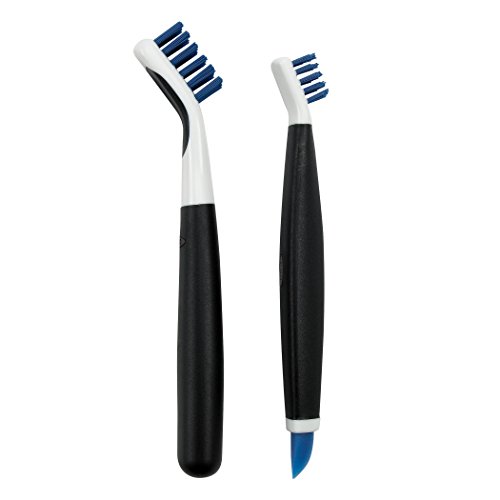

When you are deep into a complex project like a stranded colorwork sweater, the last thing you want is a mechanical jam caused by hidden lint. The Oxo Good Grips set is my go-to recommendation because it offers two distinct brush sizes in one package. The smaller, firmer bristles are perfect for dislodging packed-in fiber, while the larger brush sweeps away the debris without scratching the needle bed.
The ergonomic handle provides a steady grip, which is vital when you are working in the tight, narrow spaces between needles. Unlike cheaper alternatives, these bristles hold their shape over time, ensuring you aren’t leaving stray plastic filaments behind in your machine. It is a reliable, no-nonsense tool that treats your machine with the respect it deserves.
The bottom line is that this set covers the widest range of cleaning needs for the average knitter. It is durable enough to handle a heavy-duty cleaning after a long project, yet gentle enough to use for routine maintenance.
Casabella Cleaning Brush for Tight Crevices

Sometimes, the space between your needles is so cramped that a standard brush simply cannot reach the base of the needle channel. The Casabella brush features a slim, angled profile specifically designed for these high-density areas. It acts like a surgical tool, reaching deep into the channel to pull out stubborn bits of yarn fiber.
I find this tool particularly useful when working with high-shedding fibers like mohair or loosely spun singles. These fibers tend to migrate into the smallest cracks, and the Casabella’s thin design allows you to clear them out without having to remove every single needle. It is an essential addition for anyone who frequently uses "fuzzy" or delicate yarn bases.
However, because the brush is so thin, you must be careful not to apply too much lateral pressure. Use it for sweeping and lifting, not for aggressive scrubbing, to ensure the bristles remain intact.
OXO Good Grips Microfiber Detail Cleaner Tool
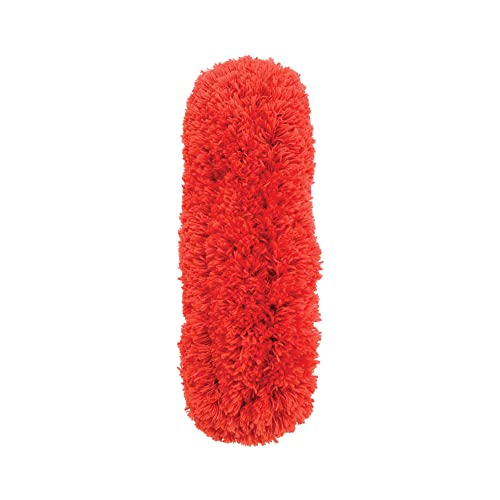
If your needle bed is prone to collecting a mix of oil and dust, a dry brush often isn’t enough to get the job done. The OXO Microfiber Detail Tool is brilliant because it combines a scrubbing tip with a soft microfiber surface to lift away grime. It effectively "wipes" the channel clean rather than just pushing debris around.
This tool is especially helpful for machines that have been sitting in storage for a season. The microfiber captures the fine, oily residue that accumulates over time, preventing it from gumming up the needle hooks. It leaves the metal surface polished and ready for a fresh, light application of machine oil.
Be aware that microfiber can sometimes snag on the sharp edges of needle latches if you aren’t careful. Always work in one direction—away from the hook—to keep the tool from catching and fraying.
Fuller Brush Company Nylon Detail Brush Set

The Fuller Brush Company has been a staple in household maintenance for decades, and their nylon detail set is surprisingly well-suited for knitting machines. The bristles are firm but flexible, making them excellent for sweeping out the "gunk" that builds up near the sponge bar. If you’ve ever struggled to clear debris near the needle retainers, this is your best friend.
These brushes are particularly effective if you are working with synthetic yarns that tend to create static-charged dust. The nylon bristles help neutralize that static, allowing you to sweep the debris out of the bed in one clean motion. They are simple, lightweight, and incredibly durable.
While they lack the specialized ergonomic grips of modern tools, their performance is undeniable. They are a fantastic budget-friendly option for knitters who need a set that can take a beating and keep on cleaning.
Mr. Clean Magic Eraser Cleaning Brush Tool

The Magic Eraser concept is a game-changer for stubborn, caked-on oil and fiber mixtures. This specific brush tool combines a scrubbing head with the cleaning power of melamine foam. It is essentially an eraser for your needle bed, lifting off the dark residue that accumulates after months of heavy use.
I recommend using this tool sparingly, perhaps once every few months during a deep-cleaning session. Because it is slightly abrasive, it excels at removing oxidation or heavy buildup that standard brushes leave behind. It will make your needle bed look—and feel—brand new.
Always follow up with a soft, lint-free cloth to ensure no tiny particles of the foam remain in the bed. If left behind, those particles could interfere with the smooth glide of your needles during your next project.
Rubbermaid Reveal Power Scrubber Detail Tip
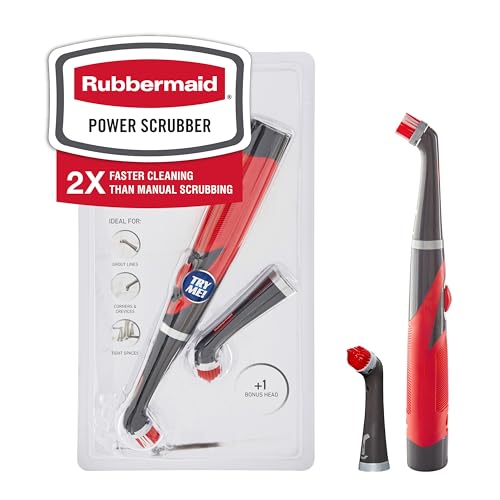
If you have arthritis or find that manual scrubbing causes hand fatigue, the Rubbermaid Power Scrubber is a godsend. Using the detail tip, you can let the tool do the heavy lifting, oscillating at a speed that manual brushing simply cannot match. It is remarkably effective at clearing out the deep channels where fiber tends to pack into a hard mat.
This tool is a luxury, but it is one that pays for itself in time saved and reduced physical strain. It is perfect for those who knit large, complex projects like afghans or heavy sweaters where the machine sees a lot of wear. It turns a tedious chore into a quick, motorized process.
Just remember to start on the lowest setting and move slowly. You want to clear the debris, not damage the delicate needle beds or the needle butts themselves.
Why Needle Bed Maintenance Matters for Knitting
A clean needle bed is the foundation of every successful project, whether you are knitting a simple scarf or a complex lace shawl. When fiber dust and oil mix, they create a sticky paste that increases friction, causing your carriage to drag. This drag often leads to uneven tension, which can ruin the drape of your finished garment.
Beyond tension, debris can cause needles to "stick" in the up or down position. If a needle fails to move correctly, you will inevitably end up with dropped stitches or, worse, a bent needle. Routine maintenance is essentially an insurance policy for your knitting machine.
Think of it like cleaning your sewing machine or sharpening your knitting needles; it is part of the craft. By keeping the bed clear, you ensure that your machine responds to your stitch patterns exactly as intended.
Selecting Bristle Stiffness for Machine Beds
Choosing the right bristle stiffness is a balance between cleaning power and surface protection. For routine, daily cleaning, you should always opt for soft-to-medium nylon bristles. These are flexible enough to reach into the crevices without scratching the precision-machined metal of the bed.
If you are dealing with heavily compacted lint, you might be tempted to reach for a stiff wire brush. I strongly advise against this, as wire can cause microscopic scratches on the metal, which actually attract more dust and fiber over time. Instead, use a firm nylon brush or a plastic detail tool that provides mechanical leverage without the risk of abrasion.
If you are unsure, test the tool on a non-critical part of the machine first. If the bristles leave any marks or if the tool feels too aggressive, scale back to a softer option.
Proper Techniques for Cleaning Between Needles
When cleaning, always work in the direction that the needle moves. Start at the back of the bed and sweep toward the front, pulling the debris out and away from the delicate hook area. This prevents you from pushing fiber deeper into the channel where it can become trapped.
Never use compressed air to "blow out" the bed, as this often forces dust and oil further into the internal mechanical components of the machine. Instead, use your brush to gather the debris into a pile and then use a vacuum attachment or a sticky lint roller to remove it. This method keeps your machine’s internal gears clean and free of debris.
Consistency is more important than intensity. A quick, two-minute brush-down after every project is far more effective than a massive, hour-long cleaning session once a year.
Essential Tools for Maintaining Needle Beds
Beyond the brushes themselves, you need a few complementary items to keep your machine in top shape. A high-quality, lint-free cloth is essential for wiping down the bed after you have brushed out the debris. You should also keep a small bottle of dedicated knitting machine oil on hand for immediate lubrication after cleaning.
I also recommend keeping a pair of fine-tipped tweezers in your kit. Sometimes, a tiny bit of fiber will wrap tightly around the needle butt or latch; tweezers allow you to pluck it out without disturbing the surrounding needles. These small, simple tools are the secret to keeping your machine running for decades.
- Lint-free microfiber cloths for final polishing.
- Precision tweezers for snagged fibers.
- Machine-grade oil for post-cleaning lubrication.
- A small LED flashlight to inspect the channels for hidden debris.
Maintaining your needle bed is a simple habit that yields massive dividends in the quality of your knitting. By choosing the right tools and cleaning with care, you protect your machine and ensure your projects remain consistent and joy-filled. Take these tools, set a cleaning routine, and get back to the craft you love with a machine that works as hard as you do.