7 Best Tactile Grip Enhancers For Slippery Metal Needles
Struggling with slick metal needles? We review 7 top tactile grip enhancers that boost control and comfort, ensuring your precision improves with every stitch.
Metal needles are the gold standard for speed, yet their slick surface often leads to dropped stitches and hand fatigue during long sessions. When your yarn slides off the tip before you’ve even completed the knit stitch, it’s time to intervene with tactile enhancements. These tools offer the control you need without sacrificing the glide that makes metal needles so desirable. Finding the right balance between friction and flow is the secret to mastering complex patterns with ease.
Addi Grip Needle Coating Spray for Smooth Metal


This spray is a unique solution for knitters who love their metal needles but struggle with the "too-slick" factor. It provides a microscopic layer of friction that helps keep stitches in place without turning the needle into a sticky mess.
The beauty of a spray is its even application. Unlike tape or sleeves, it doesn’t create a bulky transition point that might snag your yarn as you move stitches from the needle body to the tip.
However, be warned that this is a semi-permanent solution. Once applied, it requires a gentle cleaning to remove if you decide you want your ultra-slick needles back for a different project.
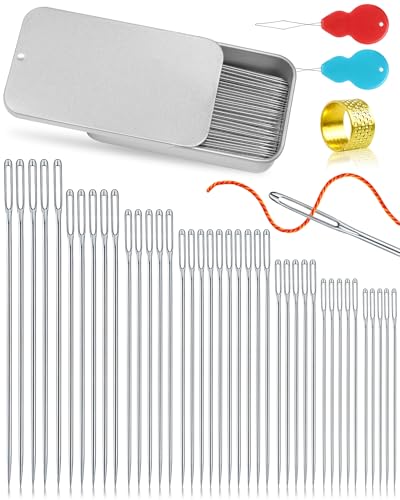
Clover Soft Touch Needle Gripping Wax Sticks

Wax sticks are a classic, low-tech solution that every knitter should keep in their notions bag. You simply rub a tiny amount onto the first inch of your needle to create a "stop" zone for your yarn.
This is particularly helpful when working with slippery fibers like silk or high-twist superwash wool. If you’re knitting a delicate lace shawl and find your stitches constantly wandering off, a quick swipe of wax provides just enough resistance to keep them tethered.
The trade-off is that the wax can eventually build up or attract dust. It’s best used as a temporary fix for specific projects rather than a permanent alteration to your tools.
HiyaHiya Needle Grips for Precision Control

HiyaHiya grips are designed specifically for those who need a tactile anchor for their fingers rather than the yarn. These small, rubberized attachments slide onto the needle shaft to provide a non-slip surface for your grip.
If you suffer from hand fatigue, these are a game-changer. By providing a soft, tacky surface, they allow you to hold your needles with a lighter touch, reducing the tension in your hands and wrists during long knitting marathons.
They are especially useful for double-pointed needles, where grip is often compromised by the lack of a stopper. Just ensure you choose the right diameter to match your needle size for a snug, secure fit.
Susan Bates Handi Tool Grip Enhancing Sleeves

These sleeves are designed for knitters who prefer a more significant tactile change. They provide a textured, rubberized barrier that covers a larger portion of the needle shaft, offering both grip and a slightly ergonomic increase in diameter.
They are excellent for knitters with arthritis or those who find thin metal needles difficult to hold. The added texture provides a tactile "map" for your fingers, ensuring you maintain a consistent hold even when your hands get sweaty.
Because they add bulk, they aren’t ideal for very tight gauge work. Use these when you have a bit of wiggle room in your project’s gauge requirements.
Brittany Birch Needle Point Gripping Cushions
While often associated with wood needles, these small cushions can be adapted for metal tips to provide a soft landing for your index finger. They act as a friction point that prevents the needle from sliding through your fingers unintentionally.
They are perfect for "flicking" knitters who use their index finger to tension the yarn. By resting your finger against the cushion, you gain a stable pivot point that improves both speed and stitch consistency.
They are subtle and don’t interfere with the yarn’s path. If you find yourself constantly adjusting your hold, these cushions offer a simple, non-intrusive way to stabilize your technique.
Boye Ergonomic Needle Tip Texture Enhancers
Boye’s approach focuses on the tip itself, adding a subtle texture that catches the yarn just enough to prevent premature sliding. This is ideal for beginners who are still learning to control their tension.
The texture is fine enough that it doesn’t snag delicate fibers like mohair or alpaca. It acts more like a "speed bump" than a wall, providing a gentle reminder to keep the yarn on the needle until the stitch is fully formed.
These are best for those who find metal needles too fast to manage. They bridge the gap between the speed of metal and the control of bamboo or wood.
KnitPro Mindful Collection Anti-Slip Sleeves

These sleeves are designed with the mindful knitter in mind, focusing on comfort and control. They feature a unique, non-slip material that feels natural to the touch and doesn’t get tacky or sticky over time.
They are incredibly versatile and can be moved from needle to needle as you switch projects. The material is durable and resists the oils from your hands, meaning they stay effective for much longer than wax or sprays.
If you are looking for a long-term investment in your comfort, these are the gold standard. They provide a premium feel that matches the quality of high-end metal needles.
Why Metal Needles Require Extra Tactile Grip
Metal needles are favored for their durability and the speed at which yarn slides across them. However, that lack of friction can be a liability when working with "slinky" yarns like bamboo, silk, or mercerized cotton.
When you knit, your needles should feel like an extension of your hands. If you are fighting the tool to keep the stitches from falling off, you are losing the rhythm that makes knitting a meditative practice.
Adding grip isn’t a sign of poor technique; it’s a sign of a knitter who understands their tools. By modulating the friction, you can tailor your needles to the specific fiber you are using, resulting in a more professional and enjoyable outcome.
How to Apply Grips Without Damaging Finishes
The most important rule when applying grips is to ensure the needle surface is clean and dry. Any residual oil or dust will prevent adhesives or sleeves from seating properly, leading to slippage.
When using sprays or waxes, start with a very small amount. You can always add more, but removing excess material from the needle shaft can be tedious and may require mild detergents that could potentially affect the needle’s plating.
For sleeves and cushions, ensure they are the correct size for your needles. Forcing a sleeve onto a needle that is too thick can stretch the material or, worse, scratch the finish of the metal, creating a rough spot that will snag your yarn forever.
Troubleshooting Slippage During Complex Lace
Lace knitting often involves complex increases and decreases that require multiple stitches to be held on the needle at once. If your needles are too slick, these stitches will fight you every step of the way.
If you find yourself losing stitches during a row, try adding a small amount of grip to the tip area only. This keeps the rest of the needle slick for fast movement while providing a "safety zone" at the point where the actual knitting happens.
Remember that your own tension plays a role. If you are knitting lace, you are likely working at a loose gauge; don’t be afraid to use a slightly smaller needle size in conjunction with a grip enhancer to keep those stitches secure without sacrificing the drape of your lace.
Choosing the right grip enhancer is a personal journey that depends entirely on your knitting style and the project at hand. Don’t be afraid to experiment with different methods until you find the one that makes your hands feel comfortable and your stitches feel secure. Ultimately, the best tool is the one that allows you to stop worrying about your needles and focus entirely on the beauty of the fabric you are creating. Happy knitting, and may your stitches always stay exactly where you want them.