7 Best Notebook Binders For Pattern Collection Reviewed
Organizing your pattern collection? We review the 7 best notebook binders, focusing on durability, ring size, and ease of use to keep your designs accessible.
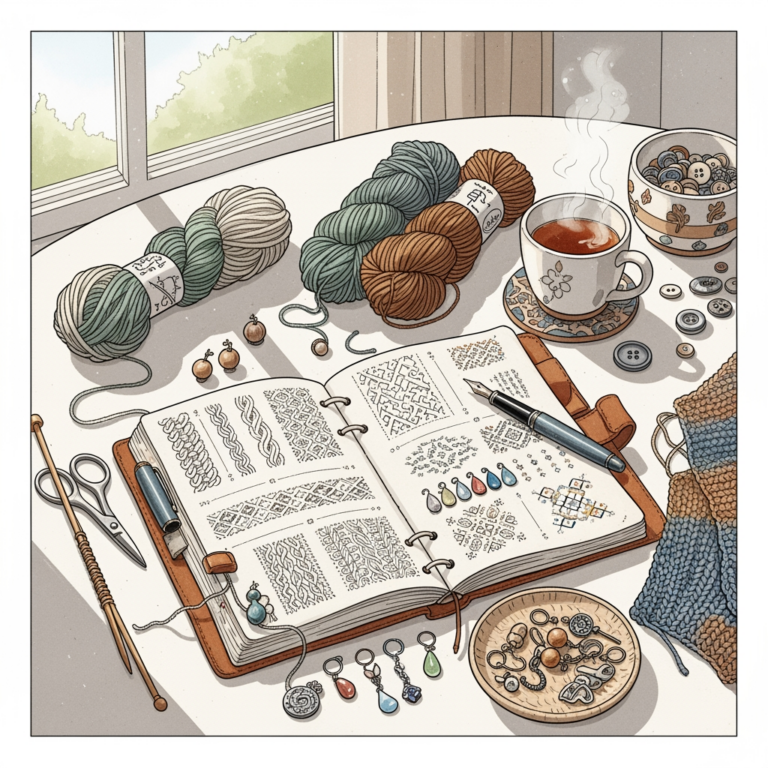
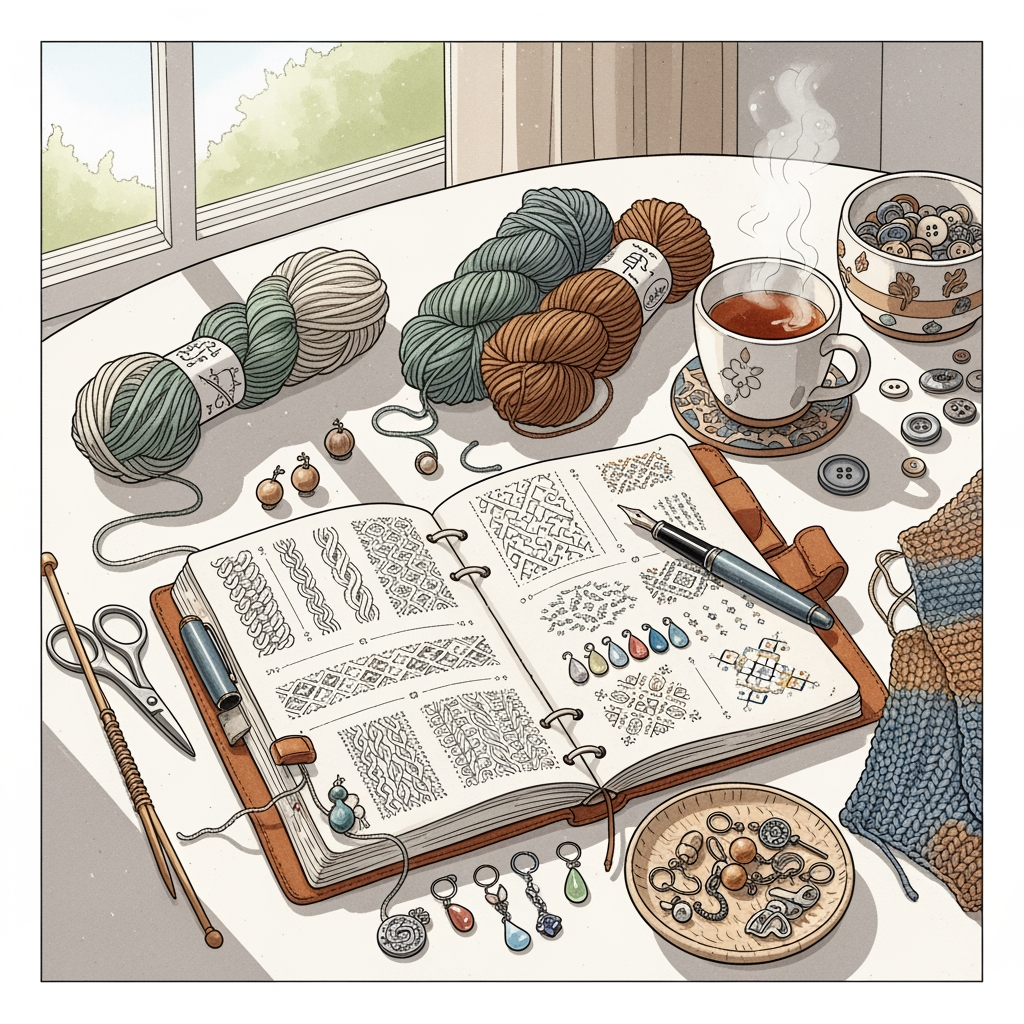
Every knitter eventually faces the "paper mountain" of printed patterns, scribbled notes, and yarn labels that threatens to bury their favorite chair. Organizing these documents is just as vital as choosing the right wool for a sweater, as a misplaced chart can derail even the most seasoned maker’s progress. These seven binders represent the best ways to keep your knitting life tidy, accessible, and protected from the occasional stray cup of tea. Finding the right system means you spend less time hunting for a lost stitch count and more time actually knitting.
Avery Heavy-Duty Binder: Best Overall Choice


The Avery Heavy-Duty Binder is the workhorse of the knitting studio. Its One Touch rings are a game-changer when you are constantly swapping pages between projects or adding new lace charts to a work-in-progress.
Unlike cheaper binders that snag your paper, these rings align perfectly every time. This is vital when you are dealing with delicate, hand-drawn schematics or expensive printed pattern books that you don’t want to tear.
The deep pockets on the inside covers are perfect for stashing your current project’s gauge swatch or a small set of circular needles. It is a reliable, no-nonsense choice for the knitter who wants a permanent home for their growing library.
Kokuyo Campus Binder: Best Slim Design

If you prefer to carry your patterns to your local knitting group, the Kokuyo Campus Binder is a revelation. It is incredibly slim and lightweight, making it feel more like a notebook than a bulky office supply item.
The plastic ring mechanism is flexible and opens smoothly, which keeps the profile low. Because it is so compact, it fits easily into a project bag alongside a skein of fingering weight yarn and a set of double-pointed needles.

However, keep in mind that its capacity is limited. This isn’t the place to store your entire collection, but it is perfect for keeping your active project patterns organized and protected on the go.
Mead Five Star Flex: Best For Portability
The Mead Five Star Flex is designed to be folded back on itself, much like a spiral notebook. This feature is incredibly useful when you are knitting in tight spaces, like a cramped airplane seat or a crowded cafe.
Its cover is durable and water-resistant, which provides a layer of protection against accidental spills. If you are prone to drinking coffee while working on complex cables or stranded colorwork, this binder will keep your instructions dry.
The trade-off here is the unique ring system, which can be slightly less intuitive than standard metal rings. It takes a moment to get used to, but the portability benefits for the traveling knitter are hard to beat.
Leuchtturm1917 Binder: Best Premium Option
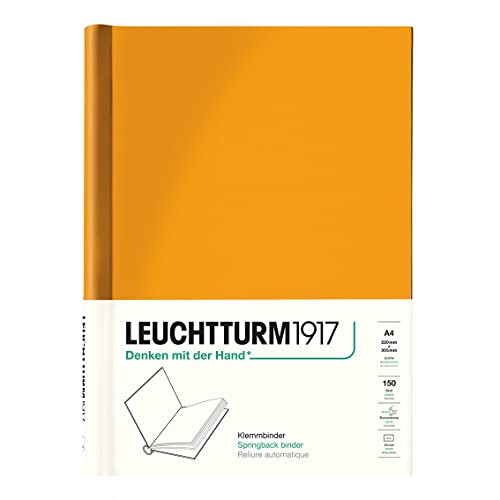
If you treat your knitting as a craft of beauty, the Leuchtturm1917 offers an aesthetic that matches your passion. It features high-quality materials and a sophisticated design that feels more like a personal archive than a utility folder.
The paper quality inside is excellent, and the overall construction is built to last for decades. For the knitter who keeps meticulous journals of their yarn stash, needle sizes, and project modifications, this is the gold standard.
It is definitely a luxury investment, and perhaps overkill for simple dishcloth patterns. But for a "legacy" project—like a complex heirloom lace shawl—this binder provides a beautiful, permanent home for your documentation.
Wilson Jones 3-Ring Binder: Best Budget Pick

Sometimes, you just need a straightforward way to organize your patterns without spending a fortune. The Wilson Jones 3-Ring Binder is the quintessential budget-friendly solution that gets the job done without any fuss.
It is lightweight and functional, serving as a clean slate for your pattern collection. It lacks the bells and whistles of premium binders, but it holds standard sheet protectors perfectly well.
If you are a beginner knitter who is just starting to accumulate patterns, don’t feel pressured to buy the most expensive gear. This binder will keep your pages safe while you save your budget for high-quality wool or specialized needle sets.
Case-it Pro Binder: Best For Pattern Storage

The Case-it Pro is built for the knitter who treats their pattern collection like a reference library. It features a large capacity and a zippered closure that keeps everything secure, even if you toss your bag around.
The interior is spacious enough to hold large-format pattern books and bulky folders. If you have a habit of printing out entire pattern collections or storing multiple projects in one place, this is your best bet.
It is quite bulky, so it isn’t ideal for carrying in a small project bag. Think of this as your "home base" binder that stays on your desk, keeping your entire collection organized and dust-free.
Samsill Earth Choice: Best Eco-Friendly Pick
For the knitter who considers the environmental impact of their materials, the Samsill Earth Choice is a thoughtful choice. It is made from recycled materials, which aligns well with the ethos of many natural-fiber enthusiasts.
It performs just as well as any standard binder, with a sturdy construction that holds up to daily use. It is a small way to ensure your organizational habits reflect your values regarding sustainability and waste reduction.
While it doesn’t have the premium feel of a leather binder, its performance is consistent. It is a solid, responsible choice for any knitter looking to minimize their environmental footprint while keeping their charts in order.
Key Features To Look For In Pattern Binders
When selecting a binder, prioritize a durable ring mechanism that won’t snag your paper. If the rings don’t close perfectly, you will eventually tear the holes in your patterns, which is a frustrating experience.
Consider the capacity based on how you store your patterns. If you use thick sheet protectors for every page, you will need a binder with a wider spine to prevent the binder from bowing or popping open.
Look for internal pockets, as these are perfect for storing small items like stitch markers, cable needles, or a tape measure. Having these tools attached to your pattern binder ensures you are never searching for a tool when you reach a critical turning point in your project.
Protecting Your Patterns With Sheet Protectors
Sheet protectors are non-negotiable for any knitter who works with printed charts. They allow you to use dry-erase markers to track your rows without ever marking up the original paper.
Always opt for non-glare or matte-finish protectors if possible. Under bright task lighting, shiny plastic can create a glare that makes it difficult to read small stitch symbols or complex lace repeats.
If you are working on a long-term project, keep your gauge swatch and a small snippet of the yarn in the same protector as the pattern. This serves as a perfect reference for future projects or if you need to match a dye lot later.
Organizing Your Knitting Projects Efficiently
Organize your binders by project type—such as "Socks," "Sweaters," or "Lace"—to make finding what you need effortless. Use tabbed dividers to separate individual patterns so you aren’t flipping through pages unnecessarily.
If you are a prolific knitter, keep a "Project Sheet" at the front of each binder. This should list the yarn used, the needle size, the date started, and any modifications you made to the pattern for fit.
Don’t be afraid to clear out your binders annually. If you haven’t knit from a pattern in five years and it no longer sparks your creativity, consider recycling the paper to make room for new designs that truly excite you.
Organizing your pattern collection is a rewarding ritual that transforms a chaotic stack of paper into a curated library of your creative history. Whether you choose a slim, portable binder for your on-the-go knitting or a heavy-duty option for your permanent home collection, the goal is to reduce friction in your process. By protecting your charts and keeping your notes tidy, you clear the mental space needed to focus on the rhythm of your needles. May your stitches be even, your tension consistent, and your patterns always exactly where you need them to be.