6 Best Yarn Winders For Hand-Cranked Backups
Keep your yarn stash organized with these 6 top-rated hand-cranked winders. Discover durable, efficient tools perfect for reliable, manual fiber management.
Every knitter eventually faces the dreaded "yarn barf" that happens when a center-pull skein collapses mid-project. A reliable hand-cranked yarn winder transforms those tangled messes into neat, professional-looking cakes that sit flat and pull from the center without snagging. While electric models exist, a manual winder offers tactile control and portability that no motorized unit can match. Investing in the right tool ensures your precious hand-dyed wool or delicate lace-weight silk remains in pristine condition for your next cast-on.
Stanwood Needlecraft Large Metal Yarn Winder


The Stanwood Large Metal Winder is the workhorse of the fiber arts community for a reason. Its heavy-duty metal gears provide a level of durability that plastic models simply cannot replicate, especially when you are winding heavy worsted or bulky yarns.
If you frequently work with large 400-gram cones of mill-end yarn, this is the tool that won’t buckle under the pressure. The metal construction ensures that the internal components don’t strip over time, which is a common failure point in cheaper alternatives.
The trade-off here is the initial cost and the physical footprint. It requires a sturdy table edge to clamp onto securely, but once it is locked in, it creates a rock-solid foundation for your winding sessions.
KnitPicks Ball Winder: Best Budget Option
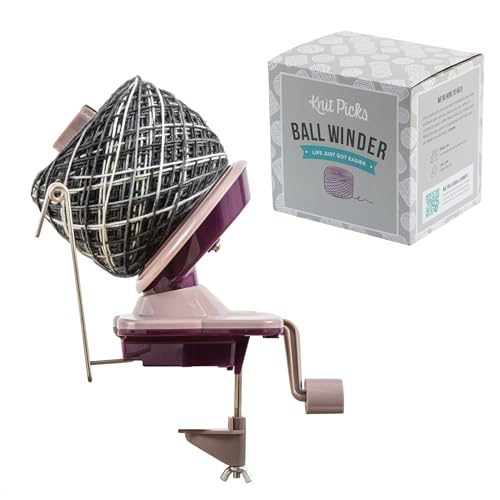
If you are just starting your stash-building journey, the KnitPicks winder is the quintessential entry-level choice. It is lightweight, intuitive, and gets the job done for standard-sized skeins of fingering or DK weight yarn.
This winder is perfect for the knitter who only winds yarn occasionally or lives in a small space where storage is at a premium. It is compact enough to toss into a project bag, making it a great companion for knitting retreats or guild meetings.
Be aware that because it is constructed largely of plastic, it isn’t designed for heavy, continuous industrial-style use. If you try to force a massive, thick skein through the tension guide, you will likely feel the gears straining, so keep your cakes to a moderate size.
Nancy’s Knit Knacks Heavy Duty Yarn Winder
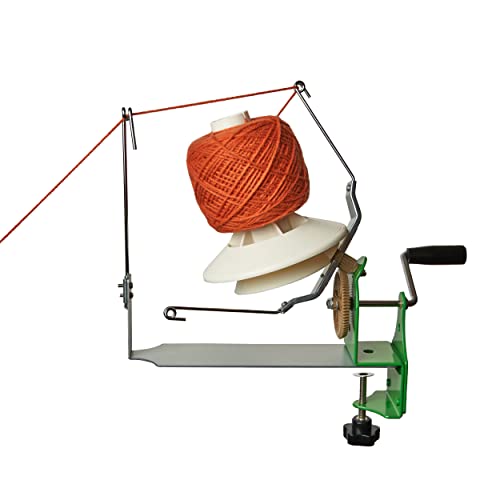
Nancy’s Knit Knacks has built a reputation on high-quality tools that solve specific, annoying problems for knitters. This heavy-duty winder is essentially the "pro-sumer" choice, bridging the gap between hobbyist plastic tools and expensive industrial equipment.
What sets this apart is the precision of the mechanics and the thoughtful design of the tension arm. It handles a wide range of yarn weights, from delicate cobweb lace to rustic, sticky wools, with a consistent tension that prevents the yarn from stretching or losing its loft.
If you are a serious knitter who invests in expensive hand-dyed fibers, you want a winder that treats the yarn gently. This model minimizes the friction that can lead to pilling or fiber breakage before the yarn even touches your needles.
Lacis Wooden Yarn Winder: Best Premium Tool

The Lacis Wooden Winder is a piece of functional art that feels like an heirloom tool. If you appreciate the aesthetic of natural materials and want a winder that doesn’t look like a piece of plastic office equipment, this is your winner.
Beyond the beauty, the wooden construction offers a smooth operation that is incredibly satisfying to crank. It is surprisingly quiet, which is a major bonus if you like to wind yarn while listening to audiobooks or watching movies without the rhythmic clicking of plastic gears.
Because it is made of wood, you should treat it with the same care you would give your favorite wooden needles. Keep it away from extreme humidity and ensure the gears remain clean to maintain that smooth, premium feel for years to come.
U-nitt Hand-Operated Yarn Winder Review
The U-nitt winder is a reliable, mid-range contender that offers a great balance of performance and price. It features a design that feels sturdier than the ultra-budget options but remains accessible to the average hobbyist.
One feature that stands out is the ease of assembly and the stability of the clamp. A winder that wobbles while you crank is a recipe for uneven tension, and the U-nitt generally stays put on most standard table thicknesses.
This is a solid choice if you are upgrading from a basic plastic winder but aren’t ready to invest in a heavy-duty metal or wooden model. It handles typical sock yarn and worsted weight wool with ease, making it a dependable staple for your knitting nook.
ChiaoGoo Hand-Operated Yarn Winder Choice
ChiaoGoo is a brand synonymous with quality knitting needles, and their winder carries that same reputation for precision. It is designed with the knitter’s experience in mind, focusing on smooth gear transitions and a user-friendly tension guide.
This winder is particularly good for those who struggle with "yarn barf" when pulling from the center of a cake. The way it lays the yarn down creates a structure that stays intact even as you reach the very end of the ball.
Like all hand-cranked tools, it works best when you maintain a steady, moderate pace. Avoid the temptation to race through your winding; a consistent, rhythmic speed will always result in a better-shaped cake that won’t collapse.
Key Features to Consider When Buying Winders
When shopping for a winder, the first thing to look at is the maximum yarn capacity. If you frequently buy 100g or 200g hanks, ensure the winder can accommodate that volume without the cake rubbing against the tension arm.
- Gear Material: Metal gears offer longevity, while plastic is fine for occasional use.
- Clamp Strength: A weak clamp will make winding a chore; look for wide, rubberized grips.
- Tension Guide: A smooth, adjustable guide is essential for keeping your yarn from tangling.
- Portability: Consider if you need to store it away or if it will have a permanent spot on your table.
Don’t overlook the importance of the base stability. If the winder vibrates too much, the yarn will feed unevenly, which can lead to tension issues in your actual knitting project.
How to Properly Set Up Your Hand-Crank Winder
Setting up your winder starts with finding a flat, stable surface. Secure the clamp firmly, but be careful not to overtighten it if you are working on a delicate wooden table, as you don’t want to leave permanent marks.
Before you start, ensure your yarn is properly prepared in a swift. Trying to wind directly from a twisted hank without a swift is a guaranteed way to create a tangled mess that will take hours to fix.
Feed the yarn end through the guide and attach it to the notch on the winder spindle. Begin cranking slowly to ensure the first few rounds are even; once you have a base, you can increase your speed to a comfortable, steady pace.
Troubleshooting Common Yarn Winder Issues
If your yarn is constantly slipping off the spindle, check your tension guide. Often, the yarn is being fed too loosely, or the angle of the guide is fighting against the rotation of the winder.
If you hear a grinding noise, stop immediately. Check for stray bits of fiber caught in the gears; even a small amount of lint can disrupt the mechanism and cause the gears to skip or lock up.
For cakes that come out lopsided, ensure your winder is perfectly level. Sometimes, a slight shift in the clamp can cause the yarn to stack unevenly on one side, leading to a wobbly cake that won’t sit still while you knit.
Essential Tips for Maintaining Your Winder
A little maintenance goes a long way in extending the life of your winder. Periodically check the screws and bolts to ensure they haven’t loosened from the vibration of regular use.
If your winder has exposed metal gears, a tiny drop of sewing machine oil can keep them running smoothly. Avoid using heavy greases, which can attract dust and lint, eventually turning into a sticky paste that slows the machine down.
When you aren’t using your winder, store it in a dust-free area or cover it with a cloth. Keeping the mechanism clean is the single most effective way to ensure it performs perfectly every time you need to wind a new skein.
Choosing the right yarn winder is a balance between your project volume, your budget, and your storage space. Whether you opt for a heavy-duty metal model or a simple plastic tool, the goal is to make your knitting process more enjoyable and less prone to tangles. Once you experience the ease of working from a perfectly wound cake, you will wonder how you ever managed without one. Take care of your tool, keep your tension steady, and enjoy the meditative rhythm of turning hanks into beautiful, usable cakes.