6 Best Wool Wash Soaps For Cleaning Finished Yarn
Keep your finished yarn soft and clean. We explore the 6 best wool wash soaps that preserve fiber integrity and ensure your handmade projects last for years.
After spending hundreds of hours perfecting the tension on a complex lace shawl or a dense colorwork sweater, the final wash is the most critical step in your creative process. Many knitters fear the "wet block," yet choosing the right soap is the single best way to ensure your hard work retains its shape and softness for years. Using the wrong detergent can strip essential oils or leave behind harsh residues that ruin the hand of your fiber. Here is how to navigate the best wool washes on the market to protect your investment.
Eucalan Delicate Wash: The Best No-Rinse Option


Eucalan is a staple in my knitting bag because it simplifies the blocking process immensely. Its no-rinse formula means you don’t have to agitate the fibers by repeatedly dunking them in water, which is the primary cause of accidental felting.
If you have ever spent weeks knitting a delicate mohair-silk blend, you know that every extra touch increases the risk of tangling or stretching. Eucalan is pH neutral and contains essential oils like eucalyptus or lavender, which naturally deter moths.
The tradeoff here is that some knitters find the scent to be quite potent. If you are sensitive to fragrance, opt for the unscented version to ensure your garment smells like clean fiber rather than a botanical garden.
Soak Wash: The Top Choice for Fragrant Cleaning
Soak is the modern knitter’s favorite for a reason: it is incredibly gentle and comes in a variety of sophisticated, light scents. Like Eucalan, it is a no-rinse product, making it ideal for blocking large items like blankets or heavy sweaters where rinsing would be a physical chore.
I often recommend Soak to those who are gifting their finished pieces. The subtle, clean fragrance adds a professional, boutique-like finish that makes a handmade garment feel truly luxurious to the recipient.
However, keep in mind that because it is designed to be left in the fiber, it is not a heavy-duty cleaner. It is best used for regular maintenance and light refreshes rather than removing deep-set stains or heavy grime.
Kookaburra Wool Wash: Best for Sensitive Skin
Kookaburra is a unique, tea tree oil-based wash that is excellent for those with skin sensitivities. Tea tree oil is naturally antimicrobial and antifungal, which helps keep your wool hygienic without the use of harsh synthetic chemicals.
This is my go-to recommendation for baby items or garments worn directly against the skin, such as camisoles or neck cowls. If you are prone to contact dermatitis, the natural properties of this wash provide peace of mind.
The downside is that it has a very distinct, medicinal scent that lingers slightly. If you prefer your sweaters to smell like "nothing," this might not be the right fit for your stash.
Unicorn Fibre Wash: Best for Deep Fiber Cleaning
Unicorn Fibre Wash is a powerhouse when it comes to cleaning raw fleece or heavily soiled vintage finds. It is highly concentrated and formulated to lift dirt and grease more effectively than standard delicate washes.
If you are working with hand-spun yarn that still contains a bit of spinning oil or "grease," this is the product you want. It cleans thoroughly while still being safe for protein fibers like wool, alpaca, and mohair.
Be careful with the dosage, though. Because it is so concentrated, it is easy to use too much, which can make the rinsing process longer than necessary. Always start with less than you think you need.
The Laundress Wool & Cashmere: Best Luxury Pick
When you have invested in high-end fibers like cashmere, vicuña, or fine merino, you want a specialized cleaner. The Laundress provides a sophisticated, cedar-scented wash that feels like a treat for your most precious garments.
This wash is excellent at maintaining the "loft" of luxury fibers. It keeps the fibers soft and prevents that slightly matted look that can happen to cashmere after a few seasons of wear.
The primary tradeoff is the price point; it is significantly more expensive than other options. I suggest reserving this specifically for your "heirloom" projects rather than everyday wool socks.
Twig & Horn Wool Soap: Best Sustainable Choice
Twig & Horn focuses on natural ingredients and minimalist packaging, making it a favorite for the environmentally conscious knitter. It uses lanolin as a key ingredient, which helps replenish the wool’s natural protective barrier.
This is particularly useful for wools that have been processed or over-washed, as it restores the "bouncy" feel of the fiber. It is a great middle-ground product—effective enough for cleaning but gentle enough for daily use.
Because it contains added lanolin, it is very effective at keeping wool water-resistant. If you are knitting traditional ganseys or outdoor hiking socks, this soap will help maintain the fiber’s natural performance characteristics.
Why You Should Never Use Regular Laundry Detergent
Standard laundry detergents are formulated with enzymes designed to break down proteins, such as food stains or body oils. Because wool is a protein fiber, these detergents will literally begin to digest your knitting.
Using regular Tide or similar soaps will lead to:
- Fiber brittleness: Your yarn will lose its elasticity and snap easily.
- Loss of sheen: The natural luster of the wool will turn dull and chalky.
- Irreversible damage: Once the protein structure is compromised, no amount of conditioning can fix it.
Always check the label for "enzymatic" or "bio" ingredients. If you see them, keep that bottle far away from your knitting basket.
How to Properly Soak and Block Your Wool Projects
Blocking is the act of setting your stitches to their final shape. Start by filling a basin with lukewarm water and a small amount of your chosen wool wash, then gently submerge your garment without wringing or twisting it.
- Let it soak for 15–20 minutes to allow the water to penetrate the fibers.
- Gently squeeze out the excess water—never wring, as this can distort the shape.
- Roll the garment in a thick, dry towel and step on it to remove remaining moisture.
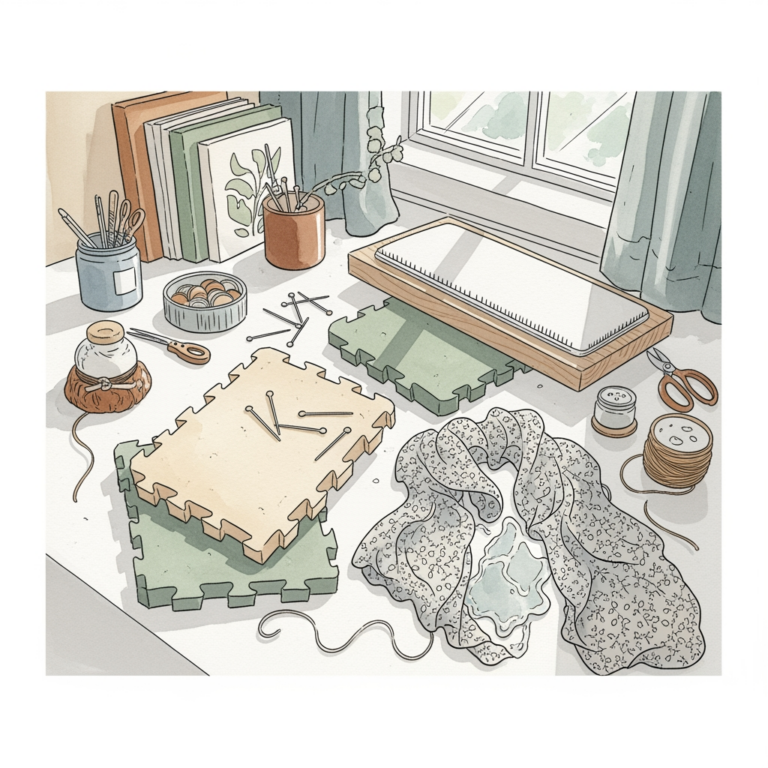
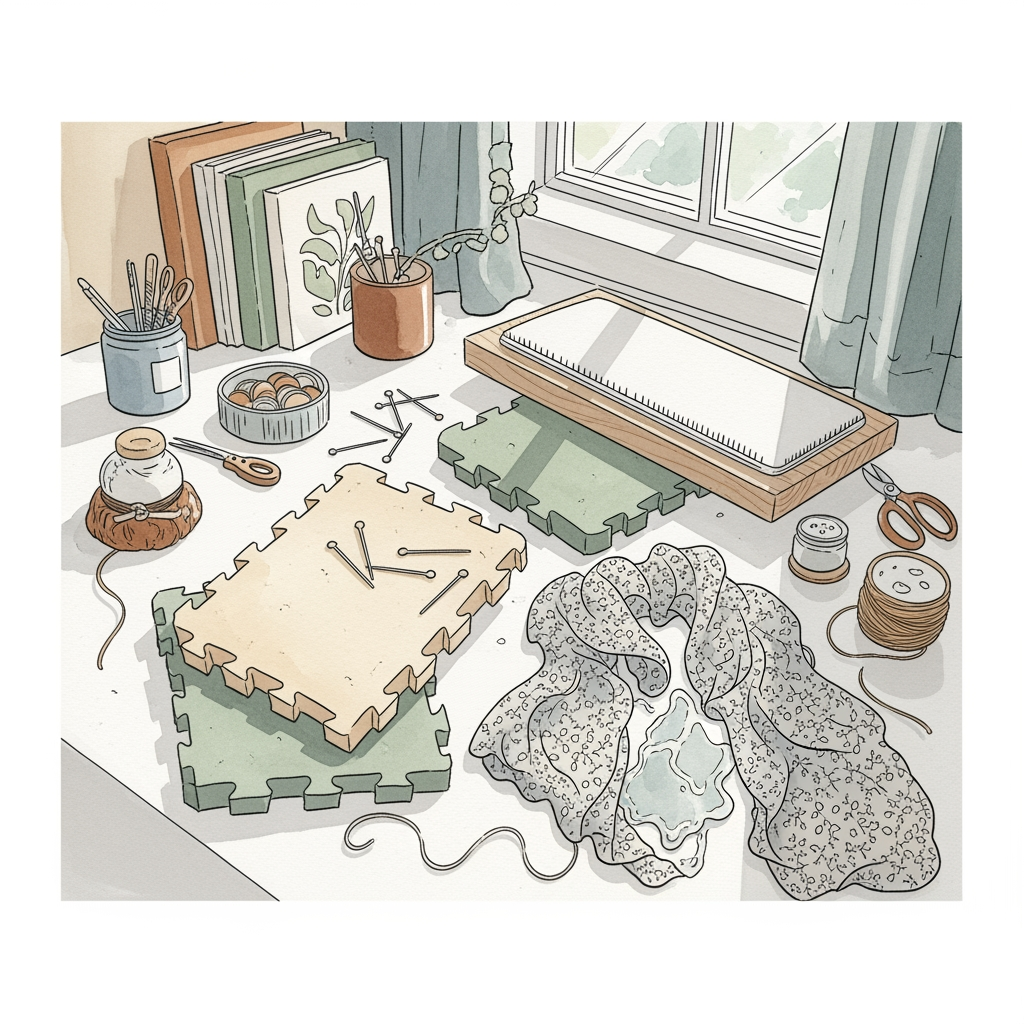
- Lay the piece flat on a blocking mat, using pins to gently nudge the stitches into their intended dimensions.
Patience is your best tool here. Let the garment dry completely in a shaded area, as direct sunlight can fade dyed yarns and make fibers brittle.
Understanding Lanolin and Its Role in Wool Care
Lanolin is the natural wax secreted by sheep to keep their wool waterproof and healthy. Many commercial wool washes include extra lanolin to mimic this natural state, which is vital for the longevity of your hand-knits.
If you are knitting items that need to be moisture-wicking or water-repellent, like mittens or winter hats, using a lanolin-rich soap is a functional decision. It acts as a conditioner, keeping the fibers supple and resistant to breakage.
However, be aware that too much lanolin can attract dust if not rinsed properly. If you notice your garment feeling "tacky" or attracting lint, you may have used too much product or not rinsed it thoroughly enough.
Essential Tips for Storing Hand-Knitted Garments
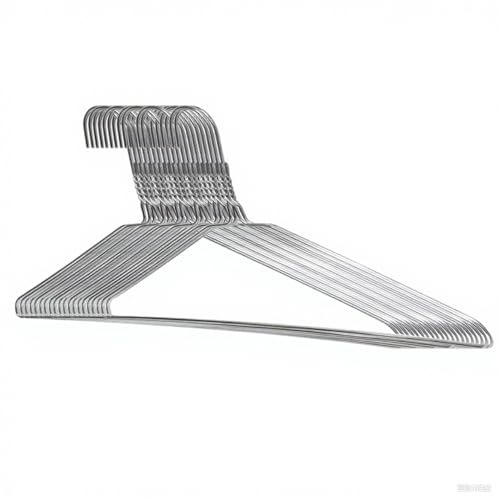
Storage is where most knitters lose their projects to moths or misshapen shoulders. Never hang heavy sweaters on wire hangers, as the weight will cause the shoulders to stretch into unsightly "points."
- Wash before storing: Always clean your items before putting them away for the season, as perfume, skin oils, and food particles attract pests.
- Use cedar or lavender: These are natural repellents that keep moths at bay without the harsh smell of chemical mothballs.
- Fold flat: Stacking your sweaters in a drawer or on a shelf ensures they keep their shape.
- Breathable bags: If you must use bags for long-term storage, choose cotton or linen rather than plastic, which can trap moisture and encourage mold.
Caring for your hand-knitted items is an extension of the craft itself, ensuring your effort remains a treasure for years to come. By choosing a high-quality wool wash and practicing gentle blocking techniques, you preserve the unique character of every stitch. Remember that your yarn is a living fiber, and treating it with respect is the final, most important step in the knitting journey. Happy knitting, and may your finished pieces always stay as soft as the day you cast them off.