6 Best Blocking Pins For Stretching Finished Items
Achieve professional results with our top 6 blocking pins. Discover the best tools to shape and secure your finished knits for a perfect, polished finish.
Every knitter knows the heartbreak of finishing a beautiful sweater, only to have it look slightly lopsided or uneven before it hits the blocking board. Blocking is the final, transformative step that evens out your stitches and gives your fabric a professional drape. Choosing the right pins can make the difference between a relaxing finish and a frustrating battle with your yarn. This guide breaks down the best tools to ensure your hard work gets the polished presentation it deserves.
Knitter’s Pride Knit Blockers: Best Overall Pick


These are not your standard sewing pins; they are essentially mini-rakes that allow you to secure long, straight edges in a single motion. By anchoring multiple stitches at once, they ensure a perfectly consistent tension along the entire perimeter of a garment.
They are particularly effective for large, rectangular shawls or the straight side seams of a cardigan. Because they cover more ground, you spend significantly less time fussing with individual pin placement.
However, they can be overkill for intricate, curved lace edges where you need to manipulate every single picot. If your project has complex geometry, you might find these too rigid for the job.
Clover T-Pins: The Classic Budget-Friendly Choice

If you have spent any time in a local yarn store, you have likely seen these in a little plastic box. They are the workhorse of the knitting world, offering a reliable, no-nonsense way to pin down almost any project.
The "T" shape is a functional masterpiece, providing a wide bar that is easy to grip even if your hands are tired after a long casting-off session. They stay put in foam mats and provide enough tension to hold down even heavier wool blends.
Be aware that these are typically nickel-plated steel. If you are working with light-colored, delicate lace, always ensure they are dry to avoid the risk of rust transferring to your fibers.
Cocoknits Stainless Steel Pins: Rust-Proof Quality
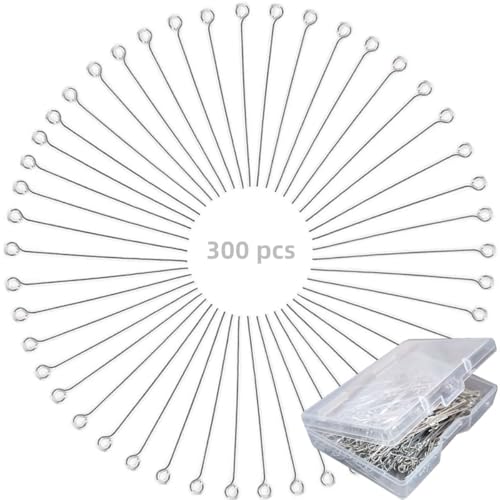
Rust is the enemy of every knitter, especially when working with expensive silk or light-colored mohair. These stainless steel pins are a premium investment designed to eliminate the fear of oxidation entirely.
Because they are made of high-quality steel, they are incredibly durable and won’t bend under the pressure of a thick, damp wool sweater. They slide into blocking mats with minimal resistance, which is a blessing for your fingers.
The tradeoff here is price, as they are significantly more expensive than standard hardware-store pins. For most, this is a "buy once, cry once" situation that pays off over years of use.
Boye Plastic T-Pins: Gentle on Delicate Fibers

Sometimes, the sharp tip of a metal pin can accidentally split a strand of yarn, especially when working with loose, single-ply fibers. Plastic pins offer a slightly more forgiving, rounded profile that glides between stitches rather than piercing them.
These are an excellent choice for beginners who are still learning how to handle their tension while pinning. They are lightweight and won’t weigh down your blocking mat, even when you have dozens of them in play.
The downside is that they are thicker than metal pins, meaning they can leave temporary gaps in your fabric. They are best reserved for projects where you need a gentle touch rather than extreme precision.
Beadsmith Extra-Long Pins: For Thick Lace Edges
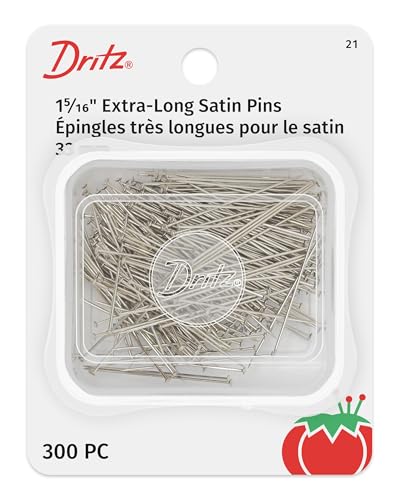
When you are blocking a massive, heavy lace shawl, you often find yourself needing to pin through multiple layers of fabric. Standard pins are often too short to reach the mat securely, leading to them popping out mid-dry.
These extra-long pins provide the necessary leverage to anchor deep into your blocking surface. They are essentially the "heavy-duty" option for when your project has a lot of bulk or complex, multi-layered points.
Because they are longer, they are also more prone to bending if you aren’t careful with your storage. Treat these like specialized tools and keep them in a dedicated case to maintain their straightness.
Dritz Quilting T-Pins: Best for Heavy Projects

Quilters know a thing about tension, and these pins are designed to hold heavy layers of fabric in place for hours on end. In the knitting world, they are the go-to for heavy-gauge sweaters or blankets that require serious anchoring.
They are generally thicker and stronger than standard knitting pins, making them perfect for "aggressive" blocking. If you need to stretch a wool sweater significantly to open up the stitches, these will not buckle under the tension.
Just keep in mind that their thickness is a double-edged sword. Avoid using them on fine-gauge lace, as they will leave noticeable holes in the delicate fabric that may not fully close after the item dries.
Why Blocking Pins Are Essential for Your Projects
Blocking is the bridge between a handmade item and a professional garment. It relaxes the yarn, allows the stitches to settle into their final position, and corrects any minor tension inconsistencies from your knitting.
Without pins, your project will simply dry in its "off-the-needles" state. This often means curled edges on stockinette, uneven cables, and lace patterns that look like a tangled mess rather than an open, airy design.
Pins provide the structure needed to force the fabric into the desired shape. They hold the tension steady while the fibers dry, "setting" the stitch memory in place for the life of the garment.
How to Choose the Right Blocking Pin for Your Yarn
The choice of pin should always be dictated by the fiber content and the weight of your project. For delicate, light-colored yarns, always prioritize rust-proof materials like stainless steel.
For heavy, dense wools, prioritize the thickness and strength of the pin to ensure it stays in the mat. If you are working with slippery synthetics or silk, look for pins with a bit of texture or a slightly longer shank to prevent them from sliding out.
- Superwash Wool: Needs firm pinning as it tends to grow when wet.
- Lace/Mohair: Needs gentle, thin pins to avoid damaging the fibers.
- Heavy Cables: Needs sturdy T-pins to handle the weight and tension.
Essential Tips for Safe and Effective Blocking
Always ensure your blocking surface is clean and level before you begin. If you are blocking on a carpet or a bed, place a waterproof layer down first to protect your furniture from moisture.
When pinning, start from the center of your item and work your way out toward the edges. This helps ensure that the fabric is balanced and prevents you from accidentally stretching one side more than the other.
Never "over-stretch" your knitting, as this can permanently damage the elasticity of the yarn. You want to guide the fabric into its intended shape, not force it into a size it wasn’t meant to be.
Troubleshooting Common Blocking Pin Mistakes
The most common mistake is using too few pins, which leads to "scalloping" or wavy edges. If you see the fabric pulling between pins, add more to distribute the tension more evenly.
Another issue is the "rust ring," which happens when cheap pins are left in damp wool for too long. If you are blocking a large, heavy item that will take days to dry, check your pins periodically to ensure they aren’t oxidizing.
Finally, don’t forget to remove the pins only when the item is completely bone-dry. If you pull them out while the yarn is still damp, the weight of the fabric can cause it to sag or lose the shape you just worked so hard to create.
Investing in a good set of blocking pins is a small expense that yields massive rewards for the longevity and beauty of your knitwear. By matching the right tool to your specific fiber and project weight, you ensure your finished pieces look as professional as they feel. Take the time to pin carefully, and your projects will reward you with a perfect, polished finish every single time. Happy knitting, and may your edges always be straight.