6 Best Leather Scraps For Custom Backing Options
Discover the 6 best leather scraps for custom backing. Learn how to select durable, versatile materials to enhance your leatherwork projects with ease.
Adding a leather backing to your knitwear transforms a simple handmade garment into a structured, heirloom-quality piece. Whether you are reinforcing a heavy wool cardigan or adding a professional finish to a bag, the choice of leather scrap is paramount. These six options offer the best balance of durability, aesthetics, and ease of application for the discerning fiber artist. Selecting the right hide ensures your hard-earned knitting remains protected while elevating the overall design.
Horween Chromexcel: The Gold Standard for Backing


When you need a backing that feels as luxurious as your finest hand-dyed cashmere, Horween Chromexcel is the industry benchmark. This leather is infused with oils and waxes during the tanning process, creating a pull-up effect that develops a beautiful patina over time.
For a knitter, this means the leather will move and flex with your stitches rather than fighting against them. It is incredibly soft, meaning it won’t create a stiff, board-like feel on the back of a flexible shawl or sweater.
However, be mindful that the high oil content can sometimes transfer to lighter-colored yarns if not properly sealed or handled. Always test a small scrap against your chosen fiber to ensure no color migration occurs before committing to the full backing.
Wickett & Craig Bridle Leather for Sturdy Finishes
If you are crafting a project that requires structural integrity, such as a structured tote bag or a heavy-duty coat yoke, reach for Bridle leather. This leather is tanned to be firm, smooth, and incredibly consistent in thickness.
Unlike softer hides, Bridle leather holds a crisp edge, which is essential if you are doing exposed topstitching. It provides a clean, professional frame that makes your knitting look like it came straight from a high-end boutique.
The tradeoff here is weight; this is not the leather for a delicate lace scarf. Use it when you want your knitwear to hold a specific shape and withstand years of heavy, daily use.
Veg-Tan Tooling Sides: Best for Custom Embossing

Vegetable-tanned leather is the blank canvas of the hide world, making it the perfect choice for knitters who want to personalize their work. Because it lacks the heavy oils of chrome-tanned leathers, it accepts stamps, dyes, and even hand-tooled designs with ease.
If you are making a custom label or a reinforced elbow patch, you can wet-mold this leather to fit the natural curves of your knitting. It dries rigid, providing an excellent protective barrier for high-friction areas like elbows or cuffs.
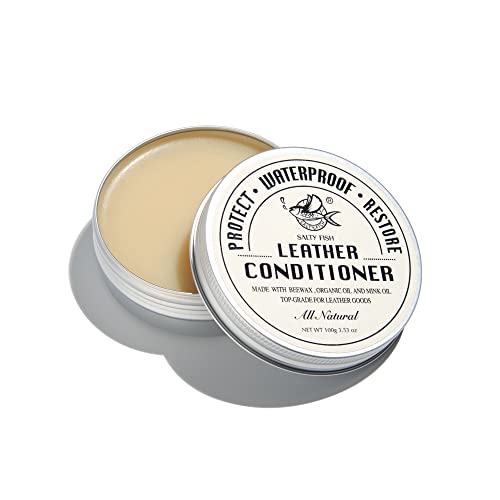
Keep in mind that veg-tan is naturally stiffer and can dry out over time if not conditioned. Treat it with a quality leather balm after installation to keep the fibers supple and prevent the leather from cracking against your yarn.
Pendleton Latigo Leather for Durable Knit Backing

Latigo leather is a hybrid, combining the strength of vegetable tanning with the flexibility of chrome tanning. This makes it a workhorse material, ideal for backing items that will see rugged outdoor use, such as hiking sweaters or winter accessories.
It is remarkably resistant to the elements, meaning it won’t warp or shrink when exposed to moisture—a common risk for natural wool fibers. It provides a rugged, matte finish that pairs perfectly with rustic, woolen-spun yarns.
Because of its thickness, you will need to be diligent about your punch spacing when preparing the leather for stitching. Use a diamond-shaped stitching chisel to ensure your needle passes through cleanly without tearing the hide.
Italian Vegetable Tanned Shoulders: Premium Texture

Italian leathers are renowned for their tight grain and superior finish, making them the top choice for high-end fashion knitwear. The "shoulder" cut is particularly useful because it offers a balance of firmness and flexibility that is hard to find in other parts of the hide.
The texture is refined and uniform, which minimizes the risk of the leather "puckering" against your knitting. When you are working with luxury fibers like silk, alpaca, or merino-silk blends, this leather won’t overwhelm the delicate drape of the fabric.
Be prepared to pay a premium for this quality, but the ease of stitching and the professional look are worth the investment. It is the best choice for projects where the leather is meant to be a design feature rather than just a hidden reinforcement.
Oil-Tanned Pull-Up Leather for a Rustic Aesthetic

Oil-tanned leathers are characterized by their "pull-up" property, where the color lightens when the leather is stretched or folded. This creates a weathered, vintage look that evolves every time you wear your garment.
This leather is exceptionally soft and pliable, making it perfect for backing soft-structured items like beanies or scarves. It requires very little "break-in" time, meaning your garment will feel comfortable from the very first wear.
The downside is that it is less resistant to scratches than firmer leathers. If you want a pristine, unblemished look, this might not be the right choice; however, if you embrace the "lived-in" aesthetic, it is unmatched.
How to Select the Right Leather Weight for Knitting
Weight is measured in ounces, and for knitwear, you generally want to stay between 2oz and 3.5oz. Anything heavier will be too bulky to stitch through, while anything lighter may tear under the tension of your yarn.
Consider the weight of your yarn when choosing your leather. A fingering weight project needs a thin, supple leather, while a chunky, bulky-weight sweater can handle a slightly thicker, more robust hide.
Always remember that the leather will add significant weight to the finished object. If you are backing a large garment, ensure your knitting has enough structural integrity—perhaps by using a slightly tighter gauge—to support the added load.
Essential Tools for Attaching Leather to Knitwear
You cannot use standard knitting needles to attach leather; you need dedicated leatherworking tools. A set of stitching chisels or a leather awl is non-negotiable for creating clean holes.
Use a bonded nylon or polyester thread rather than cotton or wool yarn for the actual attachment. These threads are designed to slide through leather without fraying and are strong enough to withstand the friction of the hide.
Invest in a pair of sharp leather shears or a rotary cutter to ensure your edges are straight. A jagged edge on your leather backing will eventually snag your yarn and cause your beautiful knitting to pill or unravel.
Tips for Prepping Leather Edges Before Stitching
Before you even think about attaching the leather, take the time to burnish the edges. This process uses friction and a bit of water or gum tragacanth to smooth the raw, fuzzy edge of the hide into a rounded, polished finish.
A burnished edge not only looks professional but also prevents the leather from shedding fibers into your knitting. It also makes the leather much more comfortable against the skin, especially if the backing is on the inside of a collar.
If you are feeling ambitious, consider skiving the edges of your leather. Skiving thins the edge of the hide, allowing it to lay flatter against the knitting and reducing the visible "bump" where the two materials meet.
Care and Maintenance for Leather-Backed Knitwear
Leather and wool have different cleaning requirements, which complicates the care of your finished piece. You cannot simply throw a leather-backed sweater in the washing machine; you must spot clean the yarn and condition the leather separately.
Use a damp cloth to clean the leather surface, and apply a specialized leather conditioner once or twice a year to keep it from drying out. If the leather gets wet, allow it to air dry away from direct heat sources, which can cause both the leather and the wool to shrink or warp.
When storing your garment, ensure the leather is not folded sharply, as this can create permanent creases. Hang your leather-backed knits on wide, padded hangers to maintain the shape of the shoulders and the integrity of the leather backing.
Integrating leather into your knitting projects is a rewarding way to add structure, durability, and a custom aesthetic to your work. By matching the right hide to your specific project and using the proper tools, you can ensure your hand-knits stand the test of time. Take your time with the prep work, respect the unique properties of the leather, and enjoy the process of creating something truly one-of-a-kind. Happy making, and may your stitches and seams always hold strong.