6 Best Wool Roving Collections for Color Theory Practice
Master color theory with these six curated wool roving collections. Discover essential palettes designed to refine your blending and layering techniques today.
Mastering color theory isn’t just for painters; it is the secret weapon for any fiber artist looking to elevate their work from simple craft to a cohesive piece of art. When you understand how colors interact, your hand-spun yarn and felted projects gain a professional, intentional aesthetic. These six roving collections provide the perfect palette for experimenting with the interplay of shade and light. By working with these curated sets, you will develop an intuitive sense of how to balance your fiber stash for any future project.
Harrisville Designs Highland 100% Wool Roving
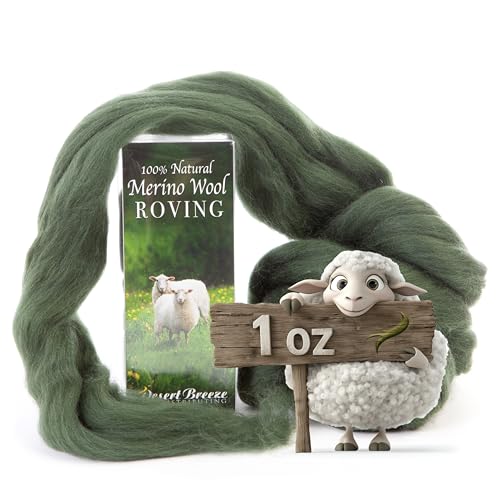

Harrisville Designs is a staple in the American fiber world, and their Highland line is a workhorse for a reason. This 100% wool roving offers a slightly toothy texture that is incredibly forgiving for those just learning to draft fiber.
Because it isn’t super-processed, it maintains a structural integrity that holds a twist beautifully during spinning. If you are practicing long-draw spinning, this fiber provides enough resistance to help you maintain consistent thickness without the fiber slipping through your fingers.
The color range is deeply rooted in traditional, earthy tones that lean toward a rustic aesthetic. While it may not offer the neon pop of some synthetic-dyed fibers, it is unparalleled for learning how to blend muted, natural-looking transitions.
Living Dreams Wool Fiber Combed Top Collection
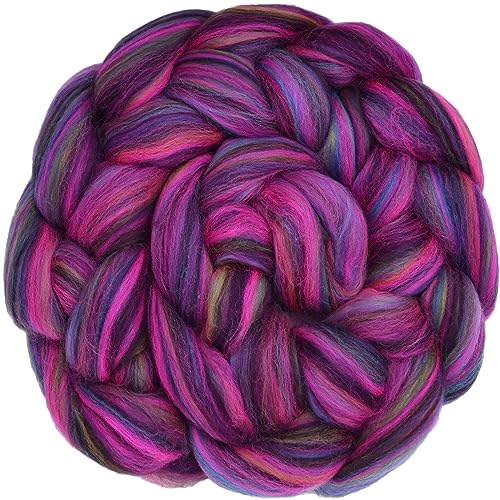
If you want to move beyond basic spinning into complex color blending, Living Dreams offers a high-quality combed top. The fiber is consistently prepared, meaning there are very few neps or tangles to fight while you work.
The "combed top" preparation means the fibers are aligned in parallel, making it a dream for creating smooth, worsted-spun yarns. This is the ideal choice if you are practicing color-striping or fractal spinning, where fiber alignment directly impacts the clarity of your color repeats.
Be aware that because this fiber is so well-prepared, it can be quite slick. If you are a beginner, you might find it moves faster than you anticipate, so keep your tension light and your hands relaxed.
World of Wool Merino Wool Top Color Palettes

World of Wool excels at providing massive variety, and their curated color palettes are essentially a classroom in a box. Merino is the gold standard for softness, making these kits perfect for projects that will sit against the skin, like cowls or lightweight shawls.
The primary advantage here is the sheer breadth of the color spectrum provided in each set. You can easily lay out five or six shades to see how value—the lightness or darkness of a color—changes across a gradient.
Keep in mind that fine Merino can sometimes felt more easily than coarser wools. If you are a heavy-handed spinner, be careful not to over-handle the fiber before it is spun, or you will end up with a "pre-felted" mess that is impossible to draft smoothly.
Ashland Bay Dyed Merino Wool Roving Assortments

Ashland Bay is widely recognized for its consistent, vibrant dyeing process that resists fading over time. These assortments are often sold in smaller quantities, which is perfect for practicing color theory without committing to a full pound of fiber you might not use.
These collections are particularly useful for testing "analogous" color schemes—colors that sit next to each other on the color wheel. Because the dye saturation is so consistent across the line, you can trust that your color blends won’t be ruined by one shade being significantly more intense than the others.
The tradeoff is that this is a premium, highly processed product. It is a joy to work with, but it is an investment; use these for your "final exam" projects once you have mastered the basics of drafting and twist control.
Paradise Fibers Wool Roving Color Theory Kits

Paradise Fibers understands that spinners need more than just pretty colors; they need a system. Their kits are specifically designed to teach you how to organize your stash by hue, saturation, and value.
These kits often include a mix of fiber types, which serves as a great lesson in how different wool breeds take dye differently. A Bluefaced Leicester fiber will look brighter and more lustrous than a Corriedale fiber, even if they are dyed in the exact same dye bath.
This is the ultimate kit for the experimental artist. If you want to understand why your hand-spun yarn looks "flat" in one project but "vibrant" in another, these kits will show you how fiber luster and dye depth work together.
WeCrochet Palette Wool Roving Fiber Collections
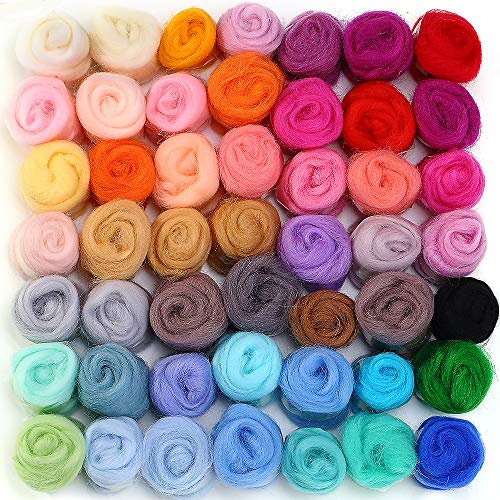
WeCrochet has brought their accessible, budget-friendly approach to the roving market, and it is a fantastic entry point for beginners. The fiber is soft enough for most projects, and the price point allows you to make mistakes without feeling like you are wasting expensive materials.
The color palettes are designed with the modern maker in mind, featuring trendy, saturated tones that look great in contemporary colorwork. If you are planning to combine your hand-spun with commercial yarn, the color matching is often quite reliable.
Don’t expect the high-end, long-staple luxury of a boutique breed-specific fiber here. This is a reliable, utilitarian wool that is perfect for learning the ropes of color theory before moving on to more specialized, expensive fleeces.
Why Color Theory Matters for Fiber Artists
Color theory is the difference between a project that looks "homemade" and one that looks "designed." When you understand how colors interact, you stop choosing shades based on impulse and start choosing them based on how they will behave in the final fabric.
In knitting and spinning, color theory isn’t just about the wheel; it’s about how colors bleed into one another when plied. If you spin two high-contrast colors together, you get a barber-pole effect; if you spin two analogous colors, you get a subtle, heathered shift.
Learning this helps you avoid "muddy" projects. By understanding which colors are opposites (complementary) and which are neighbors (analogous), you can ensure your colorwork pops rather than blending into a flat, gray-brown blur.
Understanding Hue, Saturation, and Value in Wool
Hue is the color itself—red, blue, or green. Saturation refers to the intensity or "purity" of that color, while value is how light or dark that color appears.
In wool, value is often the most overlooked aspect. A deep navy blue and a bright fire-engine red might have the same hue intensity, but their values are miles apart, which will drastically change the look of your stranded knitting.
When you are choosing roving to blend, try squinting at your fiber stash. If you can’t tell the colors apart when you squint, they have the same value, which means they might lack the contrast needed for intricate patterns or clear color transitions.
How to Blend Roving for Custom Color Transitions
Blending roving is a tactile way to create a bespoke color palette. Using hand cards or a blending board, you can combine small amounts of different colored roving to create custom heathers or gradients.
Start by pulling small bits of each color and laying them across your cards. The more you card, the more homogenous the color becomes; the less you card, the more "marbled" the resulting yarn will look.
If you are a beginner, start by blending only two colors. It is easy to get overzealous and end up with a muddy brown, so keep a record of your ratios—like "two parts blue to one part yellow"—so you can replicate your success later.
Tips for Storing and Organizing Your Fiber Stash
Fiber is a magnet for dust and moths, so storage is not just about aesthetics; it is about preservation. Clear plastic bins are your best friend because they allow you to see your color palette at a glance without exposing the wool to the elements.
Organize your roving by color family or by "value" rather than by fiber type or brand. When you can see all your blues together, it becomes much easier to grab the right shade for a gradient transition.
Keep your stash in a cool, dry place away from direct sunlight, as UV rays will fade even the most high-quality dyes over time. If you live in an area prone to moths, add a few cedar balls or lavender sachets to your bins to keep your collection safe and smelling fresh.
Building a color-conscious fiber stash is a journey that evolves as your skills grow. By investing in these collections and practicing the principles of hue, value, and saturation, you will soon find yourself spinning yarn with a depth and intentionality that truly stands out. Remember that the best way to learn is to get your hands dirty, experiment with blends, and not be afraid of the occasional "ugly" swatch. Happy spinning, and may your colors always harmonize perfectly in your next project.