7 Best Wool Blends For Structural Integrity To Use
Discover the top 7 wool blends engineered for superior structural integrity. Learn which fibers offer the best durability and shape retention for your projects.
Choosing the right yarn is the difference between a sweater that holds its silhouette for a decade and one that sags by the end of the first season. Structural integrity relies on how fiber types, ply, and twist interact to resist gravity and wear. Whether you are crafting a heavy cabled cardigan or a pair of resilient socks, the foundation of your work starts with the fiber selection. This guide breaks down the best wool-based options to ensure your hard work stands the test of time.
Cascade 220: The Gold Standard for Structure
Cascade 220 is the yarn that every knitter returns to when they need a project to behave. Its 100% Peruvian Highland wool provides a firm, consistent stitch definition that makes cables pop and ribbing snap back into place.
Because it is a worsted-weight, non-superwash wool, it possesses a natural "tooth" that allows stitches to grip one another. This friction is exactly what you want for structural garments, as it prevents the fabric from stretching out under its own weight.
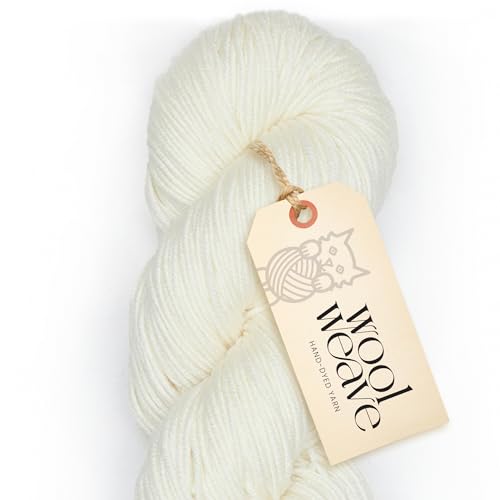

If you are planning a large-scale project like a cabled sweater, this yarn is your best insurance policy. Just remember that it can feel slightly rustic against the skin, so it’s best suited for outer layers or garments worn with a base layer.
Berroco Ultra Wool: Durability Meets Softness
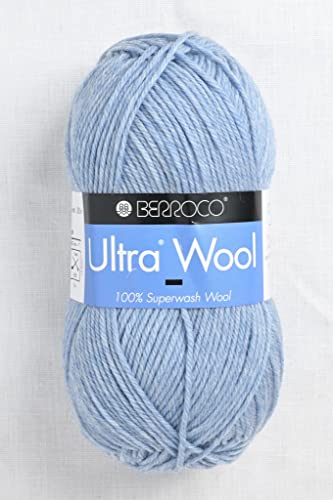
If you need the resilience of a structural yarn but cannot tolerate the scratchiness of traditional wool, Berroco Ultra Wool is a brilliant solution. It is a 100% superwash wool that manages to maintain a surprising amount of bounce and memory.
Superwash treatments can sometimes make yarn feel limp or "drapey," but the construction here is tight enough to retain shape. It is perfect for children’s clothing or accessories that require frequent machine washing without losing their form.
The main tradeoff is that it lacks the natural grip of a non-superwash yarn. You may find your stitches sliding more easily, so keep a consistent tension to ensure your gauge doesn’t wander.
Rowan Felted Tweed: The Ultimate Texture Blend
Rowan Felted Tweed is a masterclass in fiber engineering, blending 50% merino, 25% alpaca, and 25% viscose. It is a lightweight, rustic-looking yarn that offers incredible structural stability due to its unique fiber composition.
The alpaca provides a soft halo, while the viscose adds a subtle strength that prevents the yarn from breaking. Because it is a "felted" style yarn, the fibers are slightly pre-agitated, meaning they bond together beautifully in your finished fabric.
This is my go-to choice for colorwork projects like Fair Isle. The fibers "grab" each other, which keeps your stranded floats secure and prevents the finished garment from becoming a loose, saggy mess.
Knit Picks Wool of the Andes: Best Value Choice

For knitters on a budget who refuse to sacrifice structure, Wool of the Andes is the industry standard for accessibility. It is a sturdy, traditional Peruvian wool that offers a crisp stitch definition usually reserved for much pricier skeins.
It is a fairly "dry" yarn, which means it doesn’t have a lot of excess oil or sheen. This makes it exceptionally easy to work with, especially for beginners who are still learning to manage their tension.
Be aware that because it is a more affordable, utilitarian wool, it can pill if subjected to heavy friction. Use it for sweaters or hats that won’t be subjected to constant abrasion, and it will serve you well for years.
Malabrigo Rios: Strength With Color Depth
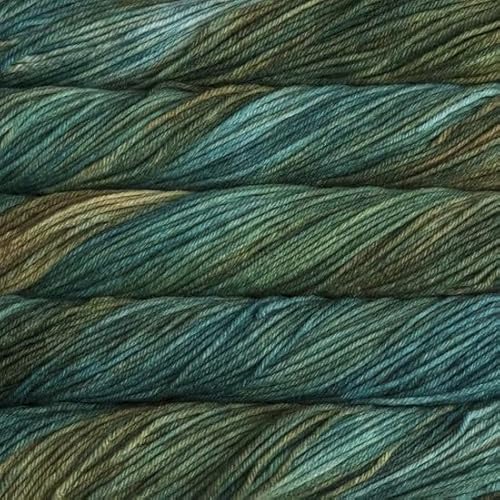
Malabrigo Rios is a 100% superwash merino that defies the typical "limp" reputation of superwash yarns. It is a plied yarn, which is the secret to its structural integrity; the twist creates a round, sturdy strand that resists splitting.
The colors are hand-dyed, resulting in a depth of tone that makes even simple stockinette stitch look like a work of art. It is soft enough for cowls and scarves, yet strong enough for a well-fitting pullover.
Because it is a plied yarn, it has excellent stitch memory. If you are knitting a project that requires precise gauge, such as a fitted sweater, this yarn will hold your measurements reliably throughout the construction process.
Jamieson & Smith 2-Ply Jumper: Heritage Choice
When you need a garment that is both lightweight and incredibly structural, you look to Shetland wool. Jamieson & Smith 2-Ply Jumper is the gold standard for traditional colorwork, offering a crispness that is unmatched by softer, modern wools.
This yarn is designed to hold its shape indefinitely. It is not the softest yarn on the shelf, but it is the most honest; it creates a fabric that is wind-resistant and durable enough to last for generations.
If you are tackling a complex gansey or a traditional stranded yoke, this is the yarn to use. It blooms beautifully after a good soak, filling in the gaps between stitches to create a cohesive, sturdy fabric.
West Yorkshire Spinners Signature: Best for Socks

Socks are the ultimate test of structural integrity because they face constant friction and stretching. West Yorkshire Spinners Signature includes a percentage of Bluefaced Leicester wool and nylon, creating a blend that is both luxurious and practically indestructible.

The BFL wool provides a beautiful luster and strength, while the nylon adds the necessary elasticity to keep the sock from bagging out at the heel. It is the perfect balance of comfort and high-performance engineering.
If you are new to sock knitting, start here. The fiber blend is forgiving of minor tension inconsistencies, and the resulting fabric is dense enough to survive inside a shoe without wearing through in a month.
Why Fiber Blends Enhance Your Garment Longevity
Fiber blending is not just about aesthetics; it is a deliberate choice to mitigate the weaknesses of individual materials. Pure wool is warm but can be prone to felting or stretching, while synthetic fibers like nylon provide the "snap-back" memory that wool sometimes lacks.
- Wool/Nylon: Ideal for high-friction areas like heels, toes, and elbows.
- Wool/Alpaca: Adds a soft halo while maintaining the core stability of the sheep’s wool.
- Wool/Viscose/Silk: Introduces drape and sheen without sacrificing the structural memory of the wool.
By combining these fibers, you create a yarn that is more than the sum of its parts. You are balancing the elasticity of the sheep’s wool with the durability of man-made or plant-based fibers to ensure your garment survives the rigors of daily wear.
Understanding Twist and Ply for Added Stability
The way a yarn is spun has a massive impact on how it behaves on your needles and on your body. A high-twist yarn—where the fibers are wound tightly—will always be more structural and resistant to pilling than a low-twist, "roving-style" yarn.
The ply (the number of strands twisted together) is equally vital. A 3-ply or 4-ply yarn will generally be rounder and more stable than a single-ply yarn, which is prone to pilling and breaking under stress.
When choosing your next project, look for "roundness" in the strand. If you pull the yarn taut and it remains firm, it will likely produce a garment that holds its shape. If it feels flat or pulls apart easily, expect a softer, drapier fabric that may require more careful sizing.
How to Properly Block Wool Blends for Shape
Blocking is the final, non-negotiable step in building structural integrity into your garment. By soaking your wool blend in lukewarm water and gently shaping it, you allow the fibers to relax and "set" into their final position.
For structural wools, a firm blocking is essential to even out stitches and ensure your gauge is accurate. Use rust-proof pins to hold your edges in place, and let the piece dry completely before unpinning it.
Always check the fiber content before blocking; superwash wools can grow significantly when wet, so measure your swatch both before and after washing. This practice ensures that the sweater you knit is the same size as the sweater you actually wear.
Building a garment that lasts is a skill that combines patience with a deep understanding of your materials. By selecting yarns with the right twist, ply, and fiber composition, you set yourself up for long-term success. Remember to swatch, block, and respect the natural properties of the wool you choose. Your future self will thank you when your favorite sweater still fits perfectly years down the road.