6 Best Weighted Hem Clips For Garment Shaping
Discover the 6 best weighted hem clips for flawless garment shaping. Learn how these essential tools ensure professional, uniform drapes for every fabric type.
Achieving a perfectly straight hem or a crisp, professional edge is often the difference between a project that looks "homemade" and one that looks truly professional. Weighted clips are the secret weapon for controlling fabric tension during blocking or sewing, ensuring your hard work doesn’t curl or distort. By applying consistent downward pressure, these tools allow fibers to settle into their intended shape without constant manual adjustment. In this guide, we will explore the best options to help you master your garment finishing.
Clover Wonder Clips: Best for Precise Hemming
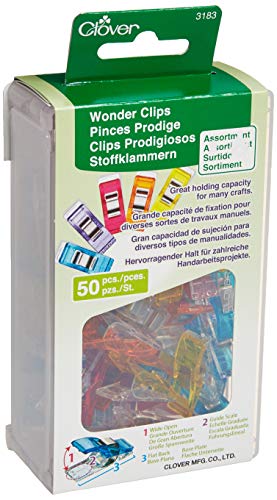

Clover Wonder Clips are the gold standard for many knitters because they offer a secure, non-slip grip without piercing the fabric. Unlike traditional pins, they won’t leave permanent holes in delicate fibers like silk or fine merino.
Their flat base design is particularly useful when you are working on a flat surface, as it keeps the hem perfectly aligned. If you are preparing a hem for a blind stitch, these clips provide enough stability to keep the fabric from shifting as you maneuver your needle.
However, they don’t provide significant "weight" on their own, so they are best used when you need to hold a fold in place. Use them in conjunction with a blocking mat to ensure your edges stay exactly where you pinned them.
Dritz Heavy Duty Drapery Weights: Best for Drapes
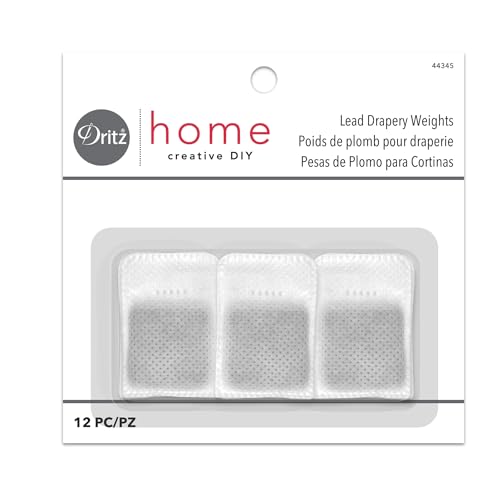
When you are working with heavier home decor fabrics or weighted knit blankets, standard clips often fail to provide enough tension. Dritz Heavy Duty weights are designed to pull fabric taut, which is essential for preventing "draw-in" or uneven sagging.
These are not your typical sewing clips; they are substantial tools meant to be used during the final set of a project. If you are blocking a heavy wool throw, these weights help pull the stitches into a uniform square, ensuring your corners don’t curl.
The trade-off here is the risk of stretching the fabric too aggressively. Always monitor your project closely, as too much weight on a delicate fiber can pull the stitches out of proportion.
Hemline Weighted Hem Clips: Best for Knit Fabrics

Hemline clips strike a balance between weight and ease of use, making them ideal for the average garment knitter. They provide just enough tension to keep a hem from rolling—a common frustration with stockinette stitch garments.
Because knit fabric is inherently elastic, it wants to return to its original, often curled, state. These clips act as a gentle anchor, holding the fabric flat while you steam or wet block your piece.
They are particularly effective for working with superwash wool, which can be quite "bouncy" and prone to shifting. Simply space them out along the edge to maintain a consistent, professional drape.
Singer Sewing Clips: Best All-Purpose Weighted Set

Singer clips are the reliable workhorse of the sewing room, offering a versatile design that handles a variety of fabric thicknesses. They are excellent for beginners who want one set of tools that can move from a cotton blouse to a wool cardigan.
The spring tension is calibrated to be firm but not crushing, which is a vital consideration for high-twist yarns. If the tension is too high, you risk creating "bruises" or indents in the yarn, especially in softer, single-ply fibers.
Keep in mind that these are best for light-to-medium weight projects. If you are working on an oversized, chunky-knit sweater, you may find that you need a higher volume of clips to achieve the desired effect.
Prym Ergonomics Clips: Best for Delicate Knits
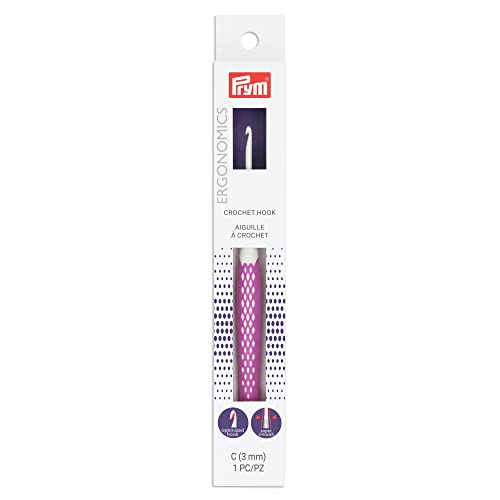
Prym Ergonomics clips are designed with a focus on gentleness, making them the superior choice for luxury fibers like cashmere, angora, or mohair. These fibers are incredibly susceptible to damage, and standard metal clips can easily snag a loose strand.
The rounded edges and smooth finish ensure that your yarn remains pristine throughout the blocking process. If you are blocking a delicate lace shawl, these clips provide the necessary structure to open up the eyelets without stressing the fiber.
The investment is higher, but for high-end projects, the peace of mind is worth it. They are the best insurance policy against accidental snags that could ruin a hundred hours of work.
Collins Weighted Hem Clamps: Best for Heavy Wool
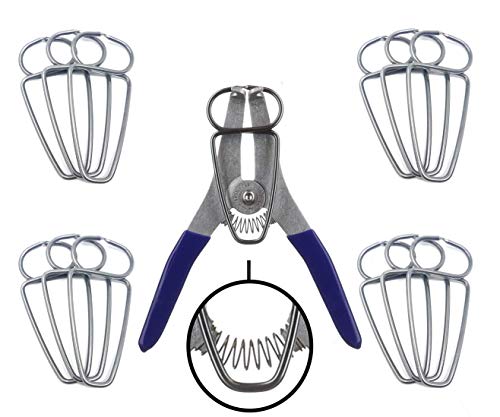
Collins clamps are built for the heavy-duty demands of thick, felted, or dense wool projects. When you are dealing with a heavy winter coat or a dense cable-knit sweater, you need a tool that won’t slide off or lose its grip.
These clamps provide a very firm hold, which is exactly what you need when you are trying to force a stubborn, thick fabric into a specific shape. Their weight is significant, effectively "training" the wool fibers to lie flat.
Be careful when using these on lighter fabrics, as the sheer weight can cause local distortion. Always use a sacrificial layer of cotton fabric between the clamp and your knit to distribute the pressure more evenly.
Why Weighted Clips Improve Your Garment Shaping
Weighted clips transform the blocking process from a guessing game into a precise science. By applying consistent downward force, you force the stitches to align, which is crucial for achieving the correct measurements after a garment has been washed.
Without this weight, knit fabric often retains the "memory" of how it was held during the knitting process. Weighted clips override this memory, allowing the fibers to relax into their final, intended dimensions.
This is especially important for garments with complex construction, such as set-in sleeves or shaped waistlines. When every edge is weighted correctly, the final assembly of the garment becomes significantly easier.
How to Properly Space Clips for Even Stretching
The spacing of your clips is just as important as the weight itself. If you place them too far apart, the fabric between the clips will sag, leading to an uneven, wavy hemline.
As a general rule, aim for a spacing of two to three inches for most standard-weight knits. If you are working with a very heavy or loose-gauge fabric, you will need to increase the density of your clips to prevent sagging.
Always work from the center outward when applying clips to a long edge. This ensures that any excess fabric is distributed evenly toward the sides, preventing a buildup of tension in one specific area.
Preventing Fabric Damage When Using Hem Weights
The biggest risk when using weighted clips is creating permanent indentations or "crushing" the loft of your yarn. This is particularly problematic with wool, which relies on loft for both warmth and aesthetic appeal.
To prevent this, never leave your weights on for longer than necessary. Once the fabric has dried in its blocked shape, remove the weights immediately to allow the fibers to regain their natural bounce.
If you are working with a delicate or fuzzy fiber, consider wrapping the tips of your clips in a soft, non-shedding fabric. This simple modification can prevent the metal or plastic from snagging your beautiful hand-dyed yarn.
Essential Tips for Blocking Weighted Knitwear
Blocking is not just about getting the shape right; it is about respecting the fiber properties of your yarn. Always use a blocking mat that can handle the weight of your clips without compressing or warping.
When working with superwash wool, remember that it will continue to grow when wet. Use your weighted clips to "pre-stretch" the fabric slightly, but don’t overdo it, as the fiber will naturally expand during the drying process.
Finally, always finish your blocking with a gentle steam or mist. This final step helps the fibers "set" in their new shape, ensuring that your hard-won silhouette lasts through many wears and washes.
Investing in quality weighted hem clips is a small step that yields massive improvements in the professional look of your hand-knitted garments. By selecting the right weight for your specific yarn and project, you can ensure that every hem, edge, and seam sits exactly where it belongs. Remember that the goal is to guide the fabric, not to fight it, so always prioritize the integrity of your fiber. With these tools in your kit, you are well on your way to creating pieces that look as good as they feel.