7 Best Interfacings For Reinforcing Button Bands
Discover the 7 best interfacings to stabilize button bands. Learn which weights and types ensure professional, crisp finishes for all your garment projects.
Nothing ruins a beautiful hand-knit cardigan faster than a button band that sags, stretches, or pulls away from the garment after just a few wears. Choosing the right interfacing is the secret bridge between a project that looks like a prototype and one that looks truly professional. With two decades of experience at the needles, I have learned that the structural integrity of your placket is just as important as your stitch tension. This guide breaks down the essential tools to ensure your hard work stays crisp, functional, and beautiful for years to come.
Pellon SF101 Shape-Flex: The Gold Standard Choice


Pellon SF101 is the industry workhorse for a reason, offering a woven structure that mimics the movement of fabric while providing essential stability. It is a medium-weight, fusible interfacing that feels soft to the touch, preventing that "cardboard" stiffness that can ruin the drape of a delicate wool sweater.
I recommend this for almost any standard wool or wool-blend cardigan. It provides enough body to support the weight of heavy buttons without making the front of your garment feel like a separate, rigid piece of armor.
Because it is woven, it doesn’t have a distinct "grain" that will fight against your knitting. It moves with the fabric during the blocking process, ensuring that your button band remains a cohesive part of the sweater rather than a stiff, detached strip.
Vilene G785: Best Lightweight Fusible Interfacing

When you are working with fine-gauge yarns or delicate fibers like cashmere or alpaca, standard interfacings are often far too heavy. Vilene G785 is an incredibly lightweight, bi-elastic fusible that maintains the natural hand of your luxury fibers.
It is particularly useful for projects where you want to prevent buttonhole distortion without adding any perceptible bulk. If you find that your buttonholes are stretching out of shape the moment you fasten the sweater, this is your solution.
The "bi-elastic" nature of this product means it stretches in both directions, just like your knitting. It provides reinforcement while allowing the band to maintain its natural elasticity, which is crucial for garments that need to move with your body.
Therm O Web HeatnBond: Excellent for Heavy Knits
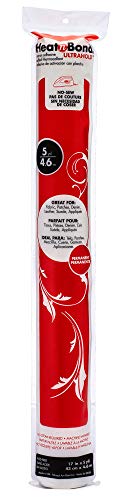
Heavy, chunky-weight sweaters require a different approach to reinforcement because the sheer mass of the yarn can pull a button band downward. HeatnBond provides a more robust, stable backing that can handle the structural demands of larger stitches and heavier fiber weights.
I typically reach for this when working with wools that have a high "memory" but are prone to sagging over time. It creates a solid foundation that prevents the weight of the buttons from distorting the placket’s stitch pattern.
Be aware that because it is firmer, it can slightly alter the drape of the band. It is best suited for structured, boxy silhouettes rather than fluid, drapey cardigans where you want maximum movement.
HTC Sew-In Stay Tape: Best for Delicate Fabrics

Sometimes, the heat required to fuse an interfacing can damage delicate fibers like silk, mohair, or certain synthetic blends. In these instances, a sew-in stay tape is the safest way to reinforce your band without risking a scorched yarn surface.
This tape acts as a stabilizer that you sew directly into the seam allowance or along the back of the button band. It effectively "locks" the stitches in place, preventing the vertical growth that often happens when you wear a heavy knit garment.
Because it is not fused, you never have to worry about the adhesive bleeding through to the right side of your knitting. It is a low-risk, high-reward method for those who are nervous about applying heat to their finished work.
Dritz Knit Stay Tape: Ideal for Preventing Sag
Dritz Knit Stay Tape is specifically engineered to provide a non-stretch barrier where you need it most. It is perfect for applying to the back of a button band to ensure that the vertical length of the band remains exactly as you knitted it.
Many knitters struggle with "growing" bands, where the weight of the buttons causes the band to lengthen over time. This tape effectively halts that process, keeping your buttonholes perfectly aligned with their corresponding buttons.
It is easy to apply and lightweight enough that it won’t be noticeable from the outside. If you are prone to knitting loosely, this is an excellent insurance policy for your finished garments.
Sulky Totally Stable: Perfect for Button Plackets

Sulky Totally Stable is a unique product that offers a temporary, iron-on stabilization that can be removed if necessary. It is fantastic for knitters who want the ease of a fusible during the sewing process but prefer a softer finished band.
If you are worried about your buttonholes puckering while you sew them, this provides the perfect amount of temporary stiffness. You can stitch your buttonholes with confidence, knowing the fabric won’t shift or bunch under the machine foot.
Once your buttonholes are finished, you can simply peel it away or leave it in, depending on the desired level of structure. It is a versatile tool that offers a "best of both worlds" approach for complex button bands.
Woven Fusible Interfacing: Best for Structural Rig
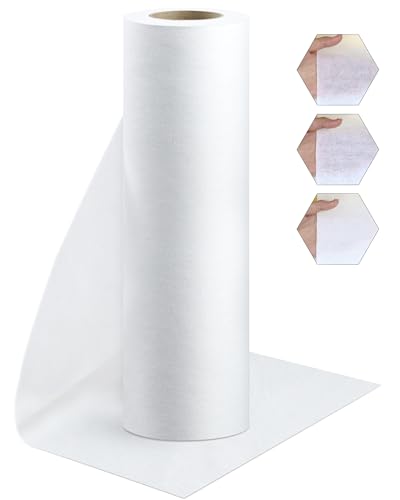
When you need serious, heavy-duty reinforcement for a jacket-style knit, a high-quality woven fusible is the only way to go. These interfacings provide a crisp, tailored look that transforms a casual knit into a structured piece of outerwear.
They are ideal for bands that will hold heavy, metal, or toggle buttons. The woven structure resists pulling and tearing, ensuring that your buttons stay securely attached to the band rather than pulling through the knit fabric.
Always ensure you are using a "woven" fusible rather than a "non-woven" one, as non-wovens can tear easily when punctured by button needles. Woven options provide the durability required for long-term wear and frequent use.
How to Choose the Right Weight for Your Knit Fabric
Selecting the right weight is a balancing act between the weight of your yarn and the intended use of the garment. A good rule of thumb is to match the weight of the interfacing to the weight of your yarn:
- Lace/Fingering Weight: Use lightweight, stretch-compatible interfacings like Vilene G785.
- DK/Worsted Weight: Standard woven fusibles like Pellon SF101 work beautifully here.
- Bulky/Super Bulky Weight: Opt for firmer, more substantial stabilizers to combat gravity.
If your yarn is particularly fuzzy, like mohair or angora, prioritize sew-in options to avoid matting the fibers with heat. Always test a small swatch of your yarn with the interfacing first to ensure the bond is secure and the hand remains acceptable.
Proper Techniques for Fusing Without Yarn Damage
Applying heat to a hand-knit garment requires patience and a gentle touch. Always use a pressing cloth between your iron and the knit fabric to prevent scorching or flattening the loft of your yarn.
Never slide the iron across the band; instead, use a "press and lift" motion. Sliding the iron can stretch the knit fabric while it is warm and pliable, which defeats the entire purpose of the reinforcement.
Ensure your iron is set to a temperature appropriate for your fiber content. Synthetic fibers can melt instantly, while natural fibers can become brittle if the heat is too high or applied for too long.
Essential Tips for Sewing Buttons to Interfaced Bands
When sewing buttons onto an interfaced band, you are essentially sewing through a composite material. Use a sharp needle and ensure you catch the interfacing with every stitch to distribute the weight of the button across the stabilizer.
If you are using a machine to sew buttons, use a low speed and a zigzag stitch set to the width of the button holes. This allows the button to remain secure without creating a "pulling" effect on the knit stitches.
Finally, always leave a small "shank" of thread between the button and the band. This small space prevents the button from pulling the fabric tight, which is the most common cause of buttonhole distortion in finished knitwear.
Reinforcing your button bands is a mark of a maker who values longevity and craftsmanship. By choosing the right interfacing and applying it with care, you elevate your knitting from a simple hobby to a collection of heirloom-quality garments. Remember that the best approach is always the one that respects the unique properties of your chosen fiber while providing the support your design demands. Happy knitting, and may your button bands always stay perfectly in place.