7 Best Blocking Pins For Crisp Edges Worth Owning
Achieve professional results with our top 7 blocking pins. Discover the best tools for crisp edges and precise shaping to elevate your next knitting project.
Blocking is the final, transformative step that turns a collection of stitches into a professional-grade garment. Without the right pins to hold your tension, even the most intricate lace patterns can look uneven and lackluster. Choosing the correct tool for your specific fiber and project scale makes all the difference in achieving those elusive, crisp edges. This guide will help you navigate the essential pins every knitter should have in their toolkit.
Knitter’s Pride Knit Blockers: Best Overall Pick


These are not traditional pins, but rather wide, plastic combs with multiple sharp points embedded in a single unit. They are a game-changer when you need to block a long, straight edge on a shawl or a sweater hem.
Because they cover more surface area at once, they significantly reduce the time spent pinning out a project. You simply press them into your blocking mat, and the weight of the plastic keeps your work perfectly aligned.
The trade-off is that they are less effective for curved edges or complex lace motifs that require individual tensioning. If you are blocking a large rectangular scarf, these are your best friend, but keep a set of fine pins on hand for the tricky corners.
Clover T-Pins: The Reliable Classic Choice

If you walk into any established knitter’s home studio, you will almost certainly find a box of these. They are the industry standard for a reason: they are simple, sturdy, and get the job done without any fuss.
The T-shape head is easy to grip, even if your hands get a bit tired after a long blocking session. They provide enough tension to hold down most worsted-weight wools without bending or warping under the weight of a damp garment.
Be aware that these are typically made of nickel-plated steel, which means they can rust if left in a soaking wet project for too long. Always ensure your project is damp, not dripping, and remove them promptly once the piece is dry.
Cocoknits Stainless Steel Pins: Rust Resistant
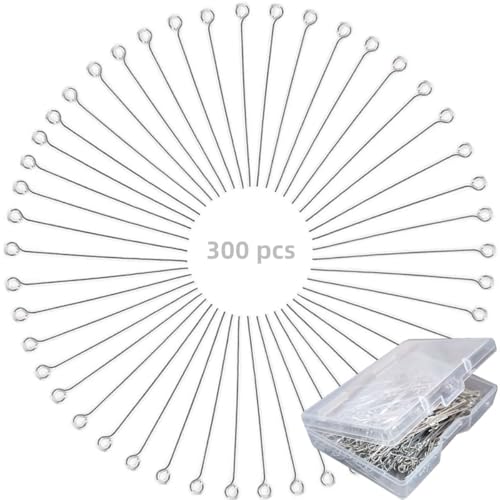
Rust is the enemy of light-colored, delicate yarns, especially when you are working with expensive hand-dyed wools. These pins are crafted from high-quality stainless steel, making them the superior choice for long-term blocking.
Because they are resistant to oxidation, you can leave them in a project for several days while it slowly air-dries in a humid environment. This is a massive advantage when working with heavy cottons or superwash wools that take a long time to lose their moisture.
They are slightly more expensive than standard nickel-plated options, but the investment is worth it to protect your hard work from permanent rust stains. Think of them as insurance for your most precious heirloom projects.
Tulip Knitter’s Pins: Best for Delicate Lace

When you are working with fine lace-weight mohair or intricate silk blends, standard T-pins can be far too thick. They risk distorting your delicate stitches or leaving unsightly holes in the fabric.
Tulip pins are exceptionally fine and sharp, allowing them to glide through the most fragile fibers with ease. They are designed specifically to hold tension without putting undue stress on the yarn structure.
Because they are so thin, they can bend if you try to use them on heavy, dense wool. Reserve these strictly for your lace shawls and light, airy garments where precision is more important than raw holding power.
Boye Plastic T-Pins: Gentle on Soft Fibers

Some yarns, particularly those with a high silk or rayon content, can be quite sensitive to the sharp metal points of standard pins. Plastic T-pins offer a smoother, slightly more forgiving surface that won’t snag or fray delicate plies.
They are also incredibly lightweight, which is helpful when you are blocking on a foam mat that you don’t want to over-complicate with heavy hardware. They won’t leave deep indentations in the mat surface.
However, they are thicker than metal pins and lack the same structural integrity. Use these for light blocking tasks where you need to hold a shape gently rather than pulling it taut with heavy force.
Mindful Collection T-Pins: Best Ergonomic Grip

Blocking can be physically taxing, especially if you have arthritis or struggle with fine motor tasks. The Mindful Collection pins feature an improved, ergonomic T-head that is easier to manipulate and pull out of the mat.
The design focus here is on comfort, ensuring that you don’t experience hand fatigue during a marathon blocking session. It is a thoughtful detail that acknowledges the physical reality of being a lifelong knitter.
These pins are also aesthetically pleasing, which makes the tedious chore of blocking feel a bit more like a ritual. If you find yourself avoiding blocking because it hurts your hands, these are the tools you need.
Beadsmith Extra Long Pins: For Deep Blocking
Sometimes you need to block a project that has a thick border or a heavy, folded hem. Standard pins are often too short to reach through multiple layers and anchor firmly into your blocking mat.
Extra long pins provide the reach necessary to secure bulky garments or blankets effectively. They give you the leverage to pull the fabric into the exact shape you want without the pin popping out of the mat.
Because they are longer, they are also more prone to bending if you aren’t careful. Use a gentle, straight-down motion when inserting them to ensure they stay true and don’t snap under pressure.
How to Choose the Best Pins for Your Projects
- Fiber sensitivity: Use fine, smooth pins for silk and mohair; sturdier T-pins for heavy wool.
- Project weight: Heavy, wet sweaters require long, strong pins to prevent them from shifting.
- Edge type: Use blocking combs for straight lines and individual pins for curves or lace.
- Duration: If your project takes days to dry, prioritize stainless steel to prevent rust.
T-Pins vs. Blocking Combs: A Detailed Guide
T-pins are the versatile workhorses of the knitting world. They offer individual control, allowing you to manipulate every single point of a lace scallop or a sleeve cuff.
Blocking combs, by contrast, are efficiency tools. They are designed to manage long, repetitive edges where precision is less about individual stitches and more about maintaining a consistent, straight line.
Most knitters eventually realize they need both. Start with a set of reliable T-pins for your everyday projects, and add a set of combs once you start tackling larger garments that require a more streamlined workflow.
Essential Tips for Perfect Blocking Results
Always use a dedicated blocking mat that can handle the sharp points of your pins. Avoid using towels or carpet, as these can harbor dust or dyes that might transfer to your project.
When pinning, work from the center of the piece outward to ensure the fabric is distributed evenly. This prevents the "dog-ear" effect where corners become stretched out of proportion compared to the rest of the garment.
Finally, remember that blocking is not just about stretching; it’s about setting the stitches. Let your piece dry completely before removing the pins, as the yarn needs to "remember" its new shape as the moisture evaporates.
Investing in quality blocking pins is one of the most underrated ways to elevate your knitting from homemade to professional. By selecting the right tool for your specific fiber and project, you ensure that every stitch looks its absolute best. Take the time to build a collection that serves your unique needs, and your finished items will thank you. Happy blocking, and may all your edges be perfectly crisp.