6 Best Velvet Backings For Professional Finishes
Elevate your projects with these six premium velvet backings. Discover durable, elegant options that ensure professional, scratch-free finishes every time.
Adding a velvet backing to your hand-knitted projects transforms a simple accessory into a professional-grade heirloom. While knitting provides the texture, the backing offers the structural integrity and refined finish that separates a hobbyist piece from a boutique item. Choosing the right material requires balancing the weight of your yarn with the drape of the fabric. This guide explores the best options to ensure your hard work stays protected and polished for years.
Robert Kaufman Kona Cotton: Best Fabric Backing


When you need a stabilizing layer that won’t fight your knit fabric, Kona Cotton is the gold standard. It isn’t velvet, but it is the essential "base" for those who want to apply a velvet trim or create a structured, non-stretchy foundation.
Because it is a high-quality quilting cotton, it has a consistent thread count that won’t shift while you are hand-sewing it to your knitting. It provides a crisp, clean edge that prevents your knitted pieces from curling at the corners.
If you are backing a heavy wool cowl, Kona Cotton acts as a reliable anchor. It is the most forgiving material for beginners who are still mastering the art of the whip stitch.
Joann Fabrics Plush Velvet: Best Soft Texture
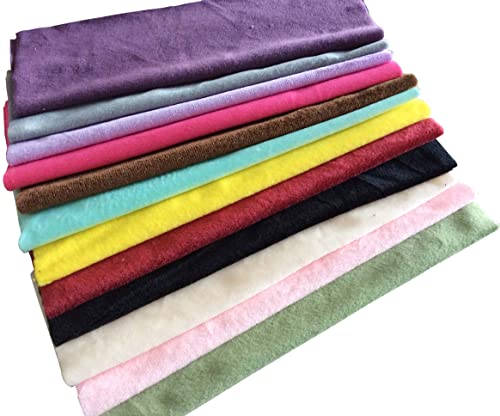
If your goal is pure comfort against the skin, this plush synthetic velvet is hard to beat. It features a high pile that mimics the coziness of a soft wool blend, making it perfect for scarves or baby blankets.
The trade-off here is the bulk; this fabric is significantly thicker than traditional dress-weight velvets. You will need to use a slightly larger tapestry needle and a looser tension when attaching it to your knitting to avoid puckering.
Use this when your knitting is a simple garter or stockinette stitch. The texture is so forgiving that it hides minor irregularities in your sewing lines.
Mood Fabrics Silk Velvet: Best Luxury Backing

Silk velvet is the ultimate choice for high-end projects like evening shawls or delicate lace wraps. It possesses a natural, liquid-like drape that synthetic fabrics simply cannot replicate.
Because it is incredibly lightweight, it won’t weigh down your delicate lace work. However, it is slippery and prone to shifting, so you must use plenty of pins or basting thread before you begin your final attachment.
Always handle this fabric with clean, dry hands. Even the natural oils from your skin can leave marks on the silk fibers if you aren’t careful during the pinning process.
Fabric Wholesale Direct Rayon: Best Drape
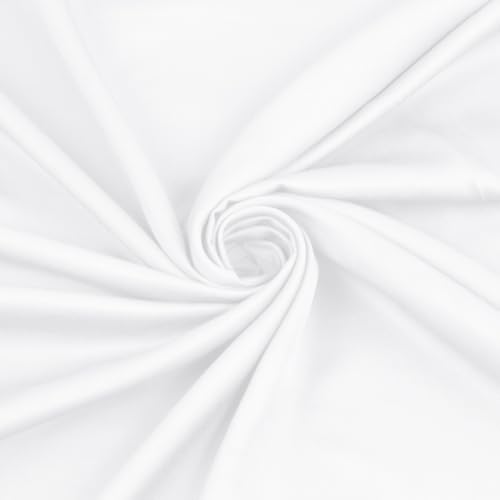
Rayon velvet is a fantastic middle-ground between the accessibility of cotton and the luxury of silk. It offers a beautiful, heavy drape that complements the weight of worsted or aran-weight wools perfectly.
The fiber content allows it to hold deep, rich colors that don’t fade, even after years of wear. It feels substantial in the hand, which gives your finished knitted garment a high-quality "heft."
Be aware that rayon can be sensitive to moisture. If you plan on blocking your knitting while the backing is already attached, ensure your knitting is completely dry first to avoid water spots on the velvet.
Michaels Creatology Felt: Best Sturdy Backing

If you are backing small, rigid items like knitted ornaments or coasters, felt is your best friend. It doesn’t fray, which means you can cut it to the exact shape of your knitting without worrying about finishing the edges.
Felt provides a "grippy" surface that prevents your projects from sliding off tables or shelves. It is also the easiest material to sew through, as it holds a needle firmly without the need for complex stabilizers.
Avoid using cheap, thin craft felt for wearables, as it can pill quickly. Opt for a wool-blend felt if you want a finish that will stand up to daily use.
Online Fabric Store Velveteen: Best Durability

Velveteen is made from cotton and has a shorter, denser pile than traditional velvet. It is essentially the "workhorse" of the velvet family, making it ideal for items that see a lot of friction, like knitted bags or pillow covers.
It is much more resistant to crushing than silk or rayon velvets. If you sit on a pillow backed with velveteen, the fabric will bounce back rather than showing permanent flattened patches.
Because it is cotton-based, it is also much easier to wash. If you have knitted a piece that needs to be machine-washed on a delicate cycle, this is the most reliable backing choice.
How to Select the Perfect Weight for Your Project
The golden rule is to match the weight of your backing to the weight of your yarn. If you use a heavy, thick velvet on a delicate fingering-weight shawl, the backing will overwhelm the knitting and cause it to sag.
- Fingering/Sock Yarn: Use silk velvet or lightweight rayon.
- Worsted/DK Yarn: Use velveteen or cotton-backed velvet.
- Bulky/Super Bulky: Use plush synthetic velvet or wool-blend felt.
Always drape the fabric over your hand alongside your swatch. If the fabric pulls the knitting down or creates a "dead weight" feeling, choose a lighter option.
Essential Tips for Attaching Velvet to Knitting
Never rely on glue for velvet backings. Glue will seep into the fibers of your knitting, creating a stiff, uncomfortable patch that ruins the drape of your work.
Instead, use a matching thread and a small whip stitch along the perimeter. Work your stitches into the "valleys" of your knit fabric to keep them invisible from the front.
If you are nervous about your sewing skills, use a basting stitch first. A few long, loose stitches will hold the fabric in place while you refine the permanent edge.
Managing Fabric Stretch During the Sewing Process
Knitting is inherently stretchy, while velvet is often stable. If you sew them together while the knitting is stretched out, your project will ripple and warp as soon as you release the tension.
Always lay your knitting flat in its relaxed state before pinning the velvet. Do not pull or tug on the knitting to make it fit the fabric; instead, trim the fabric to match the relaxed dimensions of the knit piece.
If you find the two materials fighting each other, use a walking foot on your sewing machine or increase your stitch length if hand-sewing. This allows the two layers to move slightly independently, preventing the "bunching" effect.
Caring for Your Finished Knitted Velvet Pieces
Velvet is a magnet for lint and dust. Keep a high-quality garment brush nearby to gently remove surface debris after each wear, always brushing in the direction of the nap.
Never iron your velvet directly. Use a steamer to remove wrinkles from the back side of the fabric, or hang the piece in a steamy bathroom to let the moisture relax the fibers.
If the velvet pile gets crushed, a light steam and a gentle brushing will usually bring it back to life. Treat these pieces as functional art, and they will remain beautiful for years.
Combining the structural beauty of knitting with the tactile elegance of velvet creates a finished project that feels truly complete. By selecting the right weight and handling your materials with care, you elevate your craft to a professional standard. Remember that the best backing is one that honors the drape and character of your yarn. Take your time with the attachment process, and enjoy the luxurious results of your hard work.