6 Best Ergonomic Cushions For Long Beading Sessions
Discover the 6 best ergonomic cushions to support your posture during long beading sessions. Improve comfort and focus with our top-rated, pain-relief picks.
We spend countless hours hunched over intricate beadwork or delicate lace, often forgetting that our bodies are the primary tools of our craft. Just as you wouldn’t use a dull needle for fine silk thread, you shouldn’t neglect the seat that supports your creative marathon. Investing in the right ergonomic cushion can transform a painful, stiff afternoon into a productive flow state. Here are the top choices to keep you comfortable while you work on your next masterpiece.
Purple Royal Seat: Best Overall for Long Sessions
The Purple Royal seat cushion uses a unique hyper-elastic polymer grid that feels unlike any traditional foam. If you’ve ever spent four hours straight picking up beads for a complex fringe, you know how quickly standard chair padding loses its loft and leaves you hitting the hard frame beneath.
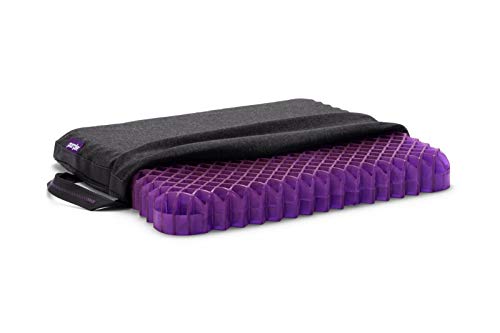

This grid design is brilliant because it doesn’t just compress; it promotes airflow. For those long summer afternoons when you’re working with high-friction synthetic threads that make your workspace feel warmer, this breathability is a lifesaver. It balances firmness and give perfectly, cradling your sit bones without feeling like you’re sinking into quicksand.
The trade-off here is the weight; it’s a substantial, heavy piece of kit. It isn’t meant to be tossed into a project bag for a knit night at the cafe. However, for your dedicated studio chair, it is the gold standard for long-term comfort.
Everlasting Comfort Gel Cushion: Best for Support
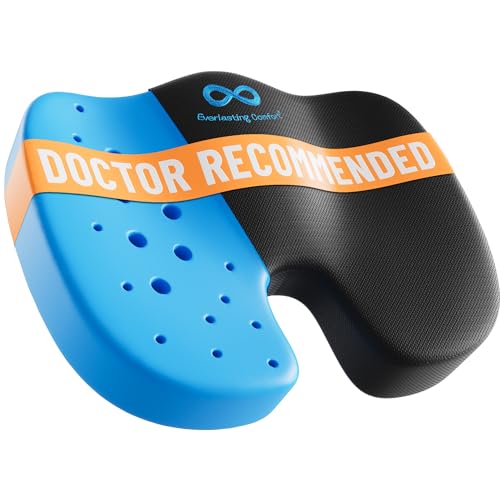
Gel-infused memory foam is a game-changer when you’re dealing with the static posture required for bead embroidery. This cushion provides a dense, structured support that encourages you to sit upright rather than slouching over your hoop.
When you’re working on a project with tiny 15/0 seed beads, your focus is entirely on the needle tip and the tension of your thread. You don’t want to be constantly shifting your weight to find a comfortable spot. This cushion stays firm, providing a consistent base that helps maintain your focus and your physical alignment.
Be aware that memory foam reacts to ambient temperature. If your craft room is chilly in the winter, the foam will feel quite stiff until it warms up to your body heat. Once it does, it offers a personalized contour that is hard to beat for sustained support.
ComfiLife Premium Seat Cushion: Best for Posture

The ergonomic "U" shape of the ComfiLife cushion is specifically designed to take the pressure off your tailbone. If you find yourself getting sharp pains in your lower back after finishing just one row of a beaded pattern, this design is likely what you need.
By cradling the base of your spine, it helps keep your pelvis in a neutral position. This is vital for fiber artists, as a slouched spine often leads to rounded shoulders, which eventually puts unnecessary strain on your neck and wrists. It’s a subtle intervention that prevents the "crafter’s hunch" from setting in.
This cushion is also portable, featuring a non-slip bottom and a handle. If you alternate between a desk for your bead sorting and a sofa for your assembly, this is the most versatile option for moving your setup around the house.
Kieba Coccyx Seat Cushion: Best Value for Money
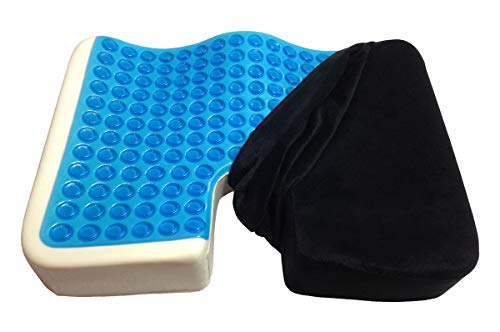
Sometimes you don’t need a luxury item to solve a basic ergonomic problem. The Kieba cushion offers a high-density foam core that provides excellent relief for the coccyx without the premium price tag.
It is particularly effective if you are working on a project that requires a lot of repetitive movement, like stringing hundreds of beads for a necklace. The firm structure ensures that your hips remain level, which is essential for maintaining consistent tension in your hands. If your hips are uneven, your shoulders will compensate, leading to fatigue in your hands and wrists.
The cover is removable and machine washable, which is a massive plus if you’re prone to snacking or drinking tea while you bead. While it may not have the high-tech polymers of more expensive options, its simple, effective design gets the job done reliably.
Aylio Coccyx Orthopedic Pad: Best for Alignment

The Aylio pad features a contoured surface that promotes proper spinal alignment from the moment you sit down. It is slightly firmer than standard cushions, which is excellent for those who find that soft padding actually makes their back pain worse by encouraging bad posture.
When you are doing beadwork, your hands are often held in a fixed, elevated position. If your seat isn’t supporting your spine, that tension travels directly up your back to your shoulders. This pad acts as a corrective tool, forcing your body into a healthier, more upright position that naturally reduces strain on your upper extremities.
It is a great choice if you have a chair that has lost its original padding over the years. Rather than buying a new, expensive chair, this pad can effectively "rebuild" the ergonomics of your current seating.
FOMI Premium Gel Cushion: Best Cooling Comfort

If you’ve ever sat on a foam cushion for three hours only to feel like you’re overheating, the FOMI gel cushion is your solution. It uses a liquid gel layer that remains cool to the touch, which is a massive relief during long, focused sessions.
The gel also distributes weight more evenly than foam, which prevents pressure points from forming on your thighs. This is especially helpful if you’re using a chair with a hard edge that usually digs into the back of your legs. When your circulation isn’t being cut off, you can stay in your "zone" for much longer.
The only downside is that the gel layer can feel a bit "squishy" compared to the stability of memory foam. If you prefer a very rigid surface to work on, you might find this takes a little getting used to. However, for sheer cooling comfort, it is unmatched.
How to Choose the Right Cushion for Your Beading
Choosing the right cushion is as personal as choosing the right needle size for your yarn weight. You must consider your chair’s current state, your body’s specific pain points, and your typical session length.
- Firmness: Do you prefer a "sink-in" feeling or a rigid, supportive base?
- Material: Do you need cooling gel, or does memory foam provide the warmth you prefer?
- Portability: Do you stay at one desk, or do you move your project from room to room?
- Shape: Does your lower back require a cutout for the tailbone, or do you need full-seat coverage?
Don’t be afraid to test different thicknesses. A cushion that is too tall might force your knees into an uncomfortable angle against your desk, while one that is too thin won’t provide the relief you need.
Ergonomic Posture Tips for Extended Crafting Time
Even the best cushion won’t save you if you don’t practice good posture. Aim to keep your feet flat on the floor; if your legs are dangling, you are putting unnecessary pressure on your lower back.
Try to keep your elbows tucked near your sides rather than reaching forward to your bead tray. Bringing the work closer to your eyes—rather than bringing your eyes down to the work—is the single most effective way to prevent neck strain.
Set a timer for every 45 minutes to stand up and stretch. Just like you need to block a finished shawl to get it to lie flat, your body needs to be "reset" to release the tension built up during a long session.
Why Proper Seating Prevents Chronic Back Strain
Chronic back strain in crafters is often cumulative. It starts with a slight ache after an hour, which eventually turns into a dull throb, and finally, a persistent pain that prevents you from working at all.
When you sit on a poor surface, your body compensates by engaging muscles that aren’t meant for long-term support. This leads to muscle fatigue, which then forces your spine out of its natural curve. Over time, this causes inflammation and tightness that can take days to recover from.
Investing in a cushion is not a luxury; it is a long-term maintenance strategy for your body. If you want to be beading well into your later years, you have to treat your physical comfort with the same seriousness you treat your stash management.
Maintenance and Cleaning Tips for Your Cushion
Most ergonomic cushions come with removable, washable covers, which is essential for a workspace where you might be using adhesives, waxes, or tiny beads that can get everywhere. Always check the label before tossing the cover in the wash; some require a gentle cycle to prevent shrinking.
For the core of the cushion, avoid getting it wet unless the manufacturer explicitly says it’s safe. Memory foam, in particular, can become waterlogged and lose its structural integrity if exposed to too much moisture.
If you have a gel cushion, a quick wipe-down with a damp cloth is usually enough to keep it clean. Keeping your cushion clean and well-maintained ensures it stays supportive for years, just like a well-cared-for set of circular needles.
Finding the right cushion is a deeply personal part of your creative journey, much like choosing the perfect tension for your project. By prioritizing your physical support, you are ensuring that your beadwork remains a source of joy rather than a source of pain. Take the time to assess your needs, choose the tool that fits your specific workflow, and your body will thank you for years to come. Happy crafting, and may your threads always stay tangle-free.