6 Best Yarn Swifts For Organizing Hanks Worth Having
Tired of tangled yarn? Discover the 6 best yarn swifts for organizing hanks efficiently. Improve your winding process with these top-rated, reliable tools.
There is nothing quite as frustrating as spending an hour untangling a hand-dyed hank of luxury wool that collapsed into a bird’s nest during winding. A quality yarn swift is the unsung hero of the fiber arts, transforming unruly loops into manageable, ready-to-knit yarn. Investing in the right tool saves you hours of tedious labor and protects the integrity of delicate fibers. This guide explores the best swifts on the market to ensure your stash remains organized and tangle-free.
Stanwood Needlecraft Tabletop Swift: Best Overall
This model is the gold standard for many home studios, balancing durability with a smooth, silent rotation. It features a heavy-duty construction that doesn’t wobble when you are winding at high speeds.
The metal hardware and smooth wooden slats ensure that even the most delicate lace-weight mohair won’t snag or catch. It handles a wide range of hank sizes, making it versatile enough for everything from fingering weight sock yarn to bulky, single-ply roving.
If you find yourself winding yarn weekly, the stability of this tabletop unit is worth the investment. It stays firmly in place, allowing you to focus on maintaining even tension for your yarn cakes.


Amish-Style Wooden Yarn Swift: Best Sturdy Design
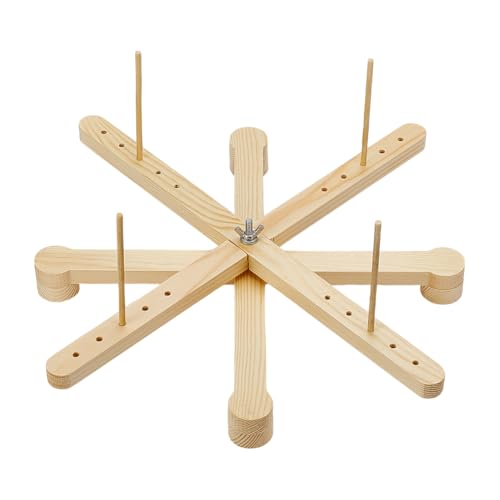
The Amish-style swift is a stationary, horizontal design that sits directly on your table or floor. Because it lacks the complex folding mechanisms of umbrella swifts, it is incredibly robust and unlikely to break.
These are often handcrafted from hardwoods like maple or birch, providing a beautiful aesthetic that feels like a piece of heirloom furniture. They are particularly excellent for extremely large or heavy skeins that might cause a lighter, umbrella-style swift to tip over.
The tradeoff here is space; these units do not fold down into a compact stick. If you have a dedicated craft room, this is a permanent, reliable fixture that will last a lifetime.
Knit Picks Yarn Swift: Best Value for Beginners
If you are just starting to buy yarn in hanks rather than pre-wound balls, this swift offers the perfect entry point. It is an umbrella-style model that provides the essential functionality of more expensive units without the premium price tag.
It is lightweight and easy to store, collapsing down to a slim profile that fits easily into a project bag or drawer. While it may not have the heavy-duty bearings of a professional-grade tool, it is more than adequate for the average knitter’s needs.
Don’t let the lower price point fool you; it performs the core task of holding a hank securely. It’s the ideal choice for someone building their first collection of tools.
Lacis Wooden Umbrella Swift: Best Professional Pick
Lacis is a name synonymous with precision, and their wooden umbrella swift reflects a commitment to high-quality engineering. The wood is sanded to a glass-like finish, ensuring that even the most fragile silk or alpaca fibers glide off without friction.
Professional knitters and yarn shop owners prefer this model because of its consistent, fluid rotation. It responds instantly to the pull of a yarn winder, preventing the "jerking" motion that can snap thinner threads.
While the cost is higher, the precision mechanics mean you are less likely to experience the mechanical fatigue common in cheaper plastic models. It is a tool designed for those who view winding as a daily, essential ritual.
Boye Plastic Yarn Swift: Best Portable Solution

For the knitter who travels to retreats or workshops, the Boye plastic swift is a practical companion. It is lightweight, virtually indestructible, and designed to be set up and broken down in seconds.
The plastic construction is easy to clean and won’t warp in humid environments, which can sometimes be an issue with natural wood. While it lacks the "heirloom" feel of wood, it is a workhorse that gets the job done without fuss.
It is the perfect choice for keeping in your travel kit. You won’t have to worry about it getting bumped or scratched while you’re on the move.
Strauch Jumbo Swift: Best for Large Skein Loads
If you are a spinner or a knitter who frequently works with massive, 200-plus gram skeins, standard swifts often fall short. The Strauch Jumbo Swift is built specifically to accommodate these oversized loads without buckling under the weight.
The construction is exceptionally solid, featuring high-quality materials that handle the torque of heavy yarn with ease. It provides a wide, stable diameter that keeps large skeins from sagging or slipping off the arms.
You pay a premium for this level of capacity, but it prevents the common headache of a swift that collapses under the weight of a heavy project. It is the definitive solution for those who work with sweater quantities or bulky, hand-spun yarns.
Understanding Yarn Swift Mechanics and Materials
A swift is essentially a tension-controlled holding device, and the material matters as much as the design. Wood is preferred for its natural finish, which is less likely to generate static electricity than cheap plastic.
Static is a real enemy when winding synthetic blends or high-twist wools; it can cause the yarn to cling to the arms and create uneven tension. Smooth finishes are non-negotiable to prevent snagging, especially with loose-ply yarns or fragile fibers like cashmere.
Consider the "arms" of the swift as well. They should be adjustable to accommodate different hank circumferences, ensuring the yarn remains taut but not stretched, which could permanently alter the gauge of your finished garment.
How to Set Up Your Swift for Tangled-Free Winding
The most common mistake knitters make is placing the hank onto the swift before untwisting it properly. Always shake the hank out first, find the two ties, and ensure the yarn is lying flat against the swift arms.
Once the hank is on the swift, remove the ties only after the yarn is secure. If you remove them too early, the yarn can shift and create a "trap," where one strand loops under another, leading to a frustrating tangle.
Adjust the swift’s diameter so the yarn is held snugly; if it is too loose, the hank will slip off, and if it is too tight, you risk stretching the fibers. A gentle, consistent rotation is the key to a successful wind.
Essential Tips for Winding Yarn Into Perfect Cakes
A yarn cake, or "center-pull ball," is the holy grail of knitting convenience because it prevents the yarn from rolling across the floor. To achieve a perfect cake, you must maintain a steady, moderate pace while winding.
- Don’t overfill: Stop before the cake becomes too large, as it can lose its shape and collapse.
- Watch your speed: Winding too fast can cause the yarn to jump off the winder’s guide.
- Check the tension: Keep your hand lightly on the yarn between the swift and the winder to ensure it feeds smoothly.
If you are winding high-elasticity wool, wind it slightly looser to prevent the fibers from being "stretched out" while sitting in the cake. This ensures your stitch gauge remains accurate when you eventually begin knitting.
Frequently Asked Questions About Yarn Swift Care
Most swifts require very little maintenance, but keeping them clean is essential. Use a soft, dry cloth to wipe down wooden swifts to remove dust, and avoid using harsh chemicals that could strip the finish.
If a wooden swift starts to feel "tacky" or rough, a light buffing with a fine-grit sanding sponge or a bit of beeswax can restore the smooth surface. For umbrella swifts, ensure the pivot points are clear of lint or loose fibers, which can accumulate over time and impede rotation.
When not in use, store your swift in a cool, dry place away from direct sunlight to prevent the wood from drying out or warping. A well-cared-for swift will serve you for decades, making it one of the most reliable investments in your knitting arsenal.
Choosing the right yarn swift is about matching your specific knitting habits with the mechanics of the tool. Whether you prioritize portability, stability, or the smooth glide of premium wood, the right choice will make your prep work seamless. By investing in a quality swift, you protect your yarn and ensure that your focus remains entirely on the joy of creating. Happy knitting, and may your yarn cakes always pull from the center without a single tangle.