
6 Best Blocking Wires For Consistent Hat Shaping
Master hat shaping with our guide to the 6 best blocking wires. Discover how these essential tools ensure consistent, professional results for every project.
Achieving a professional finish on a hand-knit hat often comes down to how you handle the final blocking stage. While many knitters rely solely on steam, using blocking wires transforms a slumped, uneven brim into a crisp, structural masterpiece. These tools provide the necessary tension to even out stitches and define complex cables or lace patterns. Mastering the use of these wires is the difference between a project that looks "homemade" and one that looks like it came straight from a boutique.
Knitter’s Pride Stainless Steel Blocking Wire Set


Stainless steel remains the gold standard for durability, and this set is a workhorse in any serious knitter’s toolkit. The wires are remarkably resistant to bending, which is critical when you need to maintain a perfectly straight line along a folded brim or a complex ribbing pattern.
Because they are rigid, they excel at holding tension without bowing under the weight of heavier wools like worsted or chunky yarns. However, their stiffness can be a slight learning curve; if you try to force them through tight, dense gauge stitches, you risk splitting the yarn.
If you are working with non-superwash wools that require a good soak and aggressive pinning, these wires are your best friend. They won’t rust or stain your fibers, even when left in the garment for several days while drying.
Cocoknits Eko Blocking Wires for Precision Shapes

The Cocoknits Eko wires are a revelation for knitters who prioritize eco-conscious materials and ease of use. These wires are designed with a specific flexibility that allows them to follow the natural curve of a hat’s circumference without fighting against the fabric.
They are particularly effective for delicate projects where you don’t want to distort the stitch geometry. If you are blocking a hat with a lace crown, the slight give in these wires allows the pattern to bloom naturally rather than forcing it into an unnatural, rigid shape.
The tradeoff here is that they aren’t as aggressive as stainless steel for heavy-duty structural blocking. If you have a very tight ribbing that needs to be stretched significantly, you might find these wires wanting to snap back to their original form.
Ashford Flexible Steel Wires for Circular Projects
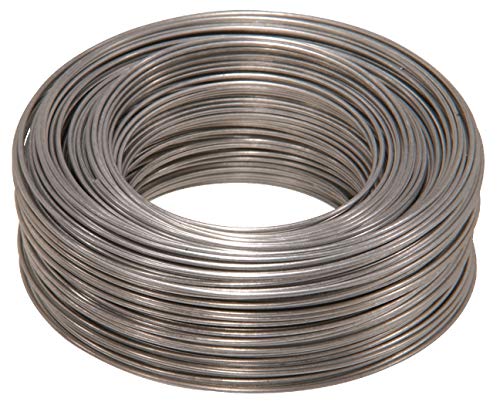
Ashford wires offer a unique middle ground between rigid steel and flexible nylon. They are thin enough to navigate through the tightest of stitch patterns, yet they retain enough memory to hold a circular shape once threaded through the brim of a hat.
They are ideal for knitters who frequently toggle between different hat styles, from slouchy beanies to fitted caps. The thin diameter makes them nearly invisible inside the fabric, which is a major advantage if you are taking photos of your finished work for social media.
Be aware that because they are thinner, they can be slightly more prone to "kinking" if they are bent sharply during storage. Always store these in their original tube to ensure they remain perfectly straight for your next project.
Lacis Blocking Wires: The Classic Professional Set
Lacis has been a staple in the fiber arts community for decades, and their blocking wires are essentially the "tried and true" choice. These are often longer than modern alternatives, making them perfect for blocking multiple items or very large, oversized slouch hats at once.
The longevity of these wires is unmatched; they are a "buy it once" investment. They are heavy-duty, which means they can withstand the tension needed to open up intricate cable stitches that often tighten up during the washing process.
The downside is the lack of portability compared to modern, segmented kits. If you have limited workspace, these long wires can be a bit cumbersome to navigate around a small table or blocking mat.
Susan Bates Knit-Check Wires for Hat Shaping
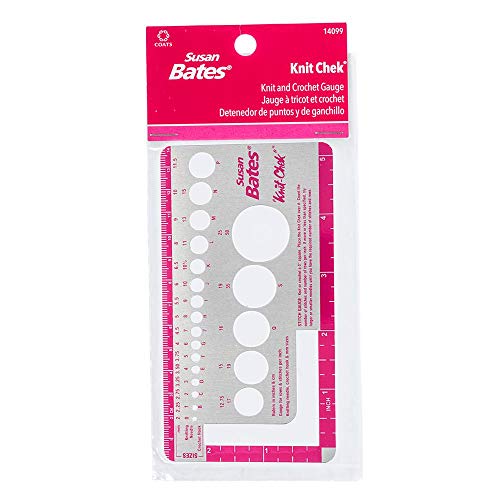
Susan Bates tools are often the first ones a knitter encounters, and their blocking wires are no exception. They are straightforward, functional, and get the job done without any unnecessary bells or whistles.
These wires are excellent for beginners who are just starting to experiment with blocking beyond simple hand-washing and laying flat. They provide just enough structure to ensure your hat doesn’t dry in a lopsided or "pancake" shape, which is a common frustration with new knitters.
While they may not have the premium feel of high-end steel sets, they are incredibly reliable. If you are a casual knitter who only finishes a few hats a year, there is no reason to overspend on professional-grade equipment when these perform perfectly well.
Clover Blocking Wires: Best for Delicate Fibers
Clover is known for their focus on ergonomic and gentle tools, and their blocking wires are no different. They are smooth, snag-free, and designed to protect the integrity of your yarn, especially when working with luxury fibers like silk, alpaca, or mohair.
If you are blocking a hat made of a delicate, haloed fiber, you need a wire that won’t catch on the fuzzy surface. The finish on Clover wires is exceptionally smooth, ensuring that you can thread them through your stitches without pulling or damaging the delicate structure of the yarn.
Keep in mind that these are generally lighter in weight than other options. They are perfect for light-to-medium weight projects, but they may not be the best choice for heavy, dense wool hats that require a lot of force to shape properly.
Why Blocking Wires Are Essential for Hat Shaping
Blocking wires are not just a luxury; they are a structural necessity for achieving a consistent, professional silhouette. Without wires, a hat often dries in a slightly irregular shape, especially if the tension of your knitting varied even slightly throughout the project.
Wires allow you to apply even, distributed pressure along the entire circumference of the hat. This is vital for ribbing, which often looks uneven when it comes off the needles but snaps into a perfect, uniform accordion fold once blocked with wires.
Think of wires as a frame for your art. Just as a canvas needs a frame to hold its shape, your knitted hat needs the support of wires to ensure the stitches settle into their intended, symmetrical position.
How to Properly Thread Wires Through Hat Edges
The key to threading wires is to work slowly and systematically, ensuring you catch the same "leg" of the stitch all the way around. Start by inserting the wire through the very last round of stitches before the bind-off or the very base of the brim.
Avoid the temptation to skip stitches; taking the time to weave through every other stitch ensures the tension is uniform. If you skip too many, you will end up with a scalloped edge rather than a straight, crisp line.
If the wire feels like it is snagging, stop immediately. Use your fingers to gently wiggle the wire through the center of the stitch loop rather than forcing it through the yarn ply, which can cause unsightly pulls.
Avoiding Common Mistakes When Blocking Knit Hats
The most common mistake is over-stretching the fabric. While you want to define the shape, you should never pull the hat so tight that the stitches look distorted or the yarn loses its natural loft and bounce.
Another frequent error is removing the wires before the hat is 100% dry. If you pull the wires out while the yarn is still damp, the hat will likely lose its shape immediately as the fibers settle into their final, slightly relaxed state.
Always ensure your blocking surface is flat and level. If you block a hat on a soft bed or an uneven surface, the weight of the damp yarn will cause it to sag, effectively undoing all the precise work you did with the wires.
Essential Tips for Maintaining Your Blocking Tools
After you finish blocking, always wipe your wires down with a soft, dry cloth to remove any moisture or residual lanolin from the wool. Even stainless steel can develop spots if left damp for long periods in a storage container.
Store your wires in a dry, cool place to prevent any oxidation. If you have a set that comes with a storage tube, use it; it prevents the wires from bending or getting tangled with other knitting notions like stitch markers or cable needles.
If you notice a wire starting to develop a slight bend, straighten it gently with your fingers immediately. Small bends are easy to fix, but if you ignore them, they can become permanent deformations that make it difficult to achieve a straight edge on future projects.
Investing in a quality set of blocking wires is one of the most impactful upgrades you can make to your knitting practice. By taking control of the final shape, you elevate your work from a simple craft to a finished, professional garment. Whether you choose rigid stainless steel or flexible nylon, the act of blocking is a rewarding ritual that celebrates the beauty of your stitches. Take your time, trust your process, and enjoy the satisfaction of a perfectly shaped hat.