6 Best Pom Pom Makers for Decorative Touches
Elevate your crafts with our top six pom pom makers. Discover the best tools to create perfect, uniform decorative accents for all your creative projects.
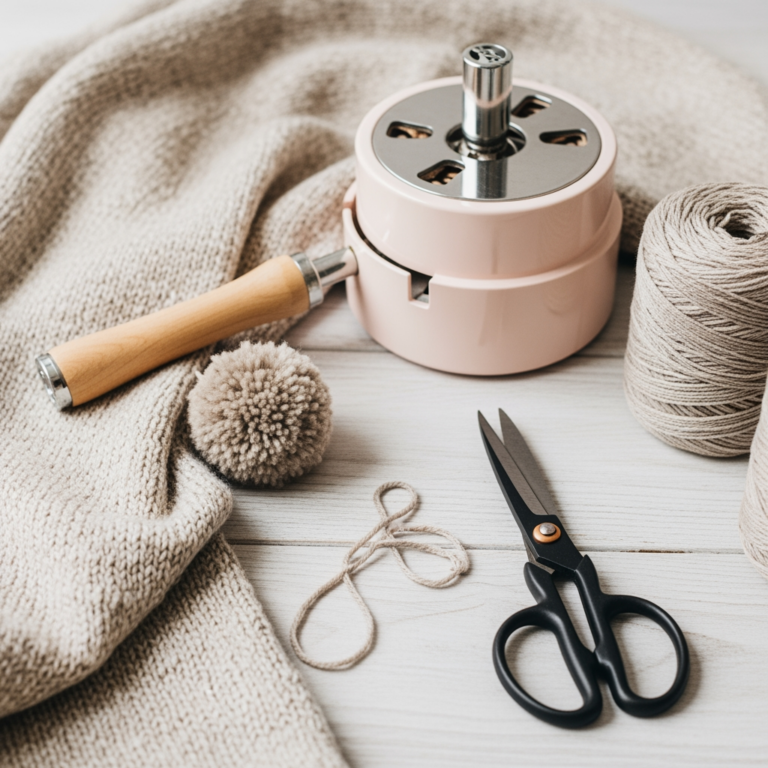
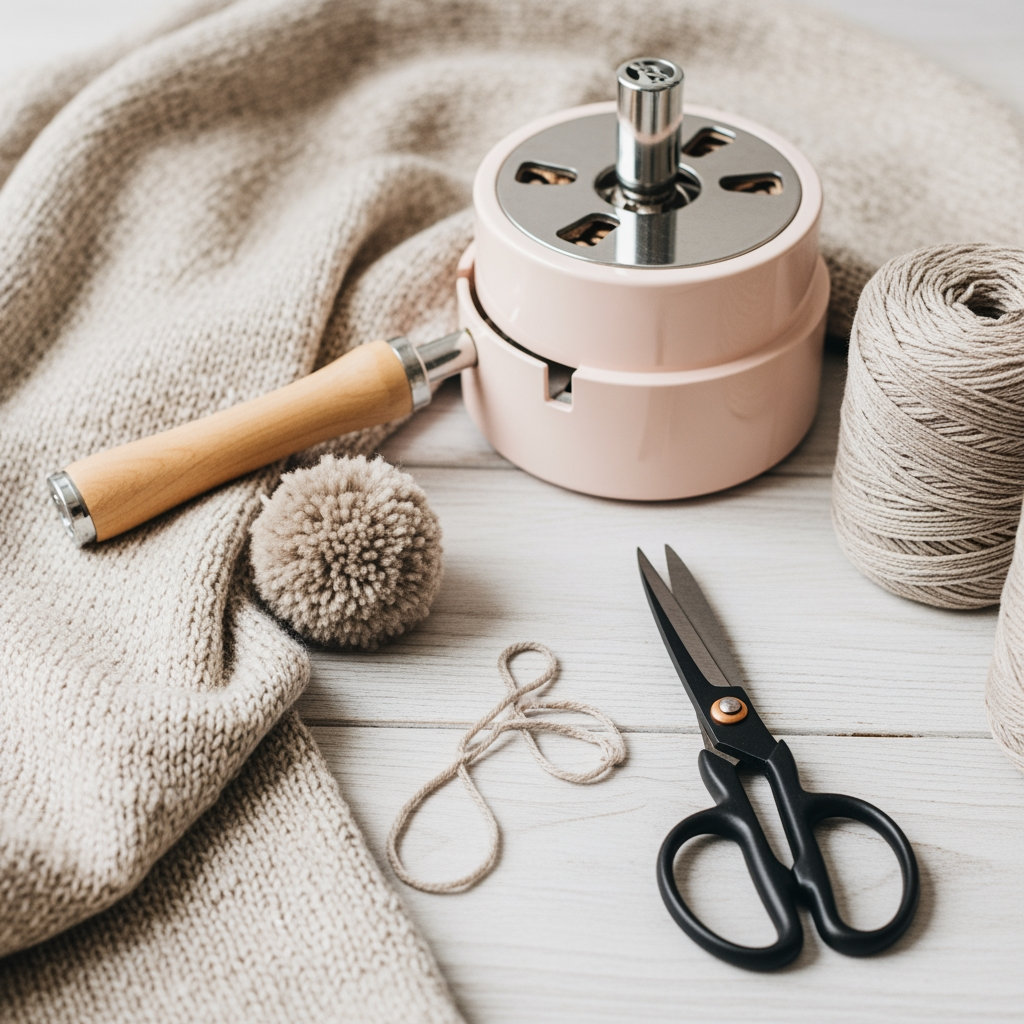
Adding a handmade pom pom to a finished hat or scarf is the ultimate finishing touch that elevates a project from "homemade" to "professional." While you can use a simple piece of cardboard, dedicated pom pom makers offer consistency and speed that save hours of frustration. Whether you are a stash-busting beginner or a seasoned pro, choosing the right tool makes all the difference in achieving that perfectly round, dense finish. Here is a breakdown of the best tools on the market to help you master the art of the perfect pom.
Clover Pom Pom Maker Set: Best Overall Choice


If you have spent any time in a local yarn shop, you have likely seen these iconic green and yellow tools. They are the industry standard for a reason: the hinged design is incredibly intuitive and practically eliminates the guesswork of traditional methods.
The beauty of the Clover system lies in its mechanical precision. Because the arms lock firmly into place, you can wind your yarn with consistent tension, which is the secret to a uniform, symmetrical pom pom.
When you are working with luxury fibers like high-twist merino or delicate alpaca, you want a tool that won’t snag or fray the yarn. These makers are smooth, sturdy, and allow for a clean cut every single time.
Loome Tool: Best for Multi-Craft Versatility

The Loome is more than just a pom pom maker; it is a multi-functional fiber craft tool. It is designed for the maker who loves to experiment with tassels, friendship bracelets, and even small-scale weaving.
If you are someone who keeps a "bits and bobs" basket of leftover luxury yarn, this tool is your best friend. It excels at blending different weights and textures, allowing you to create eclectic, multi-colored pom poms that a standard circular maker might struggle to hold.
However, because it is a multi-purpose tool, it has a steeper learning curve than a single-function maker. It is perfect for the creative who values versatility over the "set it and forget it" ease of a dedicated plastic mold.
Susan Bates Easy Pom Pom Maker: Best for Value

Sometimes you just need a simple tool that gets the job done without any bells or whistles. The Susan Bates maker is an incredibly affordable, straightforward option that is perfect for those who only occasionally add pom poms to their winter beanies.
The design is classic and uncomplicated, making it a great choice for keeping in your travel knitting bag. It doesn’t have the sophisticated locking mechanism of more expensive sets, but it is reliable and gets the job done effectively.
If you are on a budget, don’t feel pressured to buy an entire set of expensive tools. This maker proves that you don’t need a high-end gadget to achieve a professional-looking result on your latest project.
Boye Pom Pom Maker Set: Best for Beginners

If you are new to fiber arts and feeling overwhelmed by the sheer number of tools available, start here. The Boye set is designed with simplicity in mind, featuring clear, easy-to-follow instructions that take the mystery out of the process.
Beginners often struggle with yarn tension, tending to wrap too loosely or too tightly. The Boye maker provides a stable frame that helps you find that "sweet spot" of tension, which is crucial for preventing a sparse or floppy pom pom.
It is a fantastic entry-level tool that bridges the gap between the DIY cardboard method and the more advanced professional plastic tools. It provides a consistent, repeatable result that will boost your confidence as you finish your first few garments.
Lacis Pom Pom Maker: Best for Precision Sizes

When you are working on a project that requires a very specific pom pom diameter—like matching a set of baby booties or a series of decorative ornaments—precision is non-negotiable. Lacis offers a range of sizes that cater to the exacting needs of detail-oriented crafters.
The construction is robust, ensuring that the tool doesn’t flex or bend under the pressure of thick, bulky-weight wool. This stability is vital when you are packing the yarn tight to ensure a dense, high-quality finish.
If you are a perfectionist who wants every pom pom on a garment to be identical, this is the brand to reach for. The sizing is accurate, and the final results look consistently professional.
Prym Pom Pom Maker: Best for Durable Results
Prym is a name synonymous with quality in the sewing and knitting world, and their pom pom maker is built to last. If you are a prolific maker who produces dozens of pom poms a year, you need a tool that can withstand heavy use.
The plastic used in these tools is high-grade and resistant to the wear and tear of frequent opening and closing. You won’t find the hinges getting loose or the plastic warping after a few dozen uses, which is a common issue with cheaper alternatives.
Investing in a durable tool is a smart move if you find yourself constantly reaching for your pom pom maker. It is a one-time purchase that will serve you through years of hat-making and gift-giving.
How to Choose the Best Pom Pom Maker for Your Needs
Choosing the right tool depends entirely on your project frequency and your desire for versatility. If you are a casual knitter, a basic, inexpensive set will serve you perfectly well for years to come.
However, if you are a prolific maker, prioritize the locking mechanism and the material quality. A tool that holds its shape under tension is worth the extra cost because it saves you from the frustration of a pom pom that falls apart during the trimming process.
- Consider the volume: Do you make one pom pom a year or one a week?
- Consider the yarn weight: Are you using delicate lace weight or chunky, super-wash wool?
- Consider your storage: Do you need a compact, multi-purpose tool or a set of dedicated sizes?
Plastic vs. Cardboard: Choosing Your Tool Material
While the cardboard method is a classic "rite of passage" for many knitters, it has significant limitations. Cardboard wears down quickly, especially when you are using scissors to cut through the yarn, leading to uneven edges and inconsistent density.
Plastic makers, by contrast, offer a consistent edge that guides your scissors perfectly. This creates a "template" effect, ensuring that your pom pom is spherical rather than oval, which is a common pitfall of the cardboard method.
Ultimately, plastic is the superior choice for anyone who values time efficiency and professional aesthetics. Cardboard is a great emergency solution, but it shouldn’t be your go-to for high-quality finished work.
Essential Tips for Achieving Perfect Pom Pom Density
The biggest mistake most people make is under-winding the yarn. If you want a dense, luxurious pom pom, you must wind until the tool is almost impossible to close.
The type of yarn you use also impacts density. A high-ply, smooth wool will create a much denser pom pom than a single-ply, fuzzy mohair blend.
- Wind with consistent tension: Don’t pull too hard, but keep the yarn snug.
- Pack it tight: The more yarn you fit, the fuller the pom pom will be.
- Don’t be afraid to mix fibers: Combining a strand of wool with a strand of metallic thread adds texture and depth.
How to Trim and Shape Pom Poms for a Pro Finish
Trimming is where the magic happens. Once you remove the pom pom from the maker, it will look like a messy, uneven ball; don’t panic, as this is completely normal.
Use a pair of sharp, dedicated fabric shears to carefully trim away the excess yarn. Work in small increments, rotating the pom pom constantly to ensure you are creating a perfect sphere.
The secret to a pro finish is to "sculpt" the pom pom rather than just cutting it. By trimming slowly and checking the shape from all angles, you can turn a loose, shaggy ball into a tight, professional-grade accessory.
Mastering the pom pom is a small but mighty skill that adds a professional polish to your knitting repertoire. Whether you choose a versatile Loome or a reliable Clover maker, the key is to prioritize density and careful trimming. Don’t be afraid to experiment with different yarn weights and textures to find your signature style. With the right tool in your kit, you’ll be finishing your hats and scarves with confidence for years to come.