7 Best Wool Brushes For Lint Removal Worth Using
Keep your wool garments pristine with our top seven lint brushes. Discover effective tools that remove fuzz and pilling while preserving delicate fibers.
Every knitter knows the heartbreak of pulling a beloved hand-knit sweater from the closet only to find it covered in unsightly fuzz. Pilling is an inevitable byproduct of friction, but it doesn’t have to be the end of your garment’s lifespan. With the right tools and techniques, you can restore your woolens to their original, stitch-defined glory. Here are the top seven tools I recommend for keeping your knitwear looking freshly blocked.
The Laundress Sweater Stone: Best for Pilling
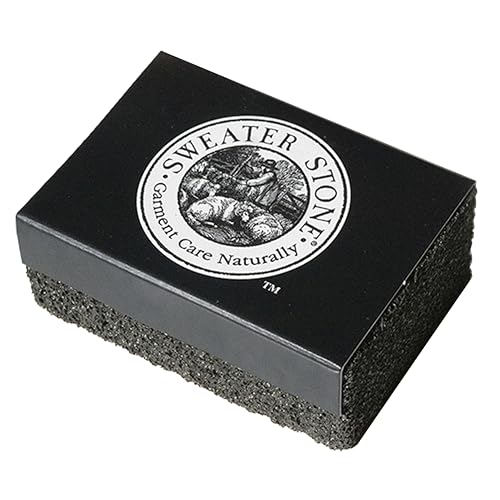

The Sweater Stone is a classic for a reason: it works by gently pulling the loose, tangled fibers away from the surface of the knit. Unlike blades that slice, this porous volcanic rock catches the pills in its textured surface.
It is particularly effective for heavy-gauge wools or rustic, woolen-spun yarns that tend to shed a bit. If you’ve spent weeks working on a chunky cable-knit sweater, this tool allows you to clear the surface without the risk of accidentally catching a stitch or thinning the yarn.
The trade-off here is the mess; it creates a fair amount of fiber dust as it works. Keep your workspace clear and be gentle—a light touch is much more effective than aggressive scrubbing.
Gleener Ultimate Fuzz Remover: Best Versatility
The Gleener is a multi-functional powerhouse that offers three different edges for varying fabric weights. It’s essentially a manual razor system that allows you to swap out heads based on the delicacy of your yarn.
I find this tool indispensable when my wardrobe includes everything from fine fingering-weight lace to heavy, worsted-weight cardigans. You can switch to the gentlest edge for delicate mohair blends, ensuring you don’t compromise the halo of the fiber.
Because it is manual, you have complete control over the pressure applied. It’s perfect for knitters who prefer a tactile experience and want to avoid the potential snagging of electric motors.
Philips Fabric Shaver: Best Electric Option
When you have a large-scale project, like a floor-length wool coat or a blanket, an electric shaver is a massive time-saver. The Philips model uses a rotary blade system that shears pills cleanly away from the fabric surface.
The key to using this safely is to lay your garment completely flat on a hard surface, like an ironing board. Never use it while wearing the sweater, as the blades can easily catch a loose loop of yarn and create a hole.
While efficient, electric shavers can be aggressive on loose, fluffy fibers. Always start on a low-traffic area, like the inside hem, to ensure the blade height isn’t chewing through the structural integrity of your stitches.
Steamery Pilo 2 Fabric Shaver: Best Precision

The Pilo 2 is a more refined take on the electric shaver, designed specifically for delicate textiles. Its precision-engineered blades operate at a speed that is optimized for knitwear rather than heavy-duty upholstery.
This is my go-to for high-end fibers like cashmere or fine merino, where you want to remove the fuzz without creating "bald spots" on the yarn. The design is ergonomic, making it comfortable to hold during long de-pilling sessions.
It is USB-rechargeable, which is a major convenience for those who travel with their knitting. Just remember that even with precision tools, less is more; only remove what is absolutely necessary to maintain the garment’s longevity.
D-Fuzz-It Fabric Comb: Best Portable Choice

The D-Fuzz-It is a simple, no-nonsense comb that fits easily into a project bag. It’s essentially a small plastic tool with a metal mesh edge that rakes across the surface of the knit.
It is the ultimate "emergency" tool for when you’re at a knit night or traveling and notice a stray pill. Because it lacks moving parts or batteries, it is virtually indestructible and always ready to go.
It works best on dense, tightly twisted yarns. If you are working with a very loose, airy gauge, use this with extreme caution, as the metal teeth can catch on individual plies of yarn.
Cocoknits Sweater Comb: Best for Natural Fibers
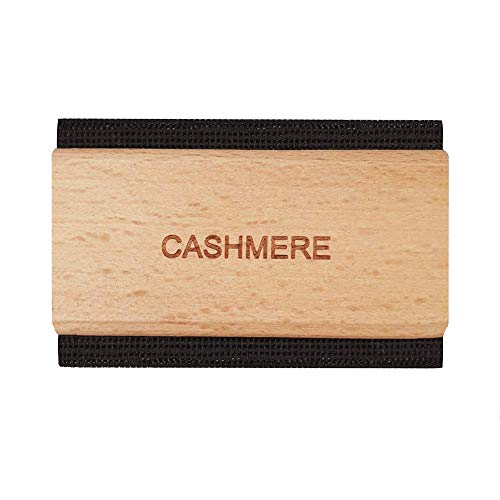
Cocoknits understands the needs of the modern knitter, and their sweater comb is designed with natural, protein-based fibers in mind. It is compact, elegant, and specifically calibrated for the unique texture of wool.
This tool is particularly good for those who are nervous about using sharp blades on their hand-knits. It gently coaxes the pills off the fabric rather than cutting them, which preserves the life of the wool.
It is a fantastic companion for your blocking kit. Once you’ve washed and dried your sweater, a quick pass with this comb ensures the final result looks as professional as a store-bought piece.
Evercare Fabric Shaver: Best Budget Option

If you are new to the world of garment care, the Evercare shaver is an accessible entry point. It is reliable, widely available, and does exactly what it promises without unnecessary bells and whistles.
It’s a great tool to keep in your sewing room for quick touch-ups before gifting a finished project. It handles standard wool blends with ease, making it a workhorse for the average knitter’s wardrobe.
The only downside is the reliance on batteries, so keep a spare set on hand. As with all electric tools, keep the blade guard clean to ensure the motor doesn’t strain and burn out prematurely.
How to Select the Right Tool for Your Knitwear
Choosing the right tool depends entirely on the construction of your yarn and the weight of your fabric. A chunky, single-ply yarn will require a much gentler touch than a tightly twisted, plied wool.
- For delicate fibers (Cashmere, Mohair, Angora): Use manual combs or stones to avoid cutting into the yarn structure.
- For durable, plying wools: Electric shavers are generally safe and highly efficient.
- For loose, airy gauges: Always use a manual tool to minimize the risk of catching a stitch.
Always consider the "halo" of your yarn. If your project has a lot of fuzz by design—like a brushed alpaca—avoid shavers entirely, as they will destroy the intended texture.
Understanding Fiber Types and Pilling Risks
Pilling is a natural occurrence, especially with shorter staple fibers that have not been tightly spun. When fibers rub against each other, they knot together; this is most common in areas of high friction, like under the arms or at the cuffs.
- Superwash Wool: Often more prone to pilling because the treatment process can slightly weaken the fiber scales.
- High-Twist Yarns: Generally resist pilling better than low-twist or "singles" yarns.
- Blends: Synthetic fibers like nylon are often added to wool to increase durability, but they can also hold onto pills more stubbornly.
Recognizing that your yarn choice influences pilling is the first step in managing expectations. If you choose a soft, single-ply yarn for a sweater, accept that it will require more maintenance than a hard-wearing, 4-ply sock yarn.
Essential Tips for Maintaining Your Wool Garments
Prevention is just as important as removal. Always wash your garments inside out to reduce surface friction, and use a gentle wool wash that conditions the fibers rather than stripping them.
Never put your woolens in the dryer. The high heat and tumbling action are the primary causes of both felting and extreme pilling. Instead, lay your garments flat to dry on a mesh rack to allow for proper airflow.
Finally, give your knitwear a "rest" day. Wool fibers are naturally elastic and need time to recover their shape after being worn; rotating your sweaters ensures they stay fresh and reduces the accumulation of friction-induced fuzz.
Maintaining your knitwear is an act of love that honors the hours you spent crafting each stitch. By selecting the right tool for your specific fiber and practicing gentle care, you ensure your hand-knits remain staples in your wardrobe for years to come. Don’t be afraid of a little pilling; it’s simply a sign that your garment is well-loved and well-worn. Happy knitting, and may your sweaters stay as smooth as your stockinette.