6 Best Yarn Swift Covers For Dust Protection
Keep your yarn swift dust-free and ready for use. We explore the 6 best protective covers to preserve your tools and ensure smooth, tangle-free winding daily.
A yarn swift is often the most overlooked mechanical tool in a knitter’s studio, yet it takes the brunt of our yarn-winding marathons. Dust, pet hair, and even stray fibers from your latest mohair project can settle into the moving joints, eventually causing friction and uneven rotation. Protecting this investment is the difference between a smooth winding experience and a frustrating, jerky mess. Here is how to keep your swift spinning as perfectly as the day you unboxed it.
Amish Swift Canvas Cover: Best Overall Protection
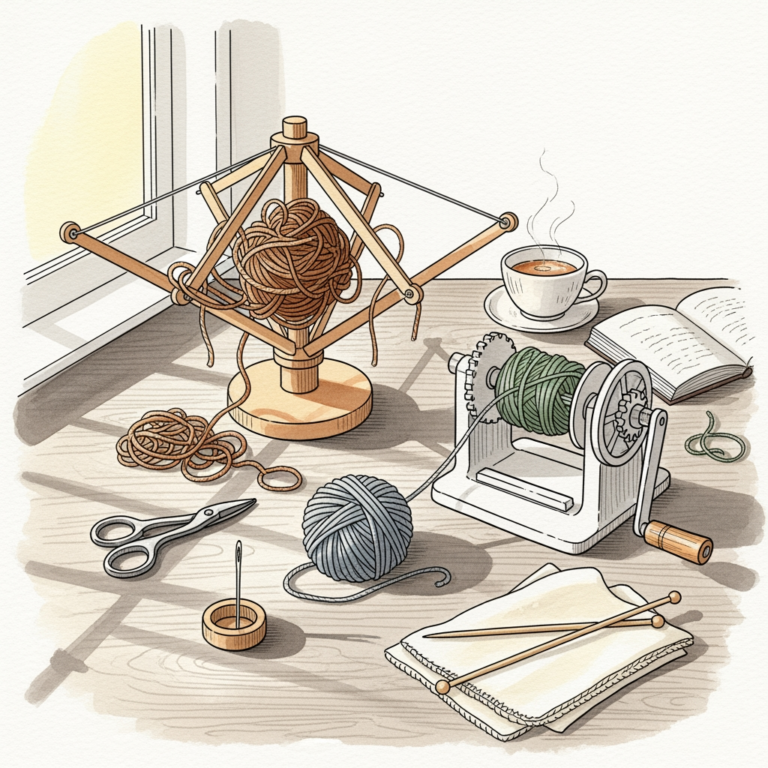
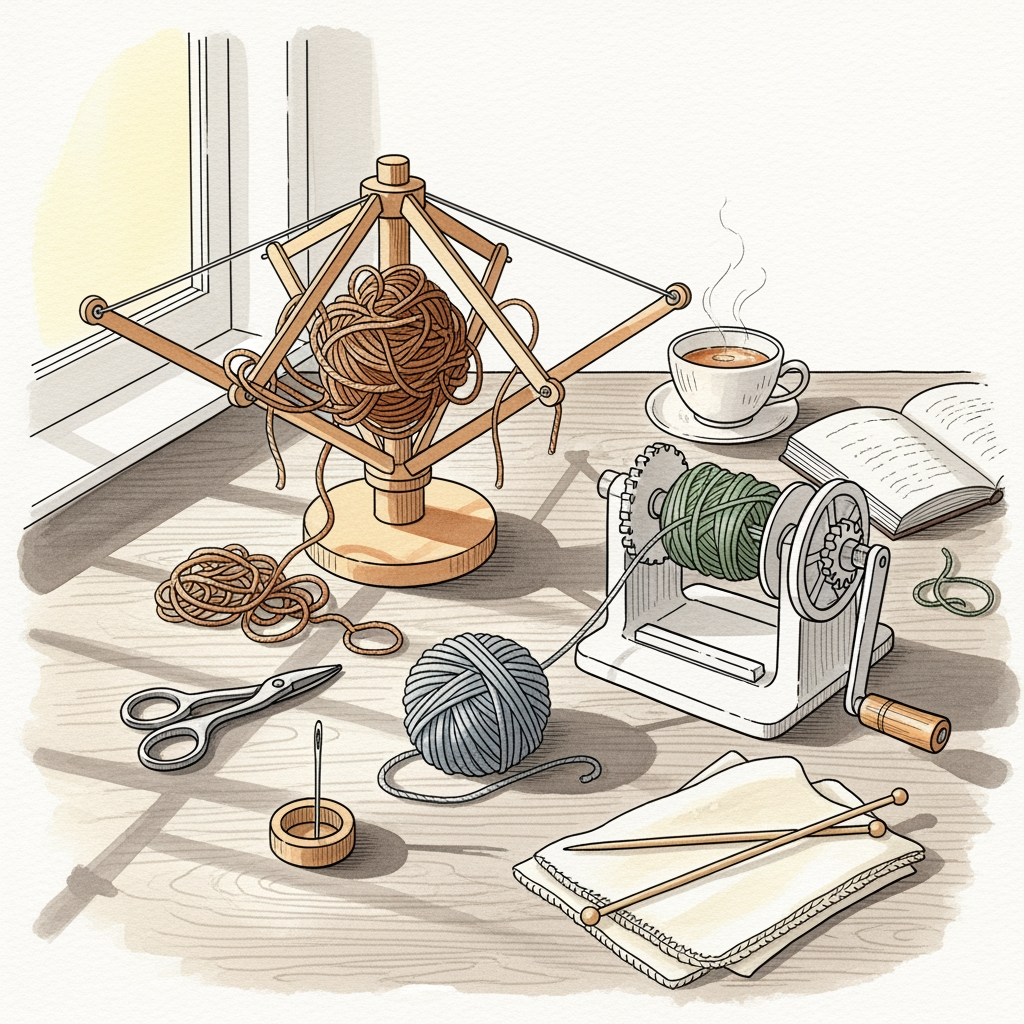
The Amish swift, with its wide, sprawling wooden arms, is a magnet for household dust. Because of its stationary, table-top design, it often sits out long after the winding is done. A heavy-duty canvas cover offers the structural integrity needed to shield these delicate wooden slats from sunlight and debris.
Canvas is the gold standard here because it is breathable yet thick enough to act as a physical barrier against accidental bumps. Unlike plastic, which can trap humidity and potentially warp wood over time, canvas allows for airflow. This is crucial if you live in a climate where seasonal moisture fluctuations are common.
The bottom line: If you have a large, permanent setup, invest in a custom-fit canvas cover. It is the most durable way to ensure your swift stays pristine for years of heavy use.
Stanwood Needlecraft Protective Swift Sleeve
Stanwood swifts are legendary for their smooth, ball-bearing operation, but that precision mechanism is sensitive to grit. A protective sleeve is designed specifically to slide over the collapsed unit, keeping the central hub free from dust buildup. It is a minimalist approach for the knitter who values speed and efficiency.
The sleeve design is particularly effective because it hugs the contours of the folded swift tightly. This prevents the "dust-bunny accumulation" that happens when a cover is too loose and creates a vacuum for debris. It is a low-profile solution that won’t take up extra space on your yarn shelf.
If you are tight on space, the sleeve is your best friend. It keeps the mechanical parts clean without adding unnecessary bulk to your storage bins.
Strauch Fiber Equipment Custom Swift Shield
Strauch equipment is built to last a lifetime, often serving as the centerpiece of a serious fiber studio. Their custom shields are engineered with the same precision as their ball-winders, focusing on complete coverage of the rotating components. These are not one-size-fits-all solutions; they are tailored to the specific dimensions of high-end equipment.


When you are working with expensive hand-dyed yarns, the last thing you want is for a dusty swift to snag a delicate fiber. A custom shield ensures that no part of the wood or hardware is exposed to the elements. It provides a sense of security that protects both the tool and the yarn you are winding.
The takeaway: If you own professional-grade equipment, don’t skimp on the protection. A custom shield is a small price to pay to protect a significant mechanical investment.
Lacis Wooden Swift Dust Cover Case
Some knitters prefer a rigid storage solution that doubles as a protective barrier. A wooden case or rigid cover offers superior protection against physical damage, such as a swift being knocked off a shelf. For those who store their tools in high-traffic areas, this is the most secure option available.
The added benefit of a wooden case is the aesthetic appeal, keeping your studio looking tidy and organized. It hides the mechanical clutter of the swift, turning a utilitarian tool into a piece of decor. It also provides a stable environment that protects the wood of the swift from direct sunlight, which can cause drying and cracking.
Ultimately, a rigid case is the best choice for high-traffic homes. It ensures your swift stays safe from both dust and the occasional clumsy elbow.
Fiber Artist Supply Co. Swift Storage Bag

A soft-sided storage bag from Fiber Artist Supply Co. is perfect for the knitter who needs portability. If you take your swift to knitting retreats or local guild meetings, a dedicated bag is essential. It keeps the swift contained and prevents the various wooden arms from snagging on other items in your gear bag.
These bags are usually made from durable, easy-to-clean fabrics that can be tossed in the wash if they get dirty. They often feature drawstrings or zippers that make access quick and painless. It’s a practical, no-nonsense way to transport your tools without the fear of damaging them in transit.
If you are a traveling knitter, a dedicated storage bag is a non-negotiable accessory. It protects your gear and keeps your project bag organized.
KnitPro Swift Protective Fabric Wrap

The KnitPro wrap is a flexible, fabric-based solution that conforms to the shape of the swift regardless of how it is folded. It is lightweight and easy to manage, making it a great choice for beginners who want simple, effective protection. It doesn’t require a perfect fit to be effective, which makes it very versatile.
This wrap is particularly useful for swifts that have unique hinges or tensioning systems. Because it is flexible, you can adjust the tension of the wrap to ensure a snug fit. It’s an approachable, budget-friendly way to keep your swift clean without needing a custom-made product.
The bottom line: For a versatile, easy-to-use option, the fabric wrap is ideal. It’s perfect for knitters who want quick protection without a complicated setup.
Why Your Yarn Swift Needs Dust Protection
Dust is the silent enemy of any mechanical knitting tool. Over time, microscopic particles settle into the joints of your swift, mixing with lubricants to create a gritty paste. This paste increases friction, leading to uneven rotation and potential snagging of your yarn.
If you are winding a delicate lace-weight wool or a slippery silk, a jerky, dusty swift can actually cause the yarn to snap or tangle. A swift that spins smoothly ensures even tension, which is the secret to a perfect cake of yarn. Protecting the tool is, in effect, protecting the quality of your finished projects.
Essential Features for Swift Storage Covers
When selecting a cover, look for breathable materials like cotton or canvas. Synthetic materials, while cheap, can trap moisture against the wood, leading to mold or warping. You also want a closure system that is easy to operate, as you are more likely to use a cover if it doesn’t feel like a chore.
Consider the fit as well; a cover that is too tight can be frustrating to put on, while one that is too loose will let dust settle inside. Look for reinforced stitching at the stress points, especially if you are using a bag or a wrap that gets handled frequently.
Best Materials for Long-Term Tool Storage
Natural fibers like cotton canvas, linen, or heavy-duty denim are the best choices for long-term storage. These materials are breathable, durable, and naturally resistant to the kind of wear and tear that knitting tools endure. They also don’t off-gas or react with the finishes on wooden swifts.
Avoid cheap, thin plastics or vinyl, as these can become brittle over time and may contain chemicals that react with wood finishes. If you must use plastic, ensure it is a high-quality, archival-grade material that won’t degrade in your storage environment.
How to Maintain Your Swift for Longevity
Beyond covering your swift, you should perform a quick inspection every few months. Wipe down the wooden arms with a soft, dry cloth to remove any surface dust, and check the joints for signs of stiffness. If the swift feels sluggish, a tiny drop of food-safe mineral oil on the pivot points can work wonders.
Always store your swift in a cool, dry place away from direct sunlight. Even with a cover, extreme temperature swings can cause the wood to expand and contract, potentially leading to misalignment. Treat your swift with the same care you give your favorite needles, and it will serve you faithfully for decades.
Taking the time to cover your yarn swift is a small habit that yields huge dividends in the longevity of your tools. By preventing dust buildup and mechanical friction, you ensure that every skein you wind is ready for the needles without a hitch. Choose a cover that fits your storage style, and your swift will remain a smooth, reliable partner in your knitting journey. Happy winding!