7 Best Felt Mats For Non-Slip Surfaces To Use
Discover the 7 best felt mats for reliable, non-slip surfaces. Our guide evaluates top picks for grip, durability, and style to keep your home safe and secure.
Whether you are managing a delicate lace project or organizing a massive stash, a stable workspace is the unsung hero of a productive knitting session. Felt mats provide the necessary friction to keep your notions, stitch markers, and needles from sliding off slick tabletop surfaces. This guide explores the best felt options to elevate your craft room and protect your tools. Investing in the right surface ensures your focus stays on your stitches rather than chasing runaway accessories.
Graf Lantz Felt Desk Pad: Best Overall Selection


The Graf Lantz mat is a staple for those who appreciate high-quality Merino wool. It offers a dense, consistent surface that provides just enough "grab" to keep your needles from rolling away during a quick break.
Its thickness is a major advantage for knitters who work with metal needles, which are notorious for sliding off hard surfaces. The weight of the felt ensures it stays put, even when you are aggressively unrolling a large project or consulting a heavy pattern book.
While it is an investment, the durability of this felt means it won’t pill or fray easily. For a knitter who spends hours at a desk, the natural warmth and tactile feel of the wool make it a joy to work around.
Felt Right Modular Tiles: Best for Custom Spaces

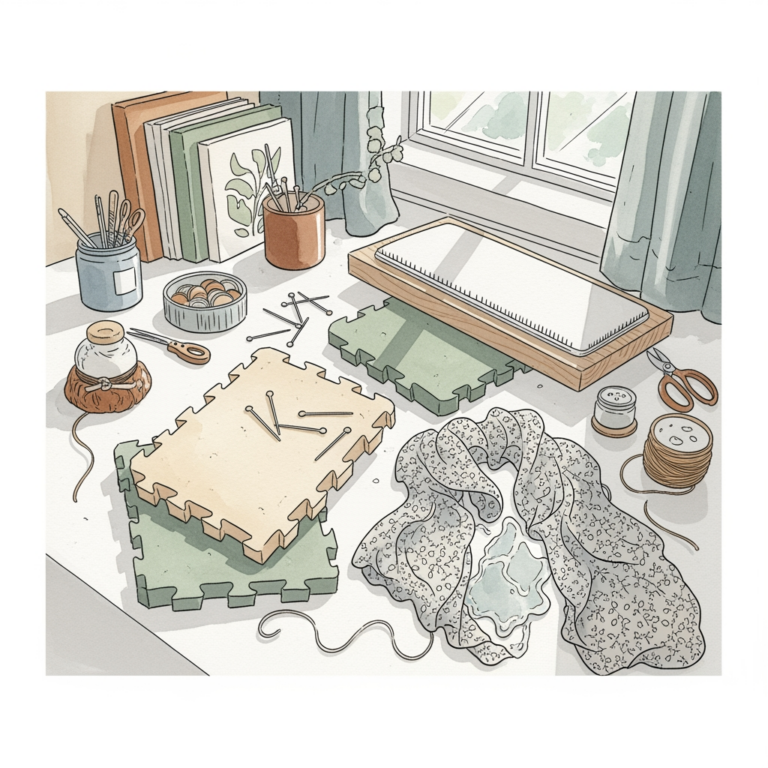
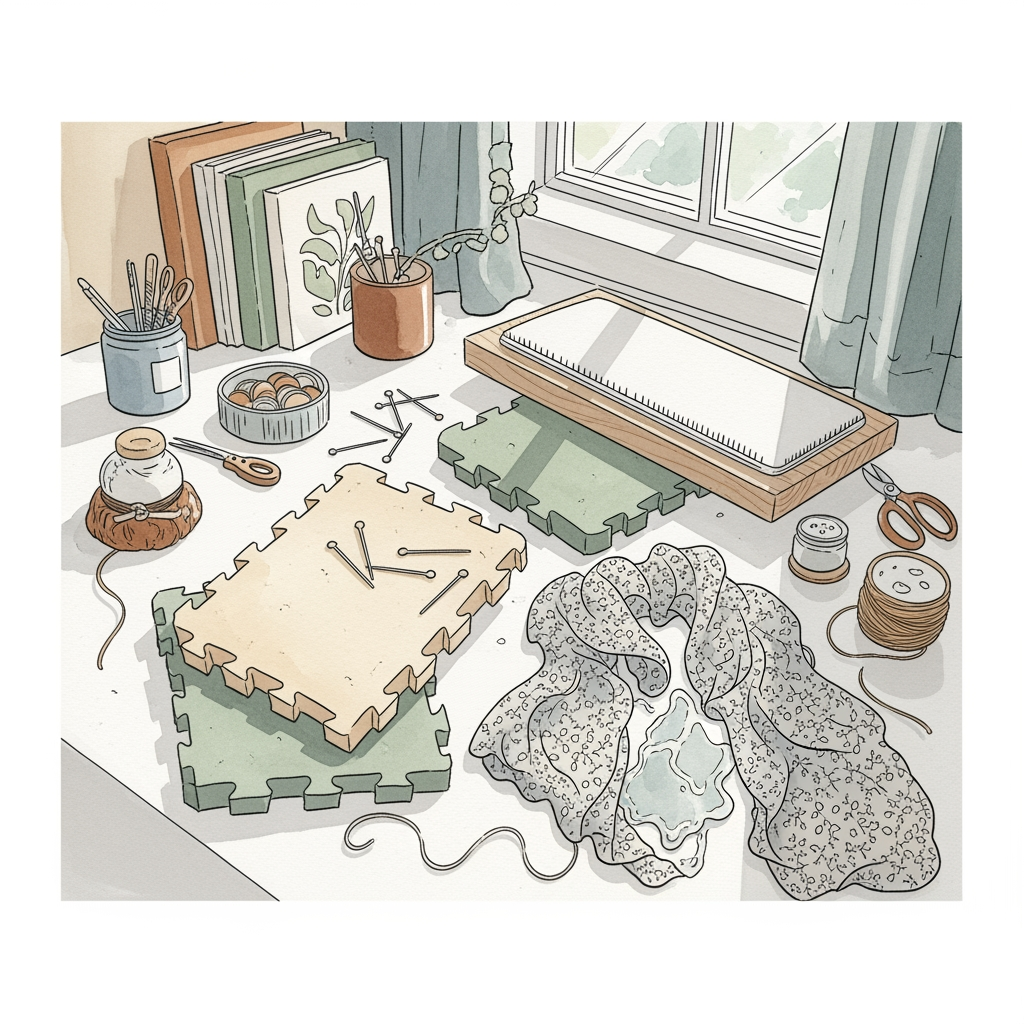
If your knitting setup is unconventional—perhaps a small side table or a corner of a shared desk—modular tiles offer unmatched flexibility. You can arrange these to fit your specific footprint, ensuring no inch of your workspace is left unprotected.
These tiles are fantastic for creating a dedicated "notions zone" where you can keep your tape measure, tapestry needles, and progress keepers. Because they are modular, you can easily add more tiles as your collection of tools grows.
Keep in mind that the seams between tiles can catch small, fine-gauge needles if you aren’t careful. I recommend these for organizing your tools rather than as a primary surface for working on large, heavy garments.
Grovemade Wool Felt Mat: Best Premium Texture

The Grovemade mat features a distinct, high-end texture that feels incredibly refined under your hands. For those who knit with luxury fibers like silk or cashmere, this mat provides a soft, protective landing pad for your delicate projects.
The natural lanolin in the wool gives it a slight grip that is perfect for keeping your yarn cakes from rolling across the table. It is thick enough to dampen the sound of clicking needles, which is a nice perk if you knit while others are nearby.
Be aware that this mat is strictly high-maintenance; it is not meant to be a catch-all for messy craft supplies. Treat it as the centerpiece of your knitting station, and it will serve you well for years.
Delta Felt Desk Pad: Best for Workspace Stability

Stability is the name of the game with the Delta pad, especially if you have a habit of leaning on your desk while working. It stays firmly anchored, preventing the frustrating "creeping" effect that cheaper mats suffer from.
This is an excellent choice for knitters who use heavy, wooden circular needles that tend to slide on glass or laminate desks. The surface is firm, providing a stable foundation for blocking small items like swatches or mittens directly on the desk.
Because the surface is so stable, it’s also a great spot to keep your digital scale for weighing yarn. You won’t have to worry about the mat shifting and throwing off your measurements when you’re calculating yardage.
Submaterial Felt Surface: Best for Large Tables
If you are lucky enough to have a dedicated craft table, the Submaterial felt is a dream come true. It is designed to cover large areas, providing a consistent, non-slip surface for everything from blocking sweaters to organizing multiple projects.
The material is substantial and incredibly durable, handling the weight of heavy yarn stashes and multiple knitting bags with ease. It effectively turns a cold, hard surface into a warm, inviting workspace that encourages longer knitting sessions.
The tradeoff here is the price and the physical space it occupies. This is a permanent solution for a serious knitter, not a temporary fix for a cluttered desk.
Felt Store Adhesive Sheet: Best Budget Choice

Sometimes you don’t need a fancy mat; you just need a reliable, non-slip surface for a specific drawer or tray. These adhesive sheets are perfect for lining the inside of your notions box or a small project basket.
They prevent your stitch markers and needle gauges from sliding around, which saves you from the frustration of hunting for a lost tool. It’s a simple, low-cost way to customize your existing gear without buying a full-sized desk mat.
While they aren’t as plush as the premium options, they are highly functional. If you are just starting your knitting journey and need to organize your basics, this is the most practical place to begin.
Modern Felt Co. Desk Mat: Best Minimalist Style

The Modern Felt Co. mat is perfect for the knitter who wants a clean, uncluttered aesthetic. It is sleek, understated, and does exactly what it promises without any unnecessary bells or whistles.
It works exceptionally well as a neutral background for photographing your finished objects. If you like to share your progress on social media, the consistent, muted texture of this mat makes your hand-knits pop.
It is easy to store when not in use, as it rolls up tightly without losing its shape. This makes it a great choice for knitters who don’t have a permanent craft room and need to pack up their space at the end of the day.
Why Felt Mats Are Essential for Fiber Crafting
Felt mats provide a unique "tooth" that synthetic surfaces lack. When you are knitting with slick nickel-plated needles, they often want to slide right off a smooth desk, which can lead to dropped stitches or bent tips.
A felt surface gently cradles your tools, keeping them exactly where you left them. It also provides a soft landing for your yarn, preventing it from picking up dust or debris that can be found on hard, static-prone surfaces.
Furthermore, the natural insulation of wool helps keep your hands warm during long winter knitting sessions. It’s a small, sensory detail, but it significantly impacts your overall comfort and enjoyment of the craft.
How to Clean and Maintain Your Wool Felt Surfaces
Wool is naturally resistant to dirt, but it does require occasional care to stay looking its best. For light debris, a simple lint roller is your best friend after a long day of knitting with shedding fibers like mohair or alpaca.
If you spill tea or coffee, blot the area immediately with a clean, damp cloth. Avoid scrubbing, as this can cause the wool fibers to felt further or pill, changing the texture of your surface.
Every few months, you can give your mat a light vacuuming with a brush attachment to remove any trapped dust. If you treat your felt mat with care, it will remain a reliable, non-slip companion for years of projects.
Factors to Consider When Choosing a Felt Mat Size
- Workspace Dimensions: Always measure your table before buying; a mat that hangs off the edge will eventually warp.
- Project Scale: If you primarily knit socks, a smaller mat is fine; if you knit sweaters, you need a surface large enough for your blocking boards.
- Needle Material: If you use smooth metal needles, prioritize a thicker, denser felt for maximum friction.
- Portability: Consider whether you need to roll your mat up to take it to a knitting group or if it will stay in one place.
Choosing the right felt mat is about balancing your specific workspace needs with the tactile experience you enjoy while knitting. Whether you prioritize a premium, thick wool or a practical, modular setup, the goal remains the same: creating a stable environment for your stitches. Once you experience the difference a non-slip surface makes, you will wonder how you ever managed your projects without one. Happy knitting, and may your needles always stay exactly where you leave them.