6 Best Water Soluble Stabilizers For Stitching On Knits
Master embroidery on stretchy fabrics. We review the 6 best water-soluble stabilizers for knits to ensure crisp, puckering-free designs every single time.
Stitching onto knit fabrics often feels like a high-stakes balancing act where one wrong move leads to puckering or distorted stitches. When you add embroidery or decorative embellishments to your handmade garments, a water-soluble stabilizer becomes your best insurance policy. These backings provide the necessary structure to prevent your needles from pulling the fabric out of shape, then vanish completely with a quick rinse. Mastering these tools will elevate your finished pieces from "homemade" to professional-grade heirlooms.
Sulky Sticky Fabri-Solvy: Best Overall Stabilizer
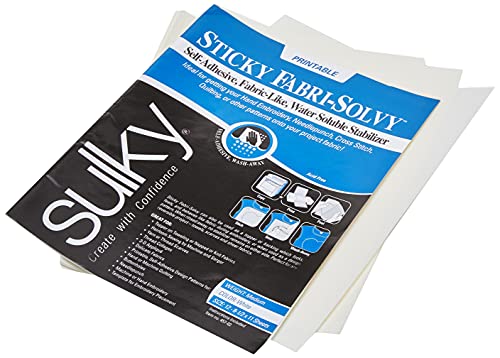

This stabilizer is a game-changer because it features a pressure-sensitive adhesive backing that eliminates the need for messy spray adhesives. When you are working with slippery materials like silk-blend jerseys or rayon knits, having that extra grip ensures your pattern stays exactly where you placed it.
The primary benefit here is the ability to reposition the stabilizer without losing its tackiness. If you are centering a complex motif on a sweater front, you can peel and re-stick the design until it is perfectly aligned with your grainline.
However, be mindful that the adhesive can gum up your needle if you stitch too quickly or through too many layers. A quick wipe of your needle with a bit of rubbing alcohol will keep your stitches crisp and prevent skipped loops.
Pellon 541 Wash-N-Gone: Best Value for Bulk Use

If you are a prolific maker who constantly adds custom labels or monograms to your knit projects, buying by the bolt is the only way to go. Pellon 541 offers a consistent, stable base that behaves predictably across a wide variety of yarn weights.
This stabilizer is essentially a non-woven fabric that feels like paper but dissolves instantly in warm water. It is ideal for "floating"—a technique where you place the stabilizer beneath the fabric without hooping it—to prevent those dreaded hoop marks on delicate fibers like cashmere or merino.
The trade-off for its bulk value is that it lacks the adhesive backing of premium options. You will need to rely on basting stitches or temporary fabric glue to keep it in place, which adds a step but keeps your costs significantly lower.
Dritz Wash-Away Wonder Tape: Best for Precision
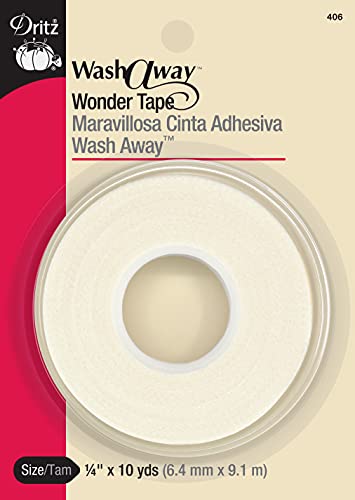
Sometimes you don’t need a full sheet of backing; you just need to keep a small area from shifting while you secure a patch or a delicate lace appliqué. This double-sided, water-soluble tape acts as a temporary basting tool that disappears during your final blocking process.
It is incredibly useful when you are working on small-scale knit accessories, like baby booties or fingerless gloves, where a large sheet of stabilizer would be too bulky to manage. You can place the tape exactly where your embroidery will go, ensuring the knit fabric remains flat and tension-free.
Because it is so narrow, it won’t interfere with the drape of your finished garment. Just remember to wash it out thoroughly, as any residual tape can leave a slight stiffness if not fully dissolved.
Vilene Solufleece: Best for Heavy Embroidery

When you are tackling dense, heavy embroidery on a sweater, you need a stabilizer with significant "heft" to prevent the stitches from pulling the fabric into a puckered mess. Vilene Solufleece is thicker than standard films and provides a sturdy foundation that won’t tear under the pressure of thousands of needle penetrations.
This material has a slightly fuzzy texture that grips the knit fibers, providing a more secure hold than smooth plastic films. It is particularly effective for wool-based knits that have a natural "nap" or texture, as it prevents the stabilizer from sliding around during the stitching process.
Keep in mind that because it is thicker, it requires a bit more water and agitation to remove completely. I recommend a warm soak to ensure every fiber of the stabilizer is gone, leaving your knit soft and flexible.
Madeira Avalon Film: Best for Delicate Lace Knits

Avalon Film is a transparent, plastic-like sheet that is perfect for when you need to see exactly what is happening beneath your needle. It is exceptionally thin, making it the top choice for delicate lace knits where you don’t want to add any unnecessary bulk or weight.
Since it is transparent, you can easily align it with the existing stitch patterns in your knitting. It is also excellent for "topping"—placing a layer of stabilizer on top of the knit fabric to keep the stitches from sinking into the loft of the yarn.
The downside is that it is not as strong as fiber-based stabilizers. If you are doing very dense, heavy embroidery, it may tear prematurely, so it is best reserved for lighter decorative work or fine-gauge projects.
Brother Water Soluble Stabilizer: Best for Hoops

This stabilizer is designed specifically for those who prefer to hoop their knit fabric directly. It has a slight stiffness that helps maintain the tension of the knit without stretching it out of shape, which is a common hazard when working with elastic fabrics.
It is remarkably easy to tear away the excess before washing, which saves you time and reduces the risk of pulling on your stitches. It provides a clean, stable surface that allows your embroidery machine or hand-stitching needle to glide through the fabric with minimal resistance.
For the best results, always ensure your hoop tension is loose. Knit fabric is meant to stretch; if you hoop it too tightly, your finished embroidery will look distorted as soon as you remove it from the frame.
How to Choose the Right Stabilizer for Your Knit
Selecting the right stabilizer depends entirely on the weight of your yarn and the density of your embroidery. A heavy, chunky-knit wool requires a thick, stable backing, while a fine-gauge cotton jersey needs something light and unobtrusive.
- For high-stretch knits: Always use a sticky or iron-on soluble stabilizer to prevent the fabric from "growing" while you stitch.
- For delicate or fuzzy yarns: Use a topper to keep the stitches sitting on the surface rather than disappearing into the fluff.
- For dense designs: Prioritize a tear-away soluble product that can handle high stitch counts without disintegrating.
Always perform a test swatch on a scrap of the same yarn and stitch pattern you used for your project. If the swatch puckers, your stabilizer is too light or your hoop tension is too tight.
Avoiding Fabric Distortion When Hooping Your Knits
Hooping is the most common point of failure when working with knits. Because knits are inherently elastic, they want to return to their original shape after being stretched; if you hoop them tightly, they will snap back and pucker your embroidery once released.
The "floating" method is your best friend here. Instead of hooping the knit, hoop only the stabilizer, then adhere your knit to the top of the stabilizer using a temporary adhesive spray or basting stitches.
This keeps the knit in its relaxed, natural state. When you remove the project from the hoop, you won’t have to deal with the dreaded "hoop burn" or permanent stretching of the fabric fibers.
Tips for Clean Removal Without Damaging Fibers
Removing stabilizer is a ritual that requires patience. Never pull or rip the stabilizer away while the fabric is dry, as this can cause the knit stitches to distort or even snap.
Instead, trim away as much of the excess stabilizer as possible with sharp embroidery scissors. Then, submerge your project in a bowl of warm water and let it soak for at least ten to fifteen minutes.
Gently agitate the fabric to help the stabilizer dissolve into the water. Once the water turns slightly cloudy, rinse the piece in clean, cool water until all the "tackiness" is gone, then lay it flat to dry according to your yarn’s care instructions.
Frequently Asked Questions About Soluble Backing
Q: Will the stabilizer leave a residue on my yarn? A: Most high-quality stabilizers dissolve completely. If you notice a slight stiffness, it usually means you didn’t soak the project long enough or the water wasn’t warm enough to break down the binding agents.
Q: Can I use these on wool? A: Absolutely, but be careful with the temperature. Use lukewarm water rather than hot to avoid accidental felting of your wool fibers during the removal process.
Q: Do I need a stabilizer for hand embroidery on knits? A: If you are doing anything more than a simple surface stitch, yes. Even for handwork, a stabilizer prevents the needle from pulling the knit loops out of alignment and keeps your tension consistent.
Working with water-soluble stabilizers turns the intimidating prospect of stitching on knits into a manageable and rewarding craft. By selecting the right backing for your specific project and treating your fabric with care during the hooping and rinsing phases, you can achieve professional results every time. Remember, the best stabilizer is the one that supports your work without leaving a trace behind. Happy stitching, and may your tension always remain perfectly balanced.