7 Best Blocking Pins For Garment Shaping To Use
Achieve professional garment finishes with our top 7 blocking pins. Discover the best materials and shapes to ensure perfect, precise shaping for your knits.
Blocking is the final, transformative step that turns a collection of stitches into a professional-looking garment. Choosing the right pins is just as critical as selecting the perfect yarn or needle size for your project. A sturdy, reliable set of pins ensures your hard work maintains its intended shape and dimensions while drying. This guide explores the best options on the market to help you achieve a polished, expert finish every time.
Knitter’s Pride Rainbow T-Pins: Best for Stability


When you are blocking a dense wool sweater, you need pins that won’t budge under the tension of the fabric. The Knitter’s Pride Rainbow T-Pins are my go-to for heavy-duty projects that require significant "pull" to open up the stitch pattern.
The T-shape design is the secret here, providing a wide surface area that prevents the pin from sinking into your blocking mat. Because they are color-coded, they also help you track sections of a complex garment, like keeping your sleeve seams aligned.
If you are working with a heavy, multi-ply yarn that has a lot of memory, these pins provide the unwavering stability required to hold the shape. They are a workhorse staple that belongs in every knitter’s kit.
Clover Blocking Pins: Best for Delicate Fabrics

When you transition to fine lace or airy mohair blends, you need a pin that won’t distort or snag your delicate fibers. Clover pins are remarkably smooth, minimizing the risk of catching on a loose ply or splitting a fine strand of silk.
The fine gauge of these pins means they slide into your blocking mat with minimal resistance, which is vital when working with fragile lace. You don’t want to fight your pins while you are trying to coax a delicate picot edge into place.
Because they are so slender, they don’t create large, unsightly holes in your finished work. For anything involving fine-weight yarn or intricate eyelets, Clover pins are the gold standard for preserving the integrity of your stitches.
Cocoknits Stainless Steel Pins: Best Rust-Proofing
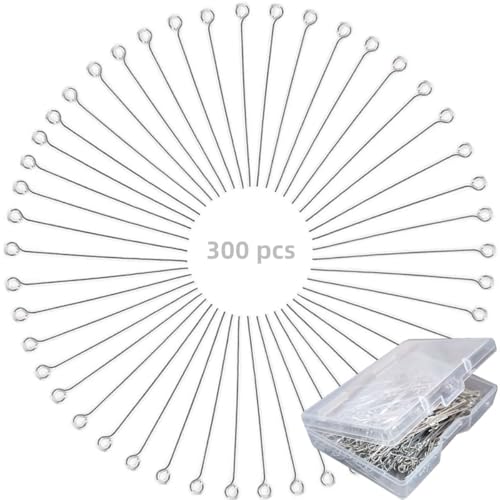
There is nothing more heartbreaking than finishing a beautiful white wool shawl, only to find rust spots on the fabric after blocking. Cocoknits Stainless Steel pins eliminate this fear entirely because they are designed to withstand moisture without reacting.
When you are wet-blocking—soaking your garment and pinning it out to dry—the pins stay in the damp fabric for hours, sometimes days. Choosing stainless steel is a simple, proactive measure to protect your project from permanent damage.
These pins are an investment, but they offer long-term peace of mind. If you frequently block light-colored natural fibers, you cannot afford to skip this level of protection.
Mindful Collection T-Pins: Best for Precision Work

Precision is the difference between a garment that looks "handmade" and one that looks "hand-knit." The Mindful Collection pins are engineered for knitters who treat every stitch as a deliberate design choice.
These pins feature a slightly thinner shaft than standard T-pins, allowing for tighter, more accurate placement along a seam or edge. This is particularly helpful when you are trying to match up stripes or intricate stranded colorwork patterns.
If you struggle with uneven edges or find that your seams look slightly "off" after blocking, the extra control here is a game-changer. They offer the surgical precision needed for high-stakes finishing work.
Tulip Plastic Head Pins: Best for Easy Handling

If you have arthritis or find that metal-headed pins are difficult to grip, Tulip plastic-head pins offer a much-needed ergonomic solution. The larger, smooth plastic heads are easy to grab, push, and pull, even after a long session of pinning.
Blocking can be physically taxing on the hands, especially when you are working on a large garment like an adult-sized cardigan. These pins reduce the strain on your fingers, making the process much more comfortable.
They are also highly visible, which means you are less likely to leave one behind in your fabric. For the knitter who values comfort and visibility, these are an excellent, user-friendly choice.
Boye Nickel-Plated T-Pins: Best Budget Option

You don’t need to spend a fortune to get a functional set of pins that will last for years. Boye Nickel-Plated T-Pins are the classic, reliable choice that most of us started with, and they still hold their own today.
They are widely available and offer a consistent, sturdy performance for standard projects like scarves and hats. While they lack the premium finish of stainless steel, they are perfectly adequate for most acrylics or superwash wools that don’t require long-term moisture exposure.
If you are building your kit on a budget, these pins provide exceptional value. They get the job done without any unnecessary bells or whistles.
KnitIQ Blocking T-Pins: Best for Heavy Garments
KnitIQ pins are designed with a focus on length and thickness, making them ideal for thick, bulky sweaters or heavy blankets. When you have a lot of weight pulling against your pins, you need something that won’t bend under the pressure.
These pins are specifically crafted to hold their shape, ensuring that your heavy garments don’t "creep" or lose their dimensions while drying. They are long enough to penetrate deep into thick mats, providing a secure anchor.
When you are working with chunky, high-twist yarns, KnitIQ pins provide the structural support you need. They are essential for any knitter who loves working with heavier weights.
Essential Factors for Choosing Your Blocking Pins
- Project Weight: Match the pin thickness to the yarn weight; use heavy pins for bulky wools and thin pins for lace.
- Fiber Content: Always use stainless steel if you are working with light-colored, moisture-sensitive fibers.
- Hand Comfort: If you have hand fatigue, prioritize pins with larger, ergonomic heads.
- Blocking Surface: Ensure your pins are long enough to reach through your garment and into the base of your blocking mat.
Why Material Matters: Steel vs. Plastic Pin Heads
The head of your pin might seem like a minor detail, but it significantly impacts how you handle your fabric. Plastic heads provide better grip and are easier to spot, which is a major safety benefit if you have pets or children nearby.
Conversely, metal-headed pins are often more durable and less likely to snap off if they get caught in your storage bag. Metal heads also allow for a slimmer profile, which prevents them from catching on adjacent stitches while you are working.
Ultimately, your choice should depend on your dexterity and project type. If you are working on a large, flat surface, the grip of a plastic head is a luxury; if you are working on tight, intricate curves, the slimness of a metal head is superior.
Pro Tips for Achieving Perfect Garment Symmetry
To achieve professional results, always measure your garment against your schematic before pinning it down. Use a tape measure to ensure that your length and width measurements are consistent across both sides of the garment.
Start by pinning the corners and the center points of your garment to establish the shape, then fill in the gaps with additional pins. This "anchor-point" method prevents the fabric from skewing or stretching unevenly during the process.
Finally, remember that blocking is not a rescue mission for poor knitting; it is a finishing technique. While it can smooth out minor tension issues, it cannot fix major mistakes in your stitch count or shaping.
Selecting the right blocking pins is a small but vital investment in the longevity and appearance of your hand-knit garments. By matching your tool to the weight of your yarn and the specific needs of your project, you ensure that every stitch is showcased to its best advantage. Take the time to experiment with these options, and you will find that a well-blocked sweater is truly the hallmark of a master knitter. Happy knitting, and enjoy the satisfaction of a perfectly finished piece.