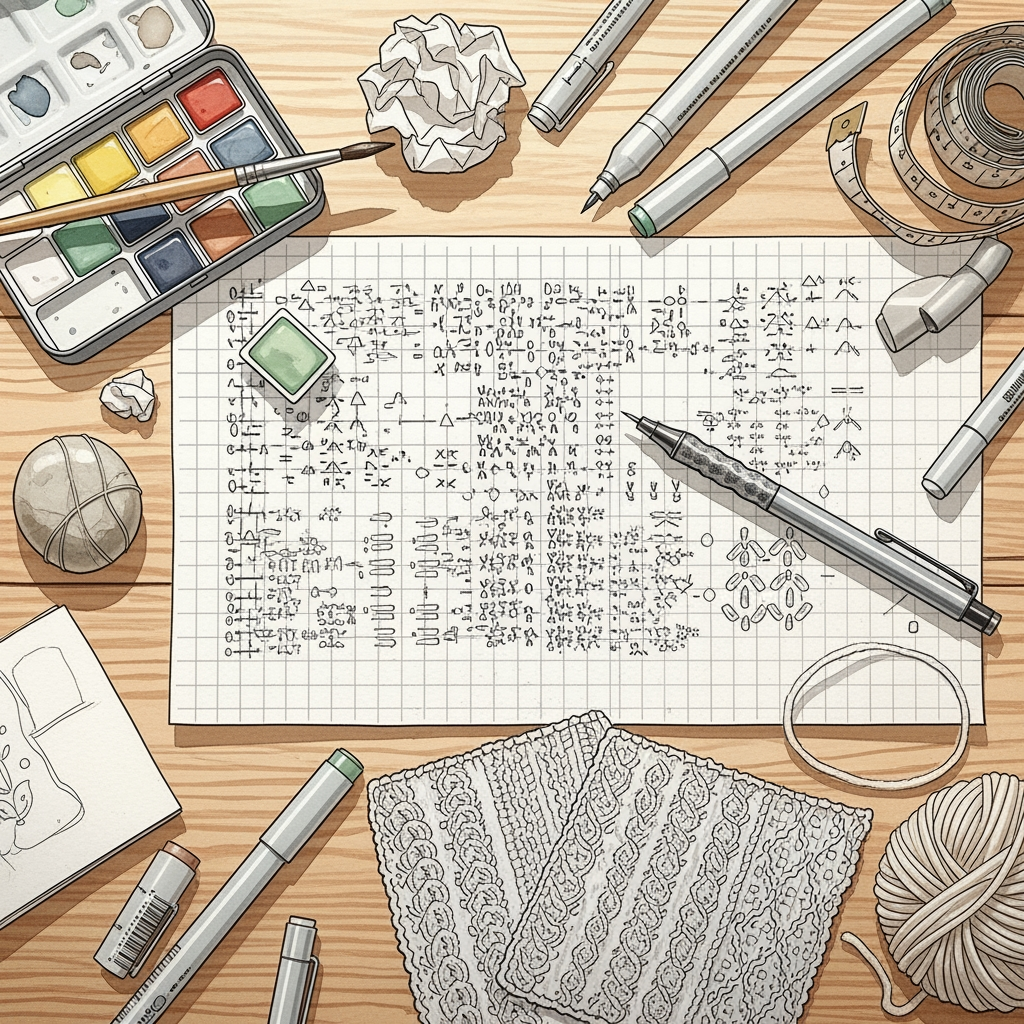
7 Best Pattern Clips For Keeping Charts Open
Struggling to keep your patterns open? Discover 7 top-rated clips that secure your charts, improve focus, and make every knitting project easier to manage.
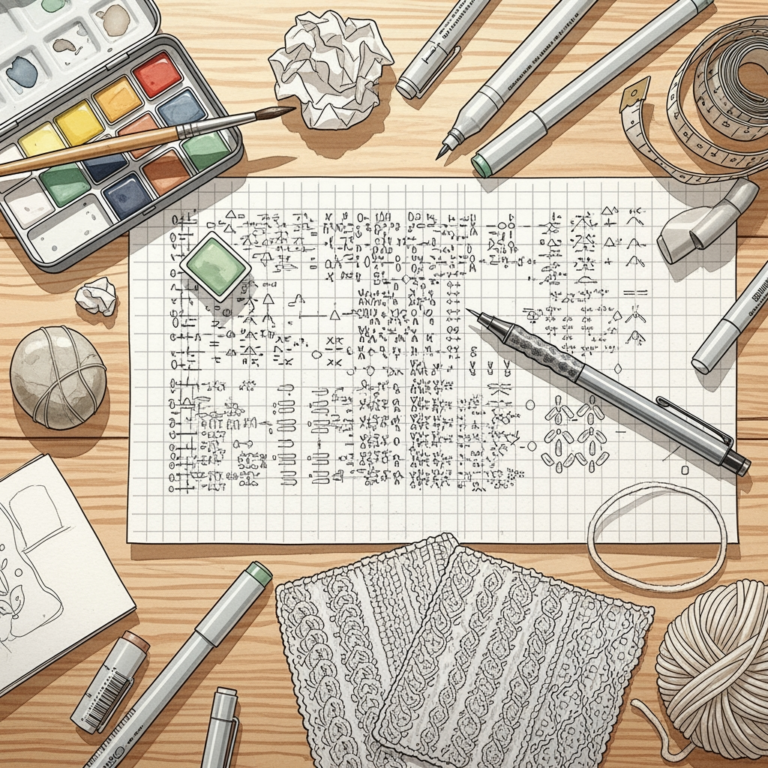
Keeping your place in a complex lace chart while your hands are busy with yarn is one of the most frustrating challenges a knitter faces. Without the right tools, your eyes can easily skip a row, leading to costly mistakes that are difficult to tinsel out. These seven pattern clips are designed to keep your focus on the stitches rather than fighting with a curling paper chart. With the right clip, you can maintain your rhythm and ensure your project stays on track from cast-on to bind-off.
Cocoknits Maker’s Clips: Best Overall for Charts
The Cocoknits Maker’s Clips are essentially the gold standard for those who prefer a minimalist, highly functional workspace. They are designed with a soft, rubberized coating that prevents them from sliding off slick laminated charts or tearing delicate paper edges.
These clips are particularly useful when you are working on a project with multiple charts, such as a top-down sweater with varying stitch patterns. Because they are low-profile, they won’t get in the way if you need to move your pattern around your lap while knitting.
The bottom line here is versatility; they are gentle enough for fragile vintage patterns but strong enough to hold a thick stack of pages together. If you only buy one set of tools for your chart management, make it these.
KnitPro Magnetic Pattern Holder: Best for Stability


If you have ever had a chart flip over or blow away in a light breeze, you know the value of a magnetic system. The KnitPro holder uses a strong magnetic strip that acts as both a physical anchor and a row-tracking guide.
This is a game-changer for those who struggle with "lost-row syndrome" during long knitting sessions. By placing the magnet directly under the row you are working on, you create a visual barrier that keeps your eyes locked exactly where they need to be.
While this system is less portable than a small clip, the stability it offers is unmatched for complex lace or intricate cable charts. It is the best choice for a dedicated knitting nook where your pattern stays put.
Clover Jumbo Wonder Clips: Best for Thick Patterns

Don’t let the name fool you; these aren’t just for sewing quilts. Clover Jumbo Wonder Clips are incredibly useful for knitters who print their patterns on cardstock or use heavy-duty binders to keep their projects organized.
These clips have a flat base, meaning they won’t wobble or tip over when you set your pattern down on a side table. They provide a wider clamping surface than traditional binder clips, which helps prevent the "puckering" that can occur when you clip multiple pages together.
They are ideal for holding thick, multi-page pattern booklets open without damaging the spine. If you prefer to keep your patterns in a heavy-duty folio, these are your best bet.
Bohin Extra Large Clips: Best for Firm Grip

Bohin is a brand synonymous with precision, and their extra-large clips offer a grip that is virtually immovable. If you are working in an environment where your pattern is subject to movement—like knitting on a train or a long car ride—these will keep it secure.
The tension on these clips is quite firm, which is perfect for heavy paper. However, be cautious when using them on thin, lightweight printer paper, as the strength of the spring can occasionally leave indentations or small tears.
They are the "heavy lifters" of the knitting world. Use them when you need to ensure your chart stays open regardless of how much you move your project bag.
Tulip Knitting Pattern Clips: Best for Precision
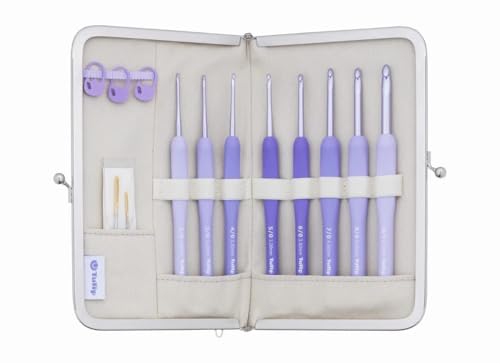
Tulip is famous for their high-quality manufacturing, and these clips are no exception. They are designed with a sleek, ergonomic shape that feels intentional and refined in the hand.
These clips excel when you are working with small, detailed charts, such as those found in sock knitting or intricate stranded colorwork. Because they are compact, they allow you to clip the pattern close to the active row without obscuring the surrounding stitches or symbols.
They are a fantastic choice for the knitter who values aesthetics alongside performance. They are reliable, unobtrusive, and built to last through years of intense project cycles.
Della Q Chart Keeper Clips: Best for Portability

Della Q understands the lifestyle of a traveling knitter better than almost anyone. Their clips are designed to be lightweight, slim, and easily tucked into a project bag without snagging on your yarn.
These clips are perfect for the knitter who takes their project everywhere. They are small enough that you can leave them clipped to your pattern even when you fold it up to slide into your bag, saving you time when you sit down to start your next row.
If you are a commute-knitter or someone who frequently visits local yarn shop meetups, these are essential. They provide just enough hold to keep a pattern flat without adding unnecessary bulk to your kit.
HiyaHiya Large Bulldog Clips: Best for Heavy Duty

Sometimes, you just need a tool that works without any fuss. HiyaHiya’s bulldog-style clips offer a classic, no-nonsense grip that is perfect for pinning a pattern to a clipboard or a stiff backing board.
These are particularly useful if you prefer to use a magnetic board that isn’t magnetic enough on its own. A couple of these clips at the top of your chart will ensure that even the heaviest paper stays perfectly flat against your workspace.
They are durable, inexpensive, and incredibly effective. While they lack the "knitting-specific" branding of other tools, their utility in a craft room is undeniable.
Why Pattern Clips Are Essential for Lace Knitting
In lace knitting, every yarn-over and decrease is a vital part of the architectural integrity of the fabric. If you lose your place in a 20-row repeat, it can take hours of "tink-ing" (knitting backward) to correct the mistake.
Pattern clips allow you to isolate the specific row you are working on, effectively turning a dense, overwhelming chart into a single, manageable line of instructions. This reduces cognitive load, allowing you to focus on the tension of your stitches rather than decoding the chart.
Furthermore, lace often requires a specific gauge to ensure the motifs open up correctly during blocking. By keeping your pattern secure and flat, you are less likely to fidget with the paper, which keeps your hands focused on maintaining the consistent tension required for a professional finish.
How to Choose the Right Clip for Your Chart Style
The right clip depends largely on how you interact with your patterns. If you use a digital tablet, you obviously won’t need these, but for those of us who prefer paper, consider the weight and size of your documentation.
- For thin, delicate paper: Choose clips with rubberized tips or wider, gentler clamping surfaces to avoid tearing.
- For heavy cardstock or binders: Opt for high-tension clips like the Bohin or Clover Jumbo options.
- For travel: Prioritize low-profile, lightweight clips like the Della Q or Tulip models.
Always consider the "snag factor" as well. If you are working with delicate mohair or high-twist merino, ensure your clips are smooth and free of sharp metal edges that could catch on your yarn fibers.
Tips for Organizing Your Complex Knitting Patterns
Organization is just as important as the clips you use. I recommend using high-quality sheet protectors for your charts, which allow you to use dry-erase markers to track your progress directly on the plastic.
When you use sheet protectors, you can use any of the clips mentioned above to secure the entire sleeve to your workspace. This keeps your original pattern pristine and allows you to reuse it for future projects.
Finally, keep a small "notions pouch" inside your project bag dedicated solely to your clips and row counters. If your clips are always in the same place, you will never find yourself hunting for them when you finally sit down for that well-deserved evening of knitting.
Finding the right pattern clip is a small investment that pays massive dividends in your knitting confidence and speed. Whether you choose the reliable grip of a bulldog clip or the refined precision of a Tulip, the goal remains the same: to remove the friction between you and your stitches. Experiment with these options, see which one fits your unique knitting style, and get back to the joy of making. Happy knitting, and may your charts always stay perfectly in place.