6 Best Shuttle Sticks For Beginner Weaving
Master weaving with our top 6 shuttle sticks for beginners. Learn how these essential tools improve tension, speed, and precision in your first loom projects.
Stepping into the world of weaving can feel as overwhelming as choosing the right needle size for your first lace project. While the loom gets all the glory, the shuttle is the true extension of your hand as you pass weft through the warp. Finding the right tool early on prevents frustration and keeps your rhythm consistent as you build muscle memory. Here are six reliable shuttles that will help you master the shed with confidence.
Schacht Flip Rigid Heddle Shuttle: Best Overall
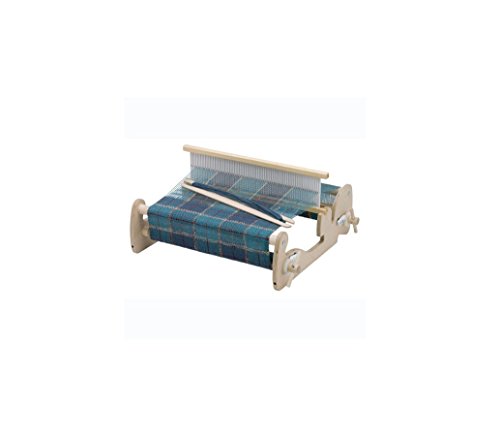

This shuttle is a staple for a reason, striking the perfect balance between weight and maneuverability. It is designed specifically to glide through the shed of a rigid heddle loom without catching on the warp threads.
The wood is smooth and finished to a high standard, which is critical when working with delicate fibers like alpaca or high-twist wools. If you have ever felt a needle snag on a loose ply of yarn, you know how vital a snag-free surface is to your sanity.
Because it is relatively thin, it doesn’t crowd the shed, allowing you to pass it through even when your tension is a bit tight. The bottom line: This is the most versatile choice for a beginner’s first project, whether you are weaving a thick wool scarf or a light cotton towel.
Ashford 11-Inch Boat Shuttle: Top Ergonomic Pick
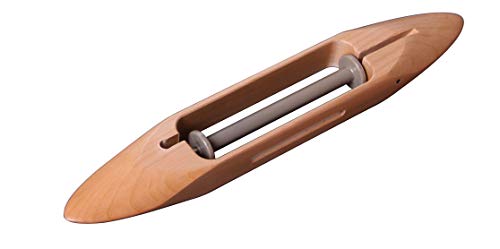
Boat shuttles are a step up from stick shuttles because they carry a bobbin, allowing you to weave much longer lengths without stopping to reload. The Ashford 11-inch model is compact enough for beginners but sophisticated enough to last a lifetime.
The ergonomic shape fits naturally in the palm, reducing hand fatigue during long weaving sessions. If you’ve ever experienced hand cramping while working on a complex colorwork project, you’ll appreciate how this shuttle balances in the hand.
It does require you to learn how to wind a bobbin, which is an extra step compared to a simple stick shuttle. However, the efficiency gain is undeniable once you get the hang of it. The bottom line: Choose this if you plan on weaving larger yardage and want to avoid constant stops.
Kromski 12-Inch Flat Shuttle: Best Budget Option
If you are just dipping your toes into weaving, you don’t need to break the bank to get started. The Kromski flat shuttle is simple, effective, and gets the job done without any unnecessary bells and whistles.
It is essentially a thin, flat piece of wood with notched ends, making it incredibly easy to wind yarn around. Because it is so flat, it is excellent for beginners who are still struggling with keeping their shed wide enough to pass a bulky shuttle through.
The trade-off is that it lacks the refined finish of more expensive tools, so you might want to give it a light sanding if it feels a bit "grabby" with sticky yarns. The bottom line: This is an honest, no-frills tool perfect for testing the waters without a major investment.
Glimakra Stick Shuttle: Best for Narrow Warps
When working on narrow projects like bookmarks, belts, or narrow bands, a large shuttle often feels like trying to knit a sock with size 10 needles—it’s just too much tool for the job. The Glimakra stick shuttle is slim and agile.
Its narrow profile allows you to navigate tight spaces with precision, ensuring you don’t accidentally pull at your edge threads. This is crucial for maintaining a clean, straight selvedge, which is the hallmark of a professional-looking piece.
Because it is so slender, it doesn’t hold as much yarn, meaning you will be winding your weft more often. The bottom line: If your projects are small and detail-oriented, this shuttle provides the control you need to keep your edges tidy.
Leclerc 15-Inch Stick Shuttle: Most Durable Build
Leclerc has been a powerhouse in the weaving world for decades, and their 15-inch stick shuttle feels like it could survive a century of use. It is made from high-quality wood that is dense, sturdy, and resistant to warping.
The length is ideal for mid-sized looms, providing enough reach to pass the shuttle through in one smooth motion. A longer shuttle can feel awkward at first, but once you master the "throw," it significantly speeds up your weaving pace.
Be aware that the extra length adds a bit of weight, which might feel slightly cumbersome if you are weaving with very fine, lightweight yarns. The bottom line: Invest in this if you want a tool that will remain a reliable workhorse in your studio for years to come.
Harrisville Designs Plastic Shuttle: Best for Kids
Weaving is a fantastic skill for younger makers, but wooden shuttles can be delicate and prone to splintering if dropped or mishandled. The Harrisville Designs plastic shuttle is virtually indestructible.
It is lightweight and features a smooth, injection-molded surface that won’t snag even the most textured or "hairy" yarns. This is a great choice for beginners of any age who are still learning how to handle their tools without being overly cautious.
While it lacks the tactile warmth of a wooden tool, it is perfectly functional and very easy to clean. The bottom line: For a worry-free experience or a classroom setting, this is the most practical and durable option available.
Understanding Different Weaving Shuttle Designs
Shuttles generally fall into two categories: stick shuttles and boat shuttles. Stick shuttles are simple, flat, or slightly curved pieces of wood that you wrap yarn around, much like a giant needle.
Boat shuttles are more complex, housing a bobbin that spins to release yarn as you weave. Think of the stick shuttle as a simple knitting needle and the boat shuttle as a sophisticated circular needle set—one is for simplicity, the other for efficiency.
- Stick Shuttles: Best for beginners, easy to use, and great for changing colors frequently.
- Boat Shuttles: Best for long projects, faster weaving, and maintaining consistent tension.
How to Size Your Shuttle for Your Loom Width
A common mistake is buying a shuttle that is either too short to reach across the loom or so long that it hits your loom frame. As a rule of thumb, your shuttle should be at least 2-3 inches longer than the width of your warp.
If you are weaving on a 10-inch rigid heddle loom, an 11 or 12-inch shuttle is perfect. If you go too long, you’ll find yourself constantly bumping into the loom sides, which is frustrating and can ruin your rhythm.
Conversely, if the shuttle is too short, you’ll have to reach deep into the shed to catch it, which can cause you to pull on your warp threads and distort your project. The bottom line: Measure your weaving width before you buy.
Essential Maintenance Tips for Wooden Shuttles
Wooden shuttles are natural tools and require a little love to stay smooth. If you notice the wood feeling "fuzzy" or catching on your yarn, it’s time for a quick tune-up.
Use a very fine-grit sandpaper (400 grit or higher) to gently buff the surface until it feels glass-smooth again. Once sanded, you can apply a tiny amount of beeswax or a food-safe wood oil to protect the grain and keep it gliding effortlessly.

Avoid leaving your shuttles in direct sunlight or damp areas, as wood can expand and contract, potentially causing the shuttle to warp or crack. The bottom line: A well-maintained shuttle is a joy to use; treat it like your favorite pair of wooden knitting needles.
Common Weaving Mistakes When Using New Shuttles
The most common error for beginners is over-winding the shuttle, which makes it too bulky to pass through the shed comfortably. Keep your yarn wraps flat and even, rather than bunched up in the middle.
Another mistake is pulling the weft too tight at the edges, which creates a "draw-in" effect where your fabric narrows significantly. Always angle your shuttle when you pass it through the shed, creating a slight "bubble" of yarn before beating it into place.
Finally, don’t be afraid to try different shuttles as your skills grow. Just as your preference for needle material—bamboo, metal, or wood—evolves, so too will your preference for shuttle weight and shape. The bottom line: Keep your tension loose and your shuttle movements fluid, and your fabric will improve immediately.
Choosing the right shuttle is about balancing your current skill level with the type of projects you hope to create. Whether you opt for the simplicity of a stick shuttle or the efficiency of a boat shuttle, the best tool is the one that feels comfortable in your hand. Take your time, experiment with different weights, and enjoy the rhythmic process of creating fabric from thread. Happy weaving!