6 Best Machine Cleaning Brushes For Lint Removal
Keep your machines lint-free with these top six cleaning brushes. Discover the best tools to improve performance, prevent fire risks, and extend equipment life.
Every knitter knows that a machine running smoothly is the difference between a meditative afternoon and a troubleshooting nightmare. Fiber dust, yarn bits, and microscopic debris accumulate in your needle beds faster than you might realize. Neglecting this buildup leads to dropped stitches, inconsistent tension, and eventually, mechanical failure. Keeping your machine clean is the single most important habit for ensuring your projects turn out as beautiful as you intended.
Singer Lint Brush: Best Overall for Knitting Machines


The Singer lint brush is a staple for a reason, acting as the quintessential "all-rounder" in any machine knitter’s toolkit. Its bristles are stiff enough to dislodge stubborn fiber remnants but gentle enough to avoid scratching the delicate metal surfaces of your needle beds.
When you are working with high-shedding fibers like mohair or unspun wool, you’ll find that lint accumulates rapidly around the needle latches. This brush excels here because its ergonomic design allows for a firm grip, letting you clear the entire bed in a few quick passes.
While it is not a precision instrument for deep internal cleaning, it is the tool you will reach for 90% of the time. It strikes the perfect balance between bristle density and flexibility, making it the most reliable choice for daily maintenance.
Brother 413344001 Cleaning Brush: Top Pick for KH
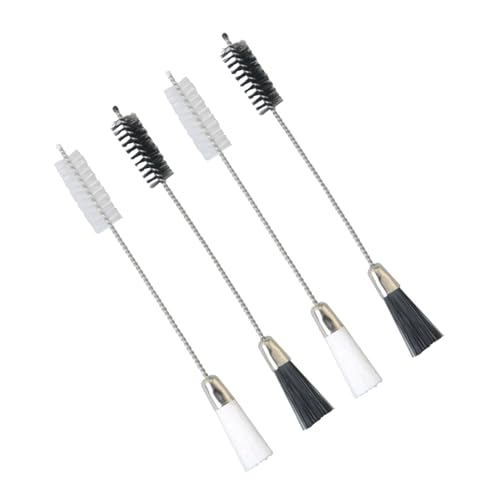
If you use a Brother knitting machine, the 413344001 is essentially an extension of your own hand. Designed specifically for the KH series, its shape is engineered to fit perfectly into the channels of the needle bed without forcing the bristles.
This brush is particularly effective when you are transitioning between projects. If you’ve just finished a garment in a dark, fuzzy wool and are switching to a light-colored cotton, you need to be certain no stray fibers are left behind to contaminate your new work.
The long handle provides excellent leverage, allowing you to reach the back of the needle bed without straining your wrists. It is a purpose-built tool that minimizes the risk of bending needle latches while maximizing cleaning efficiency.
Knitmaster Accessory Brush: Best for Precision Work

Sometimes, you need to get into the tightest corners where the main brush simply cannot reach. The Knitmaster accessory brush is smaller and more focused, making it ideal for clearing out the cam box or the spaces between individual needle dividers.
When working with intricate lace patterns, even a tiny speck of debris can cause a needle to hang up, resulting in a disastrous dropped stitch. This brush allows for surgical precision, ensuring that the critical moving parts of your carriage remain completely unobstructed.
Do not be fooled by its small size; it is incredibly durable. It is the best choice for those moments when you are performing a deep clean of your carriage tracks or clearing out the sinkers.
Silver Reed Cleaning Tool: Essential for Maintenance

The Silver Reed cleaning tool is designed with the unique architecture of their modern machines in mind. It is slightly more rigid than generic brushes, which is a massive advantage when dealing with heavy, oily residue that can build up over time.
If you use a lot of synthetic yarns or superwash wools that have been treated with finishes, you may notice a sticky film developing on your needles. This tool is robust enough to scrub that film away without damaging the protective coating on the metal.
It is a no-nonsense, utilitarian piece of equipment. Keep this in your primary maintenance kit alongside your machine oil; they are the two components that will keep your machine running for decades.
Passap Needle Bed Brush: Best for Heavy Lint Build
Passap machines are legendary for their precision, but their complex needle bed layout can be a magnet for heavy debris. This specialized brush is designed to sweep across the entire bed in one fluid motion, lifting out compacted lint that other brushes might just push deeper.
If you are a heavy user who knits daily, you know that the "dust bunnies" inside a Passap can quickly affect your gauge. Using a brush that is too soft will fail to move this dense accumulation, leading to uneven knitting tension.
This brush is stiff and dense, providing the mechanical force necessary to clear the tight tolerances of a Passap bed. It is an investment in the longevity of your machine’s complex internal movements.
Generic Nylon Detail Brush: Best Budget Friendly

You don’t always need a branded tool to get the job done, and a generic nylon detail brush is a fantastic addition to your collection for pennies on the dollar. These are often sold in packs and are perfect for keeping at different workstations.
Because they are inexpensive, you can dedicate one to dry dusting and another to applying small amounts of solvent or cleaning fluid. They are also gentle enough to use on plastic components where a stiffer brush might leave micro-scratches.
While they may not have the ergonomic curve of a branded tool, their versatility and low cost make them an essential "disposable" option. Just ensure the bristles are soft nylon, not a harsh plastic that could mar your machine’s finish.
Why Regular Cleaning Extends Knitting Machine Life
Your knitting machine is a precision instrument, much like a sewing machine or a high-end camera. When lint, dust, and fiber debris settle into the needle grooves, they act like sandpaper, wearing down the metal surfaces every time the needle moves.
Furthermore, lint absorbs the lubricating oil you apply to your needles, turning it into a sludge that attracts more dust. This cycle of buildup increases friction, which forces your carriage to work harder and can cause premature wear on the cam box.
By cleaning regularly, you aren’t just tidying up; you are preventing mechanical fatigue. A clean machine is a quiet machine, and it will reward you with years of consistent, reliable performance.
How to Safely Remove Fiber Debris from Needle Beds
The most important rule in machine maintenance is to never use force. When removing debris, always brush in the direction of the needle movement to avoid snagging the latches or bending the delicate needle hooks.
If you encounter a stubborn clump of fiber, use a pair of tweezers to gently lift it away rather than trying to scrub it out. For the needle beds themselves, a soft, dry brush should be your first line of defense before resorting to any liquid cleaners.
Always remember that less is more when it comes to cleaning fluids. Too much oil or solvent can attract even more lint, creating a worse problem than the one you started with.
Recommended Cleaning Frequency for Daily Knitters
If you are a daily knitter, you should perform a "quick sweep" of your needle beds after every project or every 5,000 stitches. This prevents the daily accumulation from becoming a hardened, compacted mess that is much harder to remove later.
A deeper, more thorough cleaning—including removing the needles to clear the channels—should be done once every few months, or whenever you notice the carriage movement feeling slightly sluggish. If you are working with fuzzy fibers like angora or mohair, increase your frequency accordingly.
Establish a routine that pairs cleaning with your project start-up. Treating your machine to a quick brush-down before you cast on is the best way to ensure your knitting day begins on a positive note.
Essential Tool Kits for Knitting Machine Maintenance
A complete maintenance kit is more than just a brush; it is a collection of tools that keeps your machine in factory condition. Alongside your lint brushes, you should always have a high-quality machine oil, a lint-free cloth, and a pair of fine-tipped tweezers.
Consider adding a small, soft-bristled paintbrush for dusting the outer casing and a magnet tool for retrieving dropped needles or screws. These items don’t take up much space, but they can save you hours of frustration during a major project.
Keep your tools organized in a dedicated box near your machine. When your maintenance supplies are easily accessible, you are far more likely to use them, ensuring your machine stays in top shape for every cast-on.
Maintaining your knitting machine is an act of care that directly translates into the quality of your finished garments. By selecting the right brushes and adhering to a consistent cleaning schedule, you protect your investment and ensure your machine remains a joy to use. Remember that every minute spent cleaning is a minute saved on troubleshooting later. Happy knitting, and may your needles always glide with ease!