6 Best Blocking Pins For Lace Blocking You Should Try
Discover the best blocking pins for lace projects. Our guide reviews 6 top-rated options to help you achieve professional, crisp results with every piece.
After spending hundreds of hours perfecting the tension of a complex lace shawl, the last thing you want is a lackluster finish that hides your hard work. Blocking is the final, transformative step that breathes life into your stitches, opening up eyelets and smoothing out uneven gauge. Choosing the right pins is not just about convenience; it is about protecting your fiber investment from rust, snags, and distortion. Here is my curated guide to the best blocking pins to ensure your finished lace looks professional every time.
Knitter’s Pride Stainless Steel T-Pins: Best Overall


These T-pins are the workhorse of the knitting world for a reason. They provide a sturdy, reliable anchor that holds firm even when you are exerting significant tension on a larger shawl.
The T-shape design is their greatest strength, allowing you to easily push them into your blocking mats without hurting your fingers. Because they are made of stainless steel, they offer a smooth surface that won’t catch on delicate mohair or silk fibers.
If you are a prolific lace knitter who blocks projects regularly, these are your best investment. They balance durability with ease of use, making them the most versatile choice for almost any weight of yarn.
Clover Rust-Resistant Blocking Pins: Best for Lace
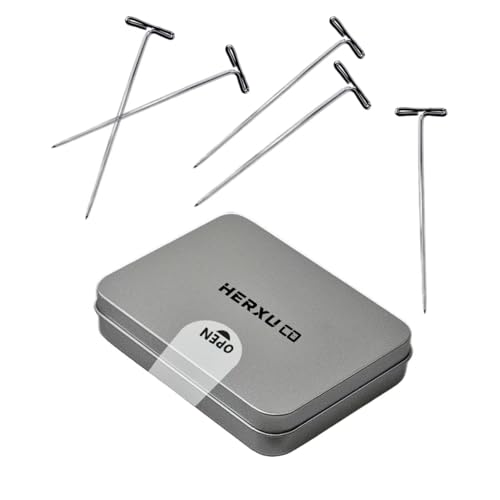
When you are working with light-colored lace, the last thing you want to see is a faint orange stain appearing on your project overnight. Clover’s pins are specifically engineered to resist rust, which is a game-changer for long-term blocking.
These pins are slightly finer than standard hardware-store T-pins, making them ideal for delicate lace where you need to pin through precise eyelets. They glide through the yarn without splitting the plies, which is essential when working with high-twist merino or luxury blends.
They are a bit more expensive than bulk options, but the peace of mind is worth every penny. For your heirloom-quality lace, never settle for pins that might leave a permanent mark.
Dedicated Knitters Blocking Combs: Best for Speed

Blocking combs are a revolutionary tool for anyone who dreads the tedious process of pinning out a large, rectangular scarf. Instead of placing dozens of individual pins, you simply press a comb into the mat to secure a long edge in one motion.
These are particularly effective for projects with long, straight edges or simple geometric lace patterns. By securing more stitches at once, you achieve a more uniform tension across the entire width of the piece.
However, they can be overkill for intricate, circular, or highly shaped lace shawls. I recommend keeping a set of these for your scarves and blankets, while reserving individual pins for your more sculptural designs.
Susan Bates Steel T-Pins: Best Budget Choice

Sometimes, you just need a massive quantity of pins without breaking the bank. Susan Bates offers a classic, no-frills steel T-pin that gets the job done without any unnecessary bells or whistles.
These are excellent for beginners who are just building their toolkit and don’t want to invest heavily in specialized equipment yet. They are sturdy enough to handle heavy wools, though you should always check for burrs on the tips before using them on delicate fibers.
Because they are a budget-friendly option, they may be prone to rusting if left in a damp environment. Always ensure your project is completely dry before removing them, and store them in a moisture-free container.
Cocoknits Stainless Steel Pins: Best for Precision
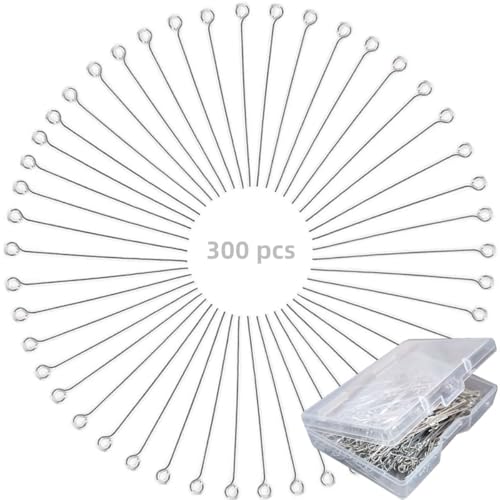
Cocoknits has designed these pins with a focus on ergonomics and high-quality materials. They feel substantial in the hand, and the smooth finish ensures that even the stickiest alpaca or angora fibers won’t snag during the blocking process.
These pins are slightly shorter than traditional T-pins, which makes them perfect for smaller projects or for blocking on a tabletop rather than a floor mat. They are remarkably sharp, allowing for pinpoint accuracy when you need to stretch a lace point to its absolute limit.
If you value precision and appreciate tools that feel like a luxury to use, these are a fantastic choice. They turn a chore into a refined, tactile experience.
Tulip Etimo Tapestry Pins: Best for Delicate Fibers
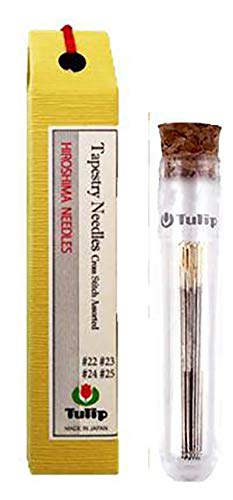
Tulip is legendary for their needle-making expertise, and their tapestry pins reflect that same attention to detail. These are incredibly smooth, which is the most important factor when you are pinning expensive hand-dyed lace yarns.
The material is high-quality steel that resists bending, even when under tension. They are exceptionally fine, which allows you to pin through the center of a stitch without distorting the surrounding fabric.
If you are working with lace that has a high silk content or is prone to pilling, these pins are a must-have. They minimize friction, ensuring your delicate fibers remain pristine throughout the blocking phase.
Why Blocking Pins Matter for Your Finished Lace
Blocking is the bridge between a "homemade" look and a professional, finished garment. When you pin out your lace, you are essentially training the fiber to hold its shape, which is why the quality of your pins directly impacts the result.
Cheap, blunt pins can tear your yarn or create uneven tension points that ruin the symmetry of your lace. Conversely, high-quality, sharp pins allow you to manipulate the fabric gently, ensuring that every eyelet is perfectly shaped and every point is crisp.
Think of your pins as the final needles you use to "knit" your project into its final form. Just as you wouldn’t use low-quality needles for your knitting, you shouldn’t compromise on the tools used for the finish.
Understanding Pin Material and Rust Prevention
The biggest enemy of a finished lace project is rust, which can ruin hours of work in a matter of hours. Always prioritize stainless steel or nickel-plated pins to avoid oxidation caused by the moisture in your wet-blocked fabric.
Even with rust-resistant pins, it is a good practice to never leave your project pinned for longer than necessary. Once the piece is completely dry, remove the pins promptly to allow the fibers to relax and settle into their new shape.
If you live in a humid climate, store your pins with a small packet of silica gel to keep them dry. This simple step will significantly extend the life of your tools and keep your lace projects safe from unsightly stains.
Essential Techniques for Perfect Lace Blocking
The secret to perfect lace blocking is not just in the pins, but in the tension you apply. Start by pinning the center points of your project first, then work your way out toward the edges to ensure the lace is stretched evenly.
Do not overstretch your lace; you want to open up the stitches, not distort them into an unnatural shape. Use a measuring tape to ensure that your points are equidistant from the center, which will give your project that professional, symmetrical look.
If you are blocking a complex shawl, use more pins than you think you need. Placing pins closer together prevents "scalloping" between the pins, resulting in a much cleaner, straighter edge.
Frequently Asked Questions About Blocking Tools
How many pins do I really need? For a standard shawl, I recommend having at least 100 pins on hand. It is always better to have a few extra than to run out halfway through a delicate lace section.
Can I use glass-headed pins? While they are pretty, glass-headed pins can be heavy and may cause your lace to sag if you are pinning vertically. Stick to T-pins or flat-headed steel pins for better stability.
Is there a difference between blocking mats and towels? Yes, blocking mats are porous and allow air to circulate through the back of your project, which speeds up drying time significantly. Towels can trap moisture against the fabric, which increases the risk of mold or rust.
Investing in the right blocking pins is one of the most practical upgrades you can make to your knitting practice. By choosing tools that respect the integrity of your yarn and provide the precision you need, you ensure that every lace project reaches its full potential. Remember that blocking is a meditative process, so take your time, enjoy the transformation, and let your stitches shine. Happy blocking!