7 Best Silicone Grippers For Needle Changing Tested
Tired of slippery needle changes? We tested 7 top silicone grippers to find the best tools for precision, comfort, and safety. Discover our expert top picks.
Nothing ruins the flow of a complex lace project like a needle tip that unscrews mid-row. Interchangeable needles are a marvel of modern knitting, but they require a secure, tool-assisted connection to remain stable. These seven silicone grippers are the unsung heroes that prevent frustrating mid-project hardware failures. Here is the breakdown of the best tools to keep your cables and tips firmly locked together.
ChiaoGoo Rubber Gripper Hearts: The Gold Standard
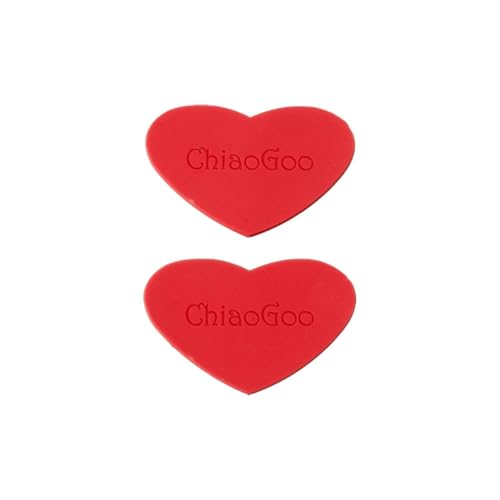

ChiaoGoo’s heart-shaped grippers have become the industry benchmark for a reason. Their unique shape provides a natural ergonomic resting place for your thumb and forefinger, allowing you to apply firm, even pressure without straining your joints.
The rubberized material is tacky enough to grab onto even the slickest stainless steel tips. Because they are relatively thin, they don’t add unnecessary bulk, making them easy to tuck into a notions tin or a small project bag.
If you struggle with hand fatigue or arthritis, these hearts offer the best leverage-to-comfort ratio. They are the gold standard because they simply work every single time.
Knitter’s Pride Silicone Heart Gripper Tool Set

Knitter’s Pride offers a very similar aesthetic to the ChiaoGoo hearts, but with a slightly different density in the silicone. These are often slightly firmer, which some knitters prefer when working with very small, slippery needle diameters.
They provide excellent friction, ensuring that you can get a tight seal between the cable and the needle join. If you are prone to over-tightening your needles, these provide enough grip to undo those stubborn connections later on.
These are a fantastic, affordable option for keeping in multiple project bags. You’ll never regret having a backup pair stashed away when you’re working on a long-term sweater project.
Addi Needle Grippers: Best for Smooth Metal Tips

Addi needles are known for their incredibly smooth, high-quality finishes, which can sometimes make them difficult to grip during a change. These grippers are specifically designed to provide the extra traction needed for those polished surfaces.
The material is slightly more pliable than others, conforming perfectly to the shape of the needle tip. This prevents the tool from slipping while you apply the torque necessary to tighten the threading.
If you exclusively use Addi Click systems, these are your best companion. They are engineered to handle the specific diameter and finish of the Addi range with ease.
Lykke Interchangeable Needle Gripper Pad Set

Lykke needles often feature beautiful, smooth wooden finishes that can be surprisingly slick. These gripper pads are designed with a larger surface area, which helps distribute pressure more evenly across the delicate wood.
Unlike the heart-shaped grippers, these pads are flat and offer a wider contact patch. This is particularly helpful if you have larger hands or find small hearts difficult to manipulate.
They are also incredibly durable and resistant to the natural oils found in your hands. A quick wipe keeps them grippy for years of regular use.
HiyaHiya Needle Grips: Best for Tight Connections
HiyaHiya connections are famously precise, and they require a solid grip to ensure the cable doesn’t snag your yarn. These grips are designed to provide maximum friction without damaging the needle finish.
They are particularly effective for knitters who use the "tighten and check" method frequently. Because they are small and unobtrusive, you can keep them right on your workspace without them getting in the way.
If you find that your cables are constantly loosening, the high-friction surface of these grips will solve the problem. They provide the necessary bite to ensure a perfectly seamless join.
Clover Soft Touch Needle Gripper Discs Review

Clover takes a minimalist approach with their soft-touch discs. They are thin, flexible, and surprisingly effective at providing the friction needed to twist metal or bamboo needle tips.
Because they are flat and disc-shaped, they are the most portable option on this list. You can slip them into a wallet or a tiny notions pouch without even noticing they are there.
They are an excellent choice for the "minimalist" knitter. While they lack the ergonomic bulk of the heart-shaped tools, they perform the essential task of tightening connections perfectly.
Susan Bates Yarn and Needle Grip Essentials

Susan Bates has been a staple in the knitting world for decades, and their gripper tools reflect a no-nonsense design philosophy. These grips are utilitarian, durable, and designed to last through years of heavy knitting.
They are particularly useful for beginners who are still learning how much pressure is required to secure a needle. The material is robust and doesn’t tear easily, even if you accidentally catch it on a needle point.
If you want a tool that you can throw into your bag and forget about, this is it. They are reliable, affordable, and do exactly what they claim to do.
Why You Need Grippers for Interchangeable Needles
Interchangeable needles rely on a threaded connection that can naturally vibrate loose as you knit. If you don’t use a gripper to tighten them, you risk the needle unscrewing, which can lead to dropped stitches or snagged yarn.
Using your bare fingers is rarely enough to create a truly secure connection. Over time, the oils on your skin can make the needle surface even slicker, making it harder to get a firm grip.
Grippers provide the necessary friction to ensure the threading is fully engaged. This simple step saves you from the heartbreak of losing a stitch mid-row during a complex lace or colorwork project.
How to Properly Use Grippers to Secure Cables
To get a secure fit, place the gripper firmly over the needle tip and use your other hand to hold the cable connector. Turn the needle clockwise until you feel a distinct "stop" or resistance.
It is important not to over-tighten, as this can damage the threading over time. You want a snug, firm connection, not a forced one that will be impossible to unscrew later.
Always keep your grippers handy during your knitting sessions. If you notice the needle feels loose, take a moment to re-tighten it immediately before the gap widens.
Troubleshooting Stuck Needle and Cable Joints
If you find yourself with a needle that simply won’t unscrew, don’t panic or reach for pliers. Pliers can easily scratch or bend your needles, ruining the finish forever.
Instead, use two grippers at once — one for the needle and one for the cable connector. The added surface area and friction will provide the leverage you need to break the tension without damaging your tools.
If the joint is still stuck, a brief cooling period in the refrigerator can sometimes help contract the metal slightly. This is a last resort, but it is much safer than using metal tools that could compromise your needles.
Investing in a quality set of silicone grippers is a small price to pay for the peace of mind they provide. By ensuring your needle connections are secure, you can focus entirely on your tension and stitch patterns. Whether you prefer the ergonomic hearts or the minimalist discs, these tools are essential for any serious knitter. Keep them in your notions bag, and you’ll never have to worry about a mid-row hardware failure again.