7 Best Wooden Buttons For Closure Designs To Try
Discover seven premium wooden button styles to elevate your closures. Learn how grain, finish, and shape impact durability and aesthetic appeal in your designs.
Selecting the right button is the final, crucial step that transforms a handmade garment into a professional-looking heirloom piece. As a knitter, you know that the weight, texture, and material of your closure can either complement your stitch pattern or distract from your hard work. Wooden buttons, in particular, offer a warmth and organic character that synthetic plastics simply cannot replicate. Choosing the right set requires balancing aesthetic appeal with the functional demands of your chosen yarn and construction.
Korbond Natural Bamboo Buttons: Best for Basics


If you are working on a simple, everyday cardigan or a beginner-friendly scarf, you don’t need a complex design. Korbond’s bamboo buttons offer a clean, minimalist aesthetic that works beautifully with cotton or linen blends. They are lightweight, which is a significant advantage if you are worried about your garment sagging under the weight of heavy hardware.
Because bamboo is a fast-growing, sustainable material, these buttons have a distinct, slightly fibrous grain that adds a touch of natural charm. They aren’t overly polished, which makes them a perfect match for rustic, woolen-spun yarns. However, keep in mind that their matte finish means they won’t stand out against busy stitch patterns like cables or intricate lace.
The bottom line is that these are your "workhorse" buttons. They are affordable enough to keep in your stash in multiple sizes, ensuring you’re never caught without a closure when you finally bind off that last sleeve.
Dill Wood Toggle Buttons: Ideal for Cardigans

Toggle buttons are the unsung heroes of heavy-weight winter knitwear. When you have spent weeks knitting a bulky-weight sweater, a standard flat button often feels flimsy and insufficient. Dill’s wood toggles provide the necessary structural integrity to keep heavy layers securely closed.
The toggle shape is inherently more ergonomic for cold hands, making them a dream to fasten when you’re wearing gloves or rushing out the door. They pair exceptionally well with thick, lofty yarns like Icelandic Lopi or chunky merino rovings. The length of the toggle distributes the tension across a wider area of the fabric, preventing the dreaded "buttonhole stretch" that often happens with heavy garments.
Just ensure your buttonholes are reinforced with a bit of extra yarn or a blanket stitch, as toggles exert more localized pressure than circular buttons. If you’re knitting a heavy, oversized coat, this is the hardware you want.
Prym Olive Wood Buttons: The Classic Choice

There is something undeniably timeless about the rich, swirling grain of olive wood. Prym’s buttons are a staple in the knitting community for a reason: they offer a level of durability and visual depth that ages gracefully alongside your woolens.
Unlike lighter woods, olive wood is relatively dense and hard, meaning it won’t scratch or fray easily after repeated trips through the laundry basket. This makes them an excellent choice for a well-loved sweater that you plan to wear every single winter for the next decade. They have a subtle sheen that elevates a simple stockinette stitch into something that looks store-bought in the best possible way.
The trade-off here is price and weight. They are heavier than bamboo, so be mindful of your fabric’s density; if your sweater is knit at a loose gauge, these buttons might pull on the fabric if not properly reinforced with a backing button.
Hemline Laser-Etched Buttons: Best for Detail
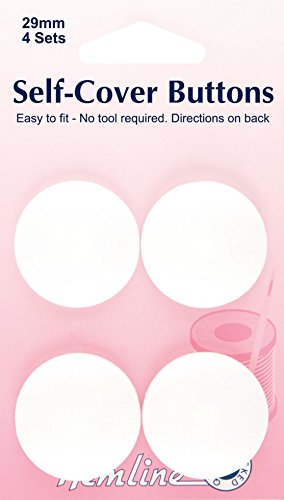
Sometimes, a project calls for a bit of personality, and that’s where laser-etched buttons shine. Hemline offers a variety of patterns—from delicate floral motifs to geometric shapes—that can act as the "jewelry" for your finished item.
These are particularly effective for children’s garments or gifts where you want to add a whimsical touch. Because the design is etched into the wood, it won’t rub off or fade like a printed design might. They look stunning on solid-colored yarns where the button’s detail can truly pop without competing with complex textures.
Be aware that the etched grooves can occasionally catch on delicate fibers like mohair or angora. If you are using a fuzzy halo yarn, check the edges of the etching to ensure they are smooth before you sew them on.
Buttonmode Round Walnut Buttons: Best Quality

When you have invested sixty hours into a complex colorwork yoke, you shouldn’t skimp on the finishing touches. Buttonmode’s walnut buttons are the gold standard for luxury knitwear, offering a deep, dark, and sophisticated finish that exudes quality.
Walnut is a harder wood, which means these buttons have a polished, smooth feel that won’t snag your yarn. Their uniform, dark tone provides a high-contrast anchor for lighter-colored wools, making them the perfect choice for a refined, professional finish. They feel substantial in the hand, signaling to the wearer that this is a high-quality, handmade piece.
If you are gifting your knitting, these buttons provide that "wow" factor that makes the recipient realize the level of care you put into every detail. They are an investment, but for a special project, they are worth every penny.
Trimits Polished Beech Buttons: Best Value

If you are a prolific knitter who churns out sweaters for the whole family, you need a reliable, cost-effective option. Trimits polished beech buttons are consistent, sturdy, and come in a wide range of sizes, making them a fantastic "go-to" for bulk projects.
Beech wood is light in color and has a very tight, subtle grain, which makes it a neutral choice that won’t clash with your color palette. They are polished to a smooth finish, so they slide through buttonholes easily without catching on your stitches. They are essentially the "blank canvas" of the wooden button world.
While they may lack the dramatic grain of walnut or olive, their reliability is unmatched. They are the perfect choice for a stash-busting project where you want to keep costs down without sacrificing the organic feel of wood.
La Mode Rustic Bark Buttons: Best for Texture
For those who love the "cottagecore" aesthetic or are knitting with hand-spun, textured yarns, La Mode’s bark-edged buttons are the perfect match. These buttons retain the natural edge of the wood, providing a raw, earthy look that feels intentionally artisanal.
These buttons are not about uniformity; they are about character. They look incredible on chunky, cable-knit cardigans or rustic vests made from un-dyed, sheep-to-garment wool. They add a tactile, rugged element that highlights the handmade nature of your work.
Keep in mind that because of their irregular shape, they can be slightly more difficult to sew on perfectly straight. Take your time to align the center hole, and consider using a slightly thicker thread to ensure they stay firmly in place on your heavier garments.
How to Match Button Size to Your Knitting Gauge
The biggest mistake knitters make is choosing a button based solely on the look of the button itself, rather than the size of the buttonhole. Always remember that your button should be roughly 1/8th of an inch wider than the buttonhole you’ve created.
- For fine gauge (sock yarn): Stick to 10mm–12mm buttons. Anything larger will distort your delicate fabric.
- For medium gauge (DK/Worsted): Aim for 15mm–20mm. This is the "sweet spot" for most cardigans.
- For bulky/super bulky: Go for 25mm and up. You need a larger surface area to keep the fabric from splaying open.
If you find that your buttonhole is too large, don’t worry. You can use a needle and thread to "shrink" the hole by adding a few stitches of reinforcement around the edge. Conversely, if the button is too big, you will eventually stretch the hole out, leading to a saggy, misshapen garment.
Tips for Securely Attaching Wooden Fasteners
Never sew a button directly onto the fabric surface if you want it to last. Always create a "shank"—a small space between the button and the garment—by placing a toothpick or a tapestry needle behind the button while you sew.
Once you have wrapped the thread around the stitches between the button and the fabric to create a firm stem, remove the toothpick. This allows the fabric of the buttonhole to sit comfortably underneath the button without pulling the garment out of shape. For extra security, especially on heavy sweaters, sew a small, flat "backing button" on the inside of the garment directly behind the main button.
This distributes the tension across a larger surface area of the knitting. It prevents the button from pulling through the stitches and keeps your garment looking pristine for years.
Caring for Wood Buttons During Garment Wash
Wooden buttons are natural, porous materials, which means they don’t love being submerged in water for long periods. If your garment is machine washable, try to remove the buttons before washing if possible.
If you must wash them, use a gentle cycle with a mild wool wash, and avoid harsh detergents that can strip the natural oils from the wood. After washing, lay your garment flat to dry and ensure the buttons are not sitting in a pool of water. If the wood begins to look dull over time, a tiny drop of food-grade mineral oil rubbed into the button with a soft cloth will restore its luster.
Treating your buttons with the same care as your yarn will ensure that your hard work remains beautiful for years to come.
Choosing the right wooden button is about more than just utility; it is the final act of design that defines your garment’s personality. Whether you opt for the rustic charm of bark-edged pieces or the refined elegance of polished walnut, your choice will anchor your project in quality. Take the time to consider the weight and texture of your yarn, and don’t be afraid to experiment with different sizes to achieve the perfect fit. With these tips in your toolkit, you are ready to finish your next masterpiece with confidence and style.