6 Best Wooden Clappers For Garment Pressing To Use
Achieve professional seams with these top 6 wooden clappers. Learn how these essential pressing tools trap steam to create crisp, flat edges for your garments.
Achieving a professional finish on your hand-knits often comes down to how you handle the final blocking phase. While many knitters focus exclusively on pins and wires, the secret to crisp seams and flat edges lies in the humble wooden clapper. This simple block of hardwood absorbs steam and sets fibers in place, transforming a "homemade" garment into a polished piece. Investing in the right tool ensures your hard work doesn’t lose its shape the moment it leaves the blocking mat.
Arrow Mountain Hardwood Tailor’s Clapper: Best Overall
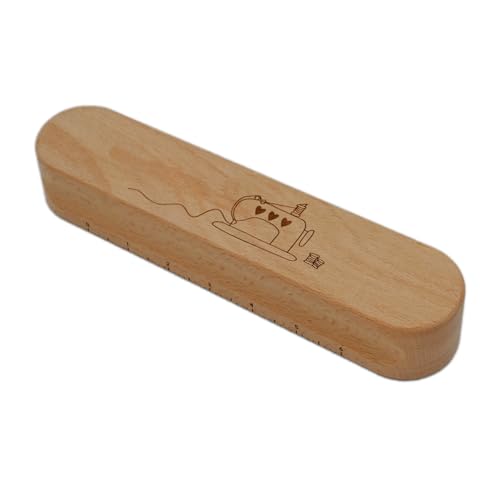

The Arrow Mountain clapper stands out because of its exceptional weight and smooth, unfinished wood surface. When you are blocking a dense wool sweater, you need a tool that can hold heat and moisture without transferring any unwanted finish to your delicate fibers.
Because it is crafted from high-quality hardwood, it provides the perfect amount of pressure to flatten bulky seams. I’ve found that the weight is substantial enough that you rarely need to press down with excessive force; the tool does the heavy lifting for you.
This is the gold standard for knitters who frequently work with heavy-weight yarns like worsted or bulky wools. It won’t splinter or snag your yarn, which is a major concern when working with delicate hand-dyed fibers.
Dritz Wooden Tailor’s Clapper for Precise Seams

Dritz is a staple in most sewing rooms, and their clapper is a reliable, entry-level option for knitters. It features a narrower profile, which makes it ideal for smaller areas like sleeve cuffs or shoulder seams.
If you are a garment knitter who struggles with bulky underarm joins, this tool is your best friend. Its smaller surface area allows you to target specific, thick junctions without disturbing the surrounding stitch pattern.
However, keep in mind that its lighter weight means you may need to apply a bit more manual pressure. It’s perfect for those who want a functional tool without a major investment, especially if you primarily knit light-to-medium weight garments.
June Tailor Pressing Clapper with Point Presser

This tool is a two-in-one powerhouse that combines a traditional flat clapper with a tapered point presser. For the knitter who loves making cardigans with structured collars or sharp lapels, this is an essential addition to the kit.
The point presser allows you to get into tight corners where a standard, chunky block simply cannot reach. When you’re trying to set a clean edge on a button band, that narrow point is worth its weight in gold.
While it is slightly more complex to store due to its shape, the versatility is unmatched. It effectively bridges the gap between basic blocking and professional-level tailoring.
Clover Tailor’s Clapper for Crisp Garment Edges
Clover is known for ergonomic design, and their clapper feels very comfortable in the hand. It is well-balanced, making it easy to maneuver across the surface of a finished garment during the final steam-setting process.
I often recommend this to knitters who are new to using a clapper because it isn’t intimidatingly heavy. It provides enough density to set the steam, but it doesn’t feel like you are lugging around a heavy piece of lumber.
It’s particularly effective for those working with superwash wools, which can sometimes be a bit "bouncy" and resistant to holding a flat shape. A quick press with this tool helps tame that elasticity and keeps your edges looking sharp.
Gingher Wooden Clapper for Professional Pressing
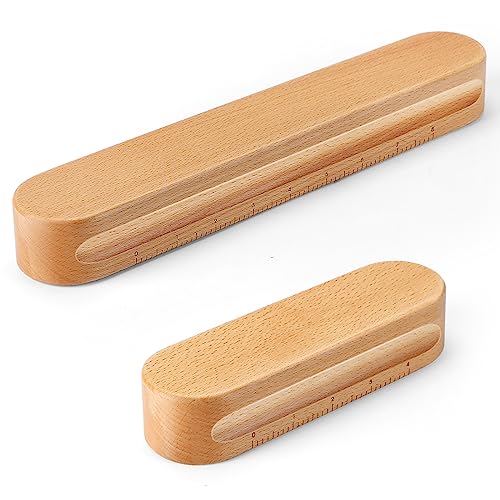
Gingher is synonymous with quality, and their wooden clapper is built to last a lifetime. It features a very dense, tight-grained wood that is exceptionally good at wicking away excess moisture from the steam.
When you use this on a wool project, you’ll notice the steam dissipates quickly, leaving the stitches set and the fabric cool to the touch. This rapid cooling is actually what "locks" the fiber into its new shape.
While it comes at a premium price point, the durability is undeniable. If you are a prolific knitter who finishes several sweaters a year, this is an investment that will pay for itself in the longevity of your garment finishes.
Reliable Ironing Board Tailor’s Clapper Tool

The Reliable clapper is designed with a focus on surface area and heat retention. Its broad, flat base is perfect for blocking large panels, such as the back of a sweater or a wide shawl, in a single pass.
If you are tired of moving your clapper around a large piece of fabric, this wider design will save you significant time. It distributes pressure evenly across the entire surface, preventing the "wavy" look that can happen when pressing in small, overlapping sections.
It is a utilitarian workhorse that prioritizes function over form. For the knitter who values efficiency and speed during the finishing process, this is a top-tier choice.
Why Every Knitter Needs a Wooden Pressing Clapper
Many knitters mistakenly believe that a steam iron alone is enough to finish a garment. While steam relaxes fibers, it is the clapper that traps that steam and forces it into the yarn, setting the structure of the stitch.
Without a clapper, your steam-pressed edges will often "spring back" to their original, uneven state within a few hours. The clapper forces the heat out, causing the fibers to stabilize in their new, flat orientation.
- Prevents "Iron Shine": By acting as a buffer, the wood prevents your iron from scorching delicate fibers.
- Sets Seams: It creates a flat, professional join that looks like it came from a high-end boutique.
- Controls Growth: It helps manage the drape of garments, especially when working with heavy fibers like linen or cotton.
How to Use a Clapper for Professional Knit Finishes
The technique is simple but requires a bit of patience. First, steam your garment lightly, hovering your iron just above the surface to avoid crushing the loft of the wool.
Immediately after steaming, place the clapper firmly over the area and hold it there for about 5 to 10 seconds. Do not slide the clapper; you want to press straight down, wait, and then lift straight up.
This "press and hold" motion is what draws the moisture out of the fabric and cools the yarn instantly. The result is a crisp, permanent edge that won’t lose its shape the next time you wear the garment.
The Importance of Wood Density in Pressing Tools
The density of the wood is the most critical factor in how well a clapper performs. You want a wood that is hard and non-porous, such as oak, maple, or beech, which can withstand the high moisture content of steam without warping.
Softwoods are generally a poor choice because they can absorb too much moisture, potentially leading to mold or splintering over time. A dense, high-quality wood will remain smooth for years, ensuring your knits never snag.
- Hardwood: Maintains shape and resists steam damage.
- Smooth Finish: Essential to prevent snagging on delicate mohair or silk blends.
- Weight: Heavier wood provides better compression, which is crucial for thick, cabled fabrics.
Essential Tips for Safe Steam Pressing of Knits
Always be mindful of your fiber content before applying steam. Acrylics, for instance, can melt or lose their crimp if exposed to too much heat, so use the lowest steam setting or a press cloth.
If you are working with delicate lace, be extremely careful not to over-press, as you want to maintain the "halo" and loft of the yarn. Use the clapper gently to set the edges without flattening the intricate stitch work in the center of the project.
Finally, always test on a swatch first if you are unsure how your yarn will react to steam. A clapper is a powerful tool, but it should be used to enhance your knitting, not to compromise the unique texture of your chosen fiber.
Mastering the use of a wooden clapper is the final step in transitioning from a hobbyist to a true garment maker. By choosing a tool that fits your project needs and applying it with patience, you will see a dramatic improvement in the longevity and look of your hand-knits. Don’t rush the finishing process, as it is the very last thing you do to your project and the first thing everyone else will notice. Happy knitting, and may your seams always lie flat.