7 Best Lumbar Support Pillows For Desk Knitting
Find the best lumbar pillows for knitting. Our guide reviews 7 ergonomic supports to help you reduce back strain and improve posture during long desk sessions.
Long hours spent hunched over a complex cable chart or rhythmic stockinette can wreak havoc on your posture and lower back health. As knitters, we often prioritize the perfect yarn weight or needle material while completely neglecting the foundation of our creative workspace. Investing in a quality lumbar support pillow transforms your knitting desk into a sustainable sanctuary for your craft. These seven options are curated to help you maintain your alignment so you can keep stitching for years to come.
Everlasting Comfort Memory Foam Lumbar Cushion
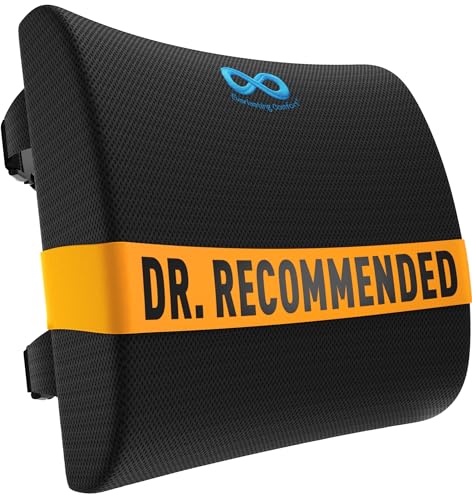

This cushion is a classic for a reason, offering a balanced density that doesn’t collapse under the weight of a long knitting session. If you’re working on a heavy wool blanket that keeps you tethered to your chair for hours, this foam provides the consistent push-back needed to prevent slouching.
The dual-strap design is particularly helpful for those of us with office chairs that feature unconventional shapes. It stays firmly in place, so you aren’t constantly adjusting it every time you reach for your stitch markers or swap out a circular needle.
However, keep in mind that memory foam can retain heat. If you’re knitting in a warm room with high-moisture fibers like alpaca or cotton, you might find the material a bit insulating.
LoveHome Memory Foam Lumbar Support Pillow

The LoveHome cushion features a unique, contoured shape that mimics the natural curve of the spine. For knitters who tend to lean forward while deciphering intricate lace charts, this pillow encourages you to sit back and engage your core.
The breathable mesh cover is a major plus for those long, marathon knitting weekends. It prevents that uncomfortable "sticky" feeling against your back, allowing you to focus entirely on your tension and stitch definition.
It is quite firm, which is excellent for spinal alignment but might feel rigid to some. If you prefer a softer, more "cushiony" feel, this may take a few days of adjustment before it feels like a natural part of your knitting setup.
Samsonite Ergonomic Lumbar Support Pillow

Samsonite brings a level of structural integrity to this cushion that is ideal for knitters who struggle with persistent lower back fatigue. Its memory foam is designed to be responsive yet supportive, which is vital when you are navigating the repetitive motions of stranded colorwork.
The compact profile makes it a great choice for smaller desk setups where you don’t want a bulky pillow pushing you too far forward. You’ll still have enough room to maneuver your elbows without hitting the back of the chair.
One trade-off is the size; if you are a taller knitter, you may find the pillow sits a bit low. You might need to experiment with placement to ensure it hits your lumbar curve exactly where you need it most.
Cushion Lab Ergonomic Back Relief Pillow

The Cushion Lab pillow uses a unique "extra-dense" foam that provides substantial support without feeling like a brick. This is perfect for those who knit with a tight gauge; when your hands are tense, your back often follows suit, and this pillow helps neutralize that physical stress.
The patented shape is designed to hug the sides of your back, which provides a sense of stability. This is particularly useful if your knitting chair is wide or lacks natural lumbar contouring.
While it is on the pricier side, the durability of the foam is impressive. It won’t flatten out after a month of heavy use, making it a sound investment for the dedicated, daily knitter.
Vremi Ergonomic Memory Foam Back Cushion

The Vremi cushion is a fantastic entry-level choice that doesn’t sacrifice essential ergonomic features. Its simple, teardrop-like shape is intuitive and works well for most body types, especially if you are prone to shifting positions while you knit.
The cover is easily removable and washable, which is a practical necessity for any fiber artist. We’ve all had those moments where a bit of yarn fuzz or a stray drop of tea lands on our gear; being able to keep your cushion clean is essential.
It is slightly softer than the others, providing a gentle nudge toward better posture rather than a firm correction. It’s ideal for knitters who want comfort without feeling "locked in" to one specific position.
Sweet Relief Lumbar Support for Knitters

This option is tailored specifically for the ergonomics of seated craft work, focusing on the lumbar-thoracic junction. When you are knitting, your shoulders naturally roll forward; this pillow helps counteract that by providing targeted support that keeps your chest open.
It’s a great choice if you suffer from "knitter’s neck" or tightness between the shoulder blades. By supporting the lower back properly, it forces the upper spine to align more naturally, reducing the strain on your neck muscles.
Because it is specialized, it may feel different from a standard office pillow. Give yourself a few sessions to get used to the sensation of being properly propped up while you work on your next sweater project.
Fellowes Professional Series Back Support
The Fellowes support is a bit different because it uses a tri-curve design that promotes neutral spine alignment. For the professional knitter or designer who spends hours at a desk, this provides a more clinical, high-support experience.
The adjustable straps ensure that you can position the support exactly where your back needs it most. This is a game-changer if you alternate between different knitting projects that require different posture habits, such as switching from a lap-heavy project to a desk-based one.
It is a more structured, rigid piece of equipment. It won’t feel like a soft pillow, but rather like a supportive exoskeleton for your chair, which is exactly what you want for long-term spinal health.
Why Lumbar Support Matters for Long Knitting
Knitting is a repetitive, static activity that places significant stress on the musculoskeletal system. When you sit without support, your lower back muscles work overtime to stabilize your torso, leading to the dreaded "knitter’s ache" after just an hour of work.
Proper lumbar support keeps your pelvis in a neutral position, which flows upward to your spine and shoulders. When your back is supported, you are less likely to experience the muscle fatigue that causes you to drop stitches or lose track of your row count.
Think of your lumbar pillow as a tool, just like your needles or your favorite yarn winder. It is there to protect your body so that you can continue your craft for decades, rather than being sidelined by preventable back issues.
How to Adjust Your Chair for Ergonomic Ease
Your chair is the foundation of your knitting studio, and even the best pillow won’t work if the chair itself is poorly adjusted. Start by adjusting your seat height so that your feet are flat on the floor and your knees are at a 90-degree angle.
Next, adjust the depth of your seat. You should have a small gap between the back of your knees and the edge of the chair to ensure proper circulation while you work.
Finally, set your armrests so that your elbows are at a comfortable 90-degree angle while you knit. If your arms are too high, you’ll hunch your shoulders; if they are too low, you’ll strain your wrists.
Essential Stretches for Knitters at Desks
Every 30 minutes, put down your needles and perform a simple "chest opener" stretch. Clasp your hands behind your back and gently straighten your arms, lifting your chest to reverse the forward-leaning posture of knitting.
Don’t forget your neck; gently tilt your head from side to side to release tension that accumulates while you focus on your stitches. A quick seated spinal twist can also help reset your back after a long session of stockinette.
These movements take less than a minute but are vital for maintaining flexibility. Regular stretching, combined with the right lumbar support, will keep your body as limber as your yarn.
Your knitting journey is a marathon, not a sprint, and your physical comfort is the fuel that keeps you going. By choosing the right lumbar support and paying attention to your desk ergonomics, you are investing in your long-term ability to create beautiful, handmade items. Take the time to adjust your workspace today, and your back will thank you during your next lace-knitting marathon. Happy stitching, and may your tension always be even and your back always be pain-free.