6 Best Toggle Sets For Children’s Outerwear To Try
Discover the 6 best toggle sets for children’s outerwear. Our guide highlights durable, stylish, and easy-to-use options perfect for every winter coat.
Choosing the right toggle for a child’s handmade coat is about balancing the whimsy of a classic design with the rugged reality of playground life. As a knitter, you want a fastener that complements your stitches rather than distorting them under tension. The following guide breaks down the best options to ensure your hard work stays securely fastened throughout the season. Whether you are crafting for a toddler or a school-aged child, these selections prioritize both aesthetic charm and functional longevity.
Duffle Coat Wood Toggles: The Classic Choice

There is an undeniable nostalgia in a wooden toggle paired with a chunky, wool-rich cable knit. These toggles provide a warm, organic texture that softens the appearance of heavy, worsted-weight garments.
Because wood is naturally lightweight, it won’t weigh down the front bands of a sweater, which is a common issue with heavier metal hardware. However, keep in mind that wood can be porous; avoid soaking them in water for extended periods to prevent the grain from raising or the finish from dulling.
If you choose wood, look for pieces with a smooth, sanded finish to prevent snagging on your delicate yarn fibers. Always check that the toggle ends are rounded so they don’t catch on the child’s skin or clothing while they are active.
Leatherette Loop Toggles: Durable and Stylish
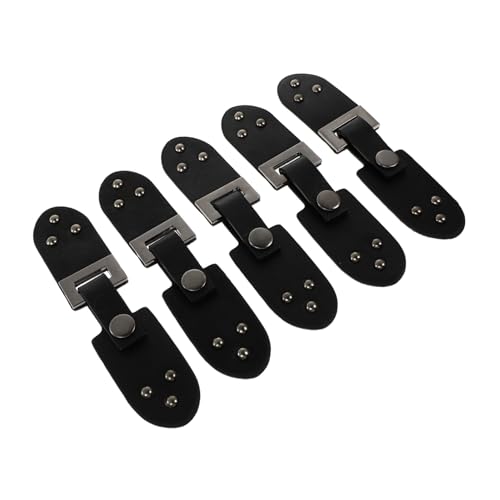
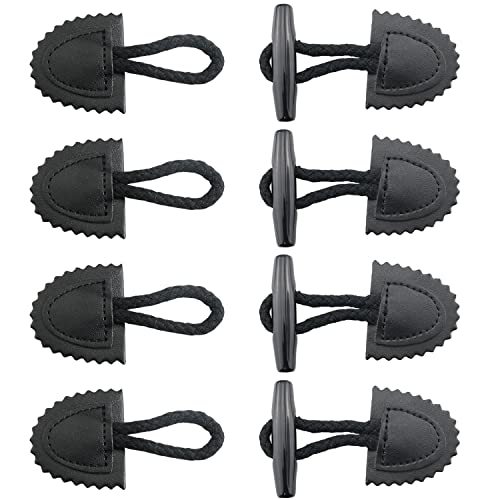
Leatherette offers the high-end look of genuine hide without the maintenance headaches or the risk of bleeding dye onto light-colored yarn. These toggles usually come pre-attached to a sturdy backing, making them incredibly easy to sew onto a finished coat.
The synthetic nature of leatherette means it holds up exceptionally well to the friction of daily wear and tear. It is a fantastic choice for a "quick-fix" project where you want a professional, polished finish without needing to hand-stitch complex buttonholes.
Be aware that synthetic loops can sometimes be stiffer than natural materials. You may need to add a bit of extra reinforcement to your knitting—perhaps a small piece of cotton ribbon on the inside—to prevent the toggle from pulling and distorting your stitches over time.
Resin Horn Toggles: Modern and Lightweight

Resin is the unsung hero of children’s outerwear because it is virtually indestructible. These toggles mimic the look of natural horn but offer a consistent, smooth surface that won’t splinter or crack after a tumble on the playground.
They are particularly useful if your knitting features intricate colorwork or delicate yarn that you don’t want to risk snagging. Resin is also non-porous, meaning it won’t absorb dirt or moisture, making it a hygienic choice for younger children.
The trade-off is that some resin toggles can feel a bit "slick," meaning they might slide through their loops more easily than wood or bone. Choose a toggle with a pronounced center groove to ensure it stays locked in place when the coat is buttoned.
Genuine Leather Toggles: Premium Craftsmanship

Genuine leather is the gold standard for heirloom-quality knits that you intend to pass down through generations. It develops a beautiful patina over time, becoming softer and more supple with every season of wear.
When working with leather, remember that it is a natural material that can react to moisture. If the coat gets soaked in the rain, the leather might stiffen as it dries, so it is best suited for garments worn in dry, cold climates.
Because leather is a heavy material, you must ensure your knitting has enough structural integrity to support it. If your coat is knit in a loose gauge, attach the leather toggles to a hidden inner facing made of sturdy fabric to prevent the weight from dragging down your stitches.
Plastic Toggle Closures: Best for Playwear

Plastic toggles are often overlooked, but they are the most practical choice for everyday playwear. They are lightweight, inexpensive, and come in a vast array of vibrant colors that appeal to children.
They are the most forgiving option for a knitter who is new to garment construction. If a plastic toggle breaks or gets lost, it is incredibly easy and cheap to find a replacement that matches the original aesthetic.
While they lack the "handmade" charm of wood or leather, they are the best option for garments that will be thrown in the washing machine weekly. Look for high-impact ABS plastic to ensure they won’t shatter if the child falls or hits the toggle against a hard surface.
Metal Buckle Toggles: Secure and Decorative

Metal toggles add a structured, military-inspired aesthetic that looks stunning on dense, felted wool projects. They provide the most secure closure of all, as the metal-on-metal or metal-on-fabric friction prevents accidental unbuttoning.
The challenge with metal is the added weight. You must ensure your knitting gauge is tight and firm, ideally using a wool with good memory like a tight-ply Merino or a blend with nylon, to prevent the hardware from sagging.
Always test for nickel content if the child has sensitive skin, as metal toggles will sit directly against the garment. If you are worried about weight, look for hollow-cast metal designs that offer the look of heavy hardware without the physical bulk.
How to Choose Toggles for Children’s Knits
The weight of your yarn should always dictate the weight of your toggle. A delicate, fine-gauge cardigan will look overwhelmed by heavy leather toggles, while a thick, aran-weight coat needs a substantial toggle to balance the garment’s visual weight.
Consider the "give" of your fabric as well. If your knitting has a lot of stretch—like a garter stitch or a loose brioche—the toggles will put extra strain on the fabric whenever the child moves.
- For chunky knits: Choose larger, wider toggles that distribute tension over multiple stitches.
- For fine knits: Opt for lightweight resin or wood to prevent sagging.
- For active kids: Prioritize durability and smooth, snag-free surfaces.
Best Sewing Techniques for Toggle Attachment
Never sew a toggle directly onto the surface of your knitting without reinforcement. The weight of the toggle and the stress of pulling it through the loop will eventually cause the yarn to stretch or snap.
Instead, create a "bridge" or a backing on the inside of the garment. You can use a small square of sturdy ribbon, twill tape, or even a scrap of felted wool to act as an anchor for your stitches.
When sewing, use a strong, non-stretching thread that matches the color of your yarn. Use a whip stitch or a cross-stitch pattern to distribute the weight across several rows of knitting rather than pulling on a single loop of yarn.
Maintaining Toggle Closures Through Washing
Most toggles—especially those made of natural materials—do not enjoy the agitation of a washing machine. If your garment is machine-washable, consider making your toggles removable if possible.
If they are permanently attached, place the garment inside a mesh laundry bag to prevent the toggles from banging against the drum of the machine. This protects both the toggles and the integrity of your knit stitches.
For leather or wood, spot clean only. If you must wash the garment, avoid high-heat drying, as this can warp wooden toggles or cause leather to crack and lose its natural oils.
Safety Tips for Kids’ Outerwear Fasteners
Safety is paramount when designing for children, particularly when it comes to fasteners near the neck. Avoid toggles that are overly long or have sharp, pointed ends that could pose a choking or snagging hazard.
Always ensure that the loops are not so large that they could catch on playground equipment or door handles. If you are concerned about the toggle catching, consider using a shorter loop or a toggle that sits flush against the garment.
Finally, perform a "tug test" on every toggle before the child wears the coat. If a toggle can be pulled off with moderate force, it is a choking hazard and must be re-sewn with more reinforcement.
Selecting the right toggle is the final, defining step in turning your knitwear into a functional piece of clothing. By considering the weight of your yarn, the activity level of the child, and the maintenance requirements of the material, you ensure your project remains a beloved staple. Trust your instincts as a maker, reinforce your stitches, and enjoy the process of finishing your beautiful work. Happy knitting!