6 Best Patterned Tins For Notions Storage To Collect
Organize your sewing space with these six decorative patterned tins. Discover the best vintage and modern designs perfect for storing all your small notions.
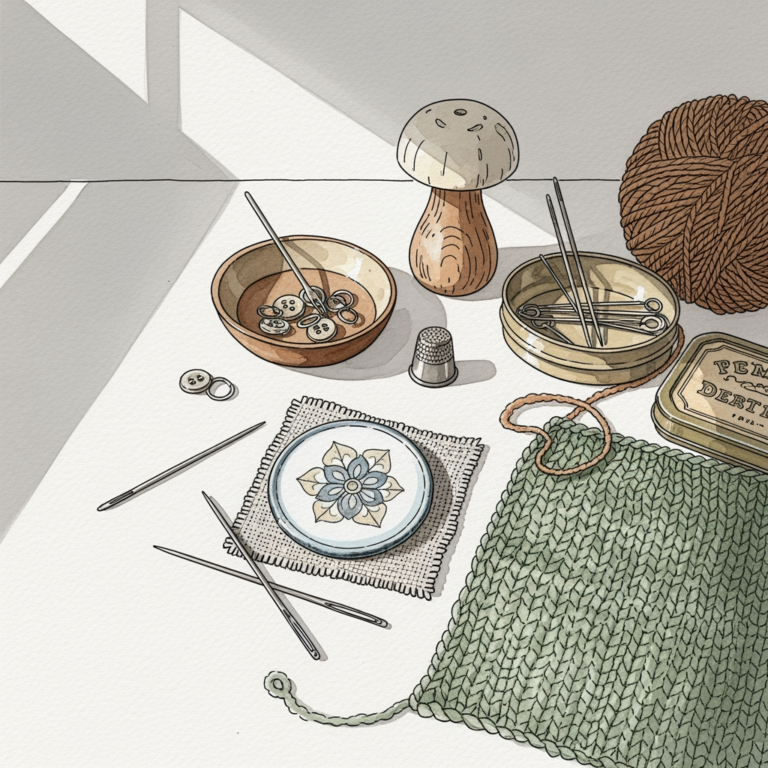
Every knitter eventually reaches the point where their stitch markers, tapestry needles, and point protectors begin to migrate into the dark corners of their project bags. A high-quality patterned tin is not just a decorative accessory; it is a vital piece of gear that prevents your smallest, most essential tools from vanishing into the abyss of your sofa cushions. These six collections represent the gold standard for keeping your notions safe, organized, and—most importantly—easy to find during a late-night knitting session. Investing in a beautiful tin turns a mundane organizational task into a moment of joy every time you sit down to cast on.
Emma Bridgewater Tin: The Classic Floral Choice


Emma Bridgewater tins are unmistakable, characterized by their bold, spongeware-inspired floral patterns and sturdy construction. For a knitter who appreciates a cottage-core aesthetic, these tins offer a sense of nostalgia that pairs perfectly with a rustic wool sweater or a hand-knit shawl.
The lids on these tins are generally quite secure, which is a critical feature if you tend to toss your project bag into a tote or backpack. However, because they are often sold as food containers, they can be quite large; you may want to look for the smaller "gift tin" sizes to ensure they don’t take up too much precious room in your knitting kit.
Bottom line: Prioritize the smaller canister sizes to keep your notions from rattling around in a container that is simply too cavernous for a few stitch markers.
Rifle Paper Co. Keepsake Tin: Best for Patterns

If your project bag is a sea of neutral yarns, a Rifle Paper Co. tin provides a necessary pop of color and intricate design. Their signature floral and botanical illustrations are vibrant, durable, and bring a sophisticated flair to your crafting space.
These tins are often thinner than traditional biscuit tins, making them ideal for tucking into slim project pouches or even a dedicated needle case pocket. The trade-off is that the metal can be slightly more prone to denting if it’s crushed under the weight of a heavy sweater project or a large yarn swift.
Bottom line: These are best for your delicate notions, like gold-plated stitch markers or specialty cable needles, rather than heavy-duty tools.
Liberty London Print Tins: Heritage Style Options

Liberty London prints are iconic for a reason, featuring dense, intricate patterns that feel like a piece of textile history. Using one of these to hold your notions feels like a nod to the long lineage of needlework traditions that we carry on today.
These tins are frequently found as part of sewing kits or beauty sets, and their lids usually have a satisfying, precise fit. They are excellent for keeping your stitch counters and measuring tapes clean and dust-free, which is essential if you live in a home with pets or frequent lint.

Bottom line: Check the hinge quality before purchasing, as some vintage-style tins rely on a friction fit that can loosen over time.
Cavallini & Co. Decorative Tins: Vintage Aesthetic
Cavallini & Co. leans heavily into the "vintage ephemera" look, often featuring botanical charts, maps, or antique typography. For the knitter who loves the historical aspect of the craft, these tins look right at home next to a set of vintage wooden needles.
The metal used in these tins is often slightly lighter, which is a benefit if you are trying to keep your travel knitting kit as lightweight as possible. While they aren’t meant for heavy-duty storage, they are perfect for keeping a rotating selection of notions for a specific project.
Bottom line: These are perfect for themed project kits, such as keeping all your lace-weight notions in a botanical-themed tin.
Fortnum & Mason Heritage Tins: Elegant Durability
These tins are the heavyweights of the collection, built with a thickness and rigidity that is hard to beat. If you are a traveling knitter who frequently takes your projects on planes or trains, the structural integrity of a Fortnum & Mason tin is a significant advantage.
Because they are designed to hold heavy biscuits, they are exceptionally resistant to bending. You could drop your bag a dozen times and your tapestry needles would remain safely contained inside.
Bottom line: Invest in these for long-term storage of your most expensive notions, like high-end needle gauges or specialty scissors.

Merchant & Mills Sewing Tins: The Utility Pick
Merchant & Mills is a brand that truly understands the intersection of utility and style, and their tins reflect a stripped-back, professional aesthetic. They are designed for the serious maker who wants tools that function well without unnecessary ornamentation.
These tins are often rectangular and slim, which is a major advantage for sliding into the side pockets of a knitting bag. They provide a utilitarian, "workshop" feel that keeps you focused on the task at hand rather than the decoration of the container.
Bottom line: Choose these for your primary kit if you prefer a minimalist, highly functional setup that fits easily into any bag.
Why Patterned Tins Protect Your Knitting Notions
Notions are the most easily lost items in a knitter’s arsenal, and a patterned tin provides a visual anchor in your workspace. When your stitch markers are scattered, they are nearly impossible to spot against a patterned rug or a pile of yarn; a bright, patterned tin acts as a beacon.
Beyond visibility, these tins provide a physical barrier against the elements. Metal protects your tools from being bent or crushed, and it prevents sharp point protectors or tapestry needles from poking through the fabric of your project bag.
- Visibility: Patterned surfaces make the tin easier to find in low light.
- Protection: Metal housing prevents damage to delicate plastic or wooden markers.
- Containment: Prevents small items from migrating into the lining of your bag.
How to Organize Your Stitch Markers and Needles
Organization is personal, but I find that grouping by project type is the most efficient method. If you are working on a stranded colorwork project, keep all your locking stitch markers in one small tin so you can easily track your pattern repeats.
- Categorize by function: Keep cable needles separate from tapestry needles.
- Use internal dividers: If the tin is large, use small silicone cups or fabric pouches inside to keep items from clattering.
- Label the outside: Use a small piece of washi tape on the bottom to note what is inside if you have a collection of similar-looking tins.
Selecting the Right Size Tin for Your Project Bag
The biggest mistake knitters make is choosing a tin that is too large for their daily carry. If you are only bringing a sock project to a coffee shop, you only need a tiny tin that holds a few markers, a darning needle, and a small pair of scissors.
Consider the "footprint" of the tin relative to your bag’s internal pockets. A round tin might be charming, but a rectangular tin often utilizes the space in a structured project bag much more efficiently without shifting around.
Maintaining Your Collection of Vintage Metal Tins
Metal tins can develop rust or sticky residue over time, especially if they are kept in a humid environment. Wipe them down occasionally with a dry microfiber cloth to remove dust, and avoid using harsh chemical cleaners that might strip the paint or finish.
If you find an old tin with a stiff lid, a tiny dab of food-grade mineral oil on the rim can help it slide on and off smoothly. Always ensure your notions are completely dry before putting them back in the tin to prevent internal oxidation.

Your collection of patterned tins is a reflection of your personal knitting journey and the tools you’ve curated over the years. By choosing tins that are both beautiful and structurally sound, you ensure that your essential notions remain protected and ready for your next cast-on. Take the time to find the ones that spark joy, and you’ll find that your knitting process becomes just a little bit more organized and a lot more delightful. Happy knitting, and may your stitch markers never go missing again.