6 Best Flexible Needle Grips For Ergonomic Comfort
Discover the 6 best flexible needle grips designed for ergonomic comfort. Reduce hand strain and enhance your stitching precision with these top-rated tools.
Knitting for hours on end is a joy, but the repetitive motion of working stitches can quickly lead to cramped hands and aching fingers. Finding the right ergonomic grip can transform a marathon session of stockinette into a pain-free experience. These tools aren’t just accessories; they are essential investments in the longevity of your craft. Let’s explore the top options to keep your hands nimble and your stitches consistent.
Clover Soft Touch Ergonomic Needle Grips


The Clover Soft Touch series is legendary for its signature wide, flattened handle design. This shape is specifically engineered to prevent your fingers from having to "pinch" the needle tightly, which is the primary culprit behind hand fatigue.
If you are someone who tends to have a death grip on your needles, these grips provide a wider surface area that encourages a more relaxed hold. They are particularly effective when working with slippery materials like silk or bamboo yarn, where you might otherwise overcompensate with excessive pressure.
While these are fantastic for comfort, they do add bulk to your needle. If you are working on a project with a very tight gauge, the added width might feel slightly cumbersome until you adjust your muscle memory.
Addi Comfort Grip Needle Handle Extensions
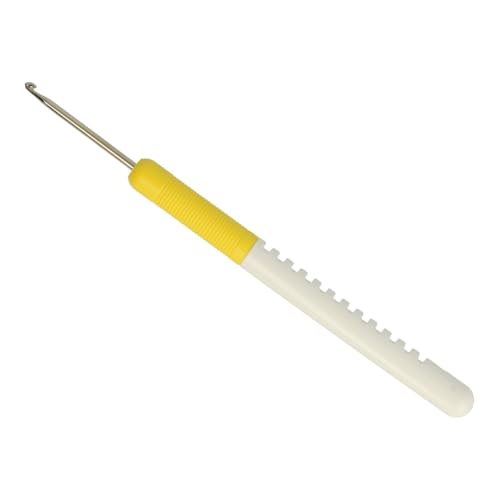
Addi is known for precision, and their handle extensions reflect that German engineering. These aren’t just grips; they are designed to extend the length of your needle, providing a better fulcrum point for your hand.
These are a game-changer for knitters who find that their needles are just a bit too short to sit comfortably in their palms. By shifting the weight distribution, they allow your hand to rest in a more neutral position.
The trade-off here is the weight. Because they are more substantial, they can make your needles feel slightly heavier during long sessions. I recommend these for stationary knitting where you can rest your elbows on a table or chair arm.
Susan Bates Handi Tool Ergonomic Sleeves

Susan Bates has been a staple in knitting bags for decades, and their ergonomic sleeves are a simple, effective solution. These are essentially soft, foam-like tubes that slide over your existing needles to provide a cushioned, non-slip surface.
They are incredibly versatile because they can be cut to size or moved between different sets of needles. If you are working on a project that requires a quick switch between needle sizes, these are the most portable option.
Don’t expect them to last forever, though. Over time, the foam can compress or lose its tackiness, especially if you have a habit of using hand lotion while you knit. They are an inexpensive, low-stakes way to test if ergonomic grips work for your specific hand shape.
Boye Ergonomic Knitting Needle Grip Aids
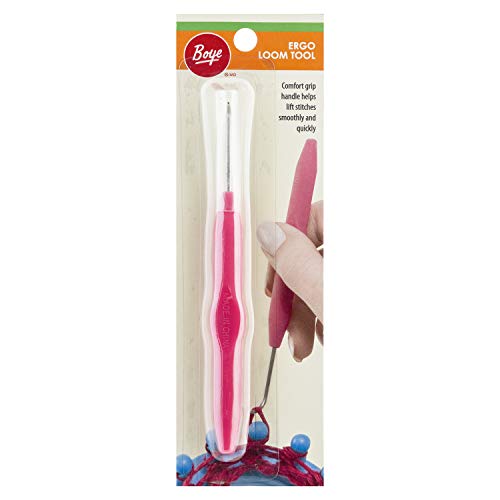
Boye offers a straightforward approach with their grip aids, which focus on adding a soft, textured layer to standard aluminum or plastic needles. The texture is the key feature here; it provides just enough friction to keep your fingers from sliding down toward the tip.
These are perfect for beginners who are still mastering their tension and needle control. When you are learning to cast on or execute a complex cable, having a stable, grippy surface prevents the needle from slipping out of your hand.
One thing to keep in mind is that they can attract dust and lint from your yarn. A quick wipe with a damp cloth will restore their grip, but they do require a bit more maintenance than a smooth, hard-plastic handle.
KnitPro Ergonomic Needle Grip Adapters

KnitPro’s adapters are designed with a modular feel, often catering to those who already use their interchangeable needle systems. They provide a contoured shape that mimics the feel of a professional crochet hook or a high-end ergonomic knitting needle.
The benefit of these is the ergonomic geometry, which is specifically molded to fit the natural curve of the human hand. If you struggle with arthritis or carpal tunnel symptoms, this shape is often more supportive than a simple round sleeve.
Because they are molded to a specific shape, they don’t offer much flexibility in terms of how you hold them. If you prefer a "pencil grip" over a "knife grip," you may find that the contours of the adapter push your fingers into a position that feels unnatural.
Tulip Etimo Comfort Cushion Needle Grips

Tulip is widely considered the gold standard for luxury ergonomic tools. While famous for their crochet hooks, their comfort grips are exceptionally well-balanced and feature a high-quality elastomer that feels soft yet firm.
The material is the real star here; it doesn’t get sticky or tacky, even after hours of knitting. It feels almost like a second skin, providing a cushioned barrier between your fingers and the metal needle.
These are undoubtedly an investment. If you are a casual knitter who only picks up the needles once a month, you might not feel the need for this level of luxury. However, for those who knit daily, the comfort difference is palpable.
Why Ergonomic Grips Reduce Knitting Hand Strain
Hand strain in knitting usually stems from two things: the "pinch" grip and the "death" grip. When you hold a thin needle, your hand muscles are forced into a constant state of contraction to keep the needle from slipping.
Ergonomic grips increase the diameter of your needle, which allows your hand to stay in a more open, relaxed posture. Think of it like using a thick fountain pen versus a thin toothpick; the thicker object requires less muscular effort to control.
By reducing the force required to hold the needle, you are effectively decreasing the inflammation in your tendons. This is vital for preventing long-term issues like tendonitis or repetitive strain injuries.
How to Properly Fit Grips to Your Needle Size
Fitting a grip is not a "one size fits all" process. A grip that is too loose will slide around while you work, which is more distracting than helpful. A grip that is too tight can be nearly impossible to get on without damaging the needle or the grip itself.
When choosing a grip, check the diameter of your needle against the manufacturer’s recommended range. If you are between sizes, always opt for the slightly smaller grip to ensure a snug, secure fit.
If you find a grip is difficult to slide on, a tiny drop of water or a very light dusting of cornstarch can help it glide into place. Just be sure to let it dry completely so it doesn’t slip during your next project.
Comparing Silicone vs Foam Grip Material Types
Silicone grips are generally more durable and easier to clean. They provide a firm, tactile surface that doesn’t compress much, making them ideal for knitters who want a consistent, stable feel.
Foam grips, on the other hand, offer a softer, more "cushiony" experience. They are excellent for those with very sensitive skin or those who need a lot of shock absorption, but they do tend to wear out faster than silicone.
If you work with sticky, high-friction yarns like mohair or wool, silicone is often better because it doesn’t catch the fibers. If you use slippery acrylics or silks, the added texture of a foam grip can provide the necessary control.
Essential Tips for Maintaining Your Needle Grips
To keep your grips in top shape, treat them like you treat your needles. Avoid leaving them in direct sunlight or extreme heat, as this can degrade the material and make them feel brittle or overly sticky.
If your grips start to lose their "tack," a gentle wash with mild dish soap and water is usually all it takes to refresh them. Rinse them thoroughly and let them air dry away from heat sources.
Finally, rotate your grips if you have multiple projects on the needles. Giving the material a chance to "rest" and regain its shape between sessions will significantly extend the life of your ergonomic tools.
Investing in your comfort is the best way to ensure you can enjoy your favorite hobby for years to come. Whether you choose a high-end silicone grip or a simple foam sleeve, the goal is to listen to your body and make adjustments before the pain sets in. Happy knitting, and may your stitches always be even and your hands always be relaxed.