6 Best Blocking Pins For Knit Fabrics Worth Using
Discover the 6 best blocking pins for knit fabrics. Learn how choosing the right tools ensures professional, precise results for all your finished projects.
Blocking is the final, transformative step that turns a collection of loops into a professional-grade garment. Without the right pins, your hard work can end up uneven, distorted, or frustratingly pinned to your mat. Choosing the right tool for the job depends entirely on the weight of your yarn and the delicacy of your stitch pattern. Here is my expert guide to the best blocking pins on the market today.
Knitter’s Pride Knit Blockers: Best Overall Pick


If you have ever spent an hour meticulously spacing out individual T-pins along the edge of a large shawl, you know how tedious that process can be. Knit Blockers solve this by using a row of pins attached to a single plastic bar, allowing you to secure several inches of fabric with one motion.
These are absolute game-changers for straight edges and long, linear projects like scarves or blankets. The bar keeps the tension perfectly consistent across the entire section, which is nearly impossible to achieve when placing individual pins by hand.
However, they can be bulky when trying to navigate tight curves or intricate lace points. I recommend keeping a pack of individual pins on hand to handle those tricky corners where the rigid bar simply won’t fit.
Clover T-Pins: The Classic Budget-Friendly Choice
There is a reason these have been in every knitter’s notions bag for decades. They are simple, effective, and provide the exact amount of tension required for standard wool projects without any unnecessary bells or whistles.
The "T" head is easy to grip, even if your hands get tired after a long blocking session. Because they are inexpensive, you can buy them in bulk, ensuring you never run out of pins when blocking a large sweater or a massive circular shawl.
The primary tradeoff is that they are not always made of the highest-grade steel. If you leave them in a damp project for too long, they may eventually develop small spots of oxidation.
Cocoknits Stainless Steel Pins: Rust-Free Quality
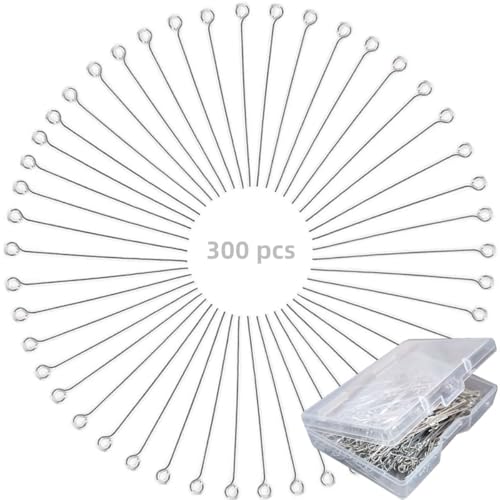
When you are working with expensive, hand-dyed silk or light-colored alpaca, the last thing you want is a rust stain ruining your project. Cocoknits pins are made from high-quality stainless steel, which is significantly more resistant to moisture than standard nickel-plated options.
These pins are incredibly smooth and glide through dense fibers without snagging or splitting the yarn. They are particularly useful for high-moisture blocking techniques, such as steam blocking or soaking heavy woolens.
While they are a higher investment than basic T-pins, the peace of mind is worth it. You are protecting your labor-intensive projects from potential damage, which is a small price to pay for long-term garment care.
Tulip Etimo Blocking Pins: Best for Delicate Lace

Lace knitting requires a level of precision that standard hardware-store pins simply cannot provide. Tulip Etimo pins are exceptionally fine and sharp, allowing you to catch individual lace loops without distorting the surrounding stitches.
These pins are designed with a focus on ergonomics and ease of use. They slide into your blocking mat with minimal resistance, which is essential when you are trying to open up a complex pattern without pulling the fabric out of shape.
Because they are so thin, they are not suitable for heavy, bulky-weight sweaters. They are specialized tools meant for fine-gauge work, such as lace shawls or intricate doilies.
Boye Rust-Resistant T-Pins: Reliable Daily Option
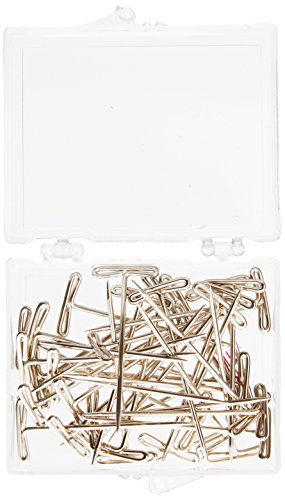
If you are looking for a workhorse pin that balances cost and durability, this is a solid choice. They are widely available and provide a sturdy hold for medium-weight yarns like worsted or DK.
These pins are reliable for everyday use on projects where you don’t need excessive precision. They hold their shape well and don’t bend easily under the weight of heavier garments.
Just be aware that "rust-resistant" is not the same as "rust-proof." Always ensure your project is thoroughly dry before removing these pins, and store them in a moisture-free container to prolong their lifespan.
Ashford Blocking Pins: Best for Heavy Woolens

When you are blocking a dense, heavy Icelandic sweater or a thick, wool-filled blanket, standard pins often buckle under the weight. Ashford pins are thicker and sturdier, designed specifically to manage the tension required for heavier fibers.
Their robust construction means they won’t bend or warp when you are pulling a heavy garment into shape. This makes them the go-to choice for garments that need a firm, aggressive block to set the shape.
Because of their thickness, they may leave larger holes in more delicate fabrics. Reserve these for sturdy, rustic wools that can handle a slightly wider pin without showing signs of stress.
Why Blocking Pins Are Essential for Your Projects
Blocking is the difference between a homemade item and a professional piece of knitwear. It relaxes the fibers, evens out your tension, and allows the stitch pattern to bloom, especially in lace or cables.
Pins provide the structure needed to guide your fabric into its final, intended dimensions. Without them, your garment will likely shrink or warp as it dries, losing the precise sizing you worked so hard to achieve.
Proper pinning also helps manage "curl" in stockinette fabric. By pinning the edges flat, you force the yarn to settle into a stable position that will hold long after the pins are removed.
T-Pins vs. Blocking Combs: Which Should You Use?
Blocking combs, like the Knit Blockers mentioned earlier, are excellent for speed and uniformity. They are ideal for beginners who struggle with consistent pin spacing or for anyone with a large volume of straight-edged items to finish.
T-pins, conversely, offer maximum flexibility. They allow you to manipulate individual stitches, which is necessary for complex shapes, armscyes, or intricate lace motifs that require careful adjustment.
My advice is to own both. Use combs to establish the primary structure of your garment, and use individual T-pins to refine the details and secure the tricky curves.
How to Prevent Rust When Blocking Your Knitwear
Rust is the enemy of every knitter, caused by the reaction between moisture and the metal of the pin. Even "rust-resistant" pins can eventually fail if left in a damp environment for too long.
- Dry your pins: Always wipe your pins down after a blocking session.
- Use stainless steel: Invest in high-quality stainless steel pins for your most precious projects.
- Don’t over-soak: Ensure your garment is damp, not dripping wet, before pinning it to the mat.
- Store properly: Keep your pins in a dry, airtight container with a small silica gel packet.
Pro Tips for Achieving Perfect Blocking Results
Start by measuring your garment against your pattern schematic before you even get the mat out. This gives you a clear target for your dimensions and prevents over-stretching, which can permanently damage the elasticity of your yarn.
When pinning, work from the center outward. This ensures that any excess fabric is distributed evenly toward the edges, preventing one side of the garment from becoming larger than the other.
Finally, let your project dry completely before removing a single pin. If you remove the pins while the fibers are still damp, the weight of the garment can cause it to sag or lose its shape, undoing all your hard work.
Investing in quality blocking pins is one of the smartest decisions a knitter can make to elevate their craft. Whether you prioritize the speed of combs or the precision of fine-gauge T-pins, the right tool will make your finishing process significantly more enjoyable. Remember that your choice should always be dictated by the fiber weight and the complexity of your stitch pattern. Happy blocking, and may your finished projects always look as professional as they feel.