6 Best Detergent Soaps For Delicate Woolens To Try
Keep your woolens soft and durable with our top six detergent picks. Learn how to clean delicate fibers safely while maintaining their shape and quality.
Investing dozens of hours into a hand-knit sweater means you need a cleaning routine that respects the integrity of the fiber. Ordinary supermarket detergents often contain enzymes designed to break down protein stains, which can inadvertently begin to dissolve your precious wool or cashmere. Choosing the right soap is the difference between a garment that lasts for generations and one that felts into a stiff, unusable mess. Here are the best detergents to ensure your hard work stays soft, supple, and pristine.
Eucalan Delicate Wash: Best Overall for Woolens
Eucalan is a staple in my knitting bag for a reason. It is a no-rinse formula that contains lanolin, a natural oil found in sheep’s wool, which helps replenish the fiber’s natural moisture and softness after it has been stripped by the washing process.
Because it doesn’t require rinsing, you save your delicate knits from the agitation caused by excessive handling. This is particularly important for heavy, water-logged items like a cabled wool sweater, which can easily stretch out of shape if you are moving it around a sink too much.
The bottom line: Eucalan is the safest, most reliable choice for everyday maintenance. It is gentle enough for lace shawls yet effective enough to keep your winter accessories smelling fresh and feeling luxurious.
Soak Wash: Best No-Rinse Option for Knitwear
Soak is the go-to choice for the knitter who wants efficiency without sacrificing quality. Its formulation is incredibly clean and rinses away easily, though it is designed to be left in the water, making it perfect for quick blocking sessions.
I find this particularly useful when I am blocking a large project, like a fingering-weight lace shawl. Since you don’t have to rinse the garment, you avoid the risk of "shocking" the fibers with temperature changes, which can lead to unwanted shrinking.
The trade-off here is that it lacks the lanolin content of Eucalan, meaning it won’t add that extra layer of conditioning to very dry or brittle wool. Use Soak when you need a fast, effective wash that leaves no residue behind.
The Laundress Wool & Cashmere: Best Premium Pick
When you have invested in high-end, luxury fibers like hand-dyed cashmere or baby alpaca, you want a detergent that feels as sophisticated as the yarn itself. The Laundress offers a specialized formula that is highly effective at removing dirt while maintaining the fiber’s natural loft.
This detergent is particularly good at preserving the "halo"—that soft, fuzzy aura—on cashmere and mohair blends. Many cheaper soaps can flatten these fibers over time, making your expensive investment look worn and tired after just a few washes.
Keep in mind that this is a premium product with a price tag to match. Save this for your "heirloom" projects that you want to keep looking brand new for years to come.
Kookaburra Wool Wash: Best for Natural Fibers


Kookaburra is a tea-tree oil-based detergent that is fantastic for those who prefer a more natural, botanical approach to cleaning. It is extremely effective at deodorizing, which makes it a great choice for wool items that have been stored away for the summer months.
The tea tree oil acts as a mild, natural antimicrobial, which helps keep your wool clean and fresh without the use of harsh synthetic chemicals. It is a brilliant choice for people with sensitive skin who might react to the heavy perfumes found in standard detergents.
However, be aware that it does have a distinct, medicinal scent that lingers slightly. If you prefer a natural, earthy clean, Kookaburra is an excellent, reliable performer.
Unicorn Fibre Wash: Best for Cleaning Raw Wool
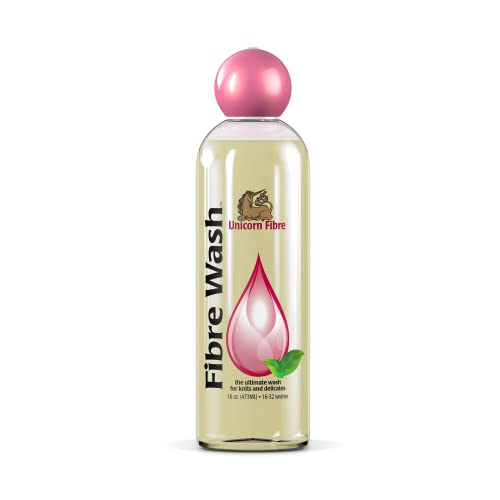
Unicorn Fibre Wash is a powerhouse, often favored by those of us who process our own fleece or wash hand-spun yarn. It is specifically designed to cut through the heavy grease and lanolin found in raw wool, making it the heavy-duty cleaner of the group.
If you have a project that is exceptionally dirty or has been sitting in a cedar chest for a decade, this is the detergent you want. It is highly concentrated, so a little bit goes a very long way, even in a large wash basin.
Because it is so effective at stripping oils, you should be careful not to over-use it on finished garments that need to retain some natural suppleness. Use this for heavy-duty cleaning or when preparing raw fiber for spinning.
Eucalan Lavender Scent: Best for Moth Repellent

This is essentially the classic Eucalan formula infused with essential lavender oil. While it provides the same gentle cleaning and conditioning benefits, the lavender acts as a natural deterrent for moths and other pests.
I always use this for my "off-season" wash before I pack my woolens away in storage bins. It provides peace of mind that my favorite hand-knits won’t be riddled with holes when I pull them out next winter.
The scent is lovely and natural, not the synthetic "floral" smell found in many commercial products. If you are worried about moth damage, this is your best first line of defense.
Why Wool Needs Specialized Detergent for Care
Wool is a protein fiber, much like human hair, and it reacts poorly to the high-pH detergents found in most laundry aisles. Standard detergents are designed to break down grease and food proteins, which means they will literally eat away at the structure of your wool yarn.
Using the wrong soap can cause the scales on the wool fiber to open up and lock together. This is the mechanism behind felting, which is usually irreversible once it happens to a finished garment.
- Avoid: Any detergent with "enzymes" or "brighteners."
- Seek: pH-neutral formulas specifically labeled for wool or delicate fibers.
- Remember: If the label says "heavy duty," keep it far away from your knitting.
Understanding pH Levels in Gentle Wool Cleansers
The pH scale measures how acidic or alkaline a substance is, and wool thrives in a slightly acidic to neutral environment. When you use a high-alkaline (basic) detergent, you are creating a chemical environment that damages the cuticle of the wool fiber.
This damage manifests as a loss of elasticity and a "scratchy" feel to the touch. Over time, the yarn becomes brittle and loses the ability to hold its shape, causing your sweaters to sag or lose their stitch definition.
By choosing a pH-neutral cleanser, you ensure the fiber scales stay flat and smooth. This maintains the yarn’s natural luster and prevents the dreaded "pilling" that ruins the look of a well-knit project.
Step-by-Step Guide to Washing Hand-Knit Items
- Fill the Basin: Fill a sink with cool to lukewarm water and add your chosen detergent before adding the garment.
- Submerge: Gently push the garment under the water; do not scrub or twist, as this causes friction and felting.
- Soak: Let it sit for 15 to 30 minutes to allow the soap to lift dirt naturally.
- Drain and Press: Drain the water and gently press the garment against the side of the sink to remove excess moisture; never wring it out.
How to Properly Dry Your Woolens After Washing
Drying is the most critical stage for maintaining the shape of your hard work. Always lay your garment flat on a clean, dry towel, rolling it up like a burrito to absorb the excess water before transferring it to a flat drying rack.

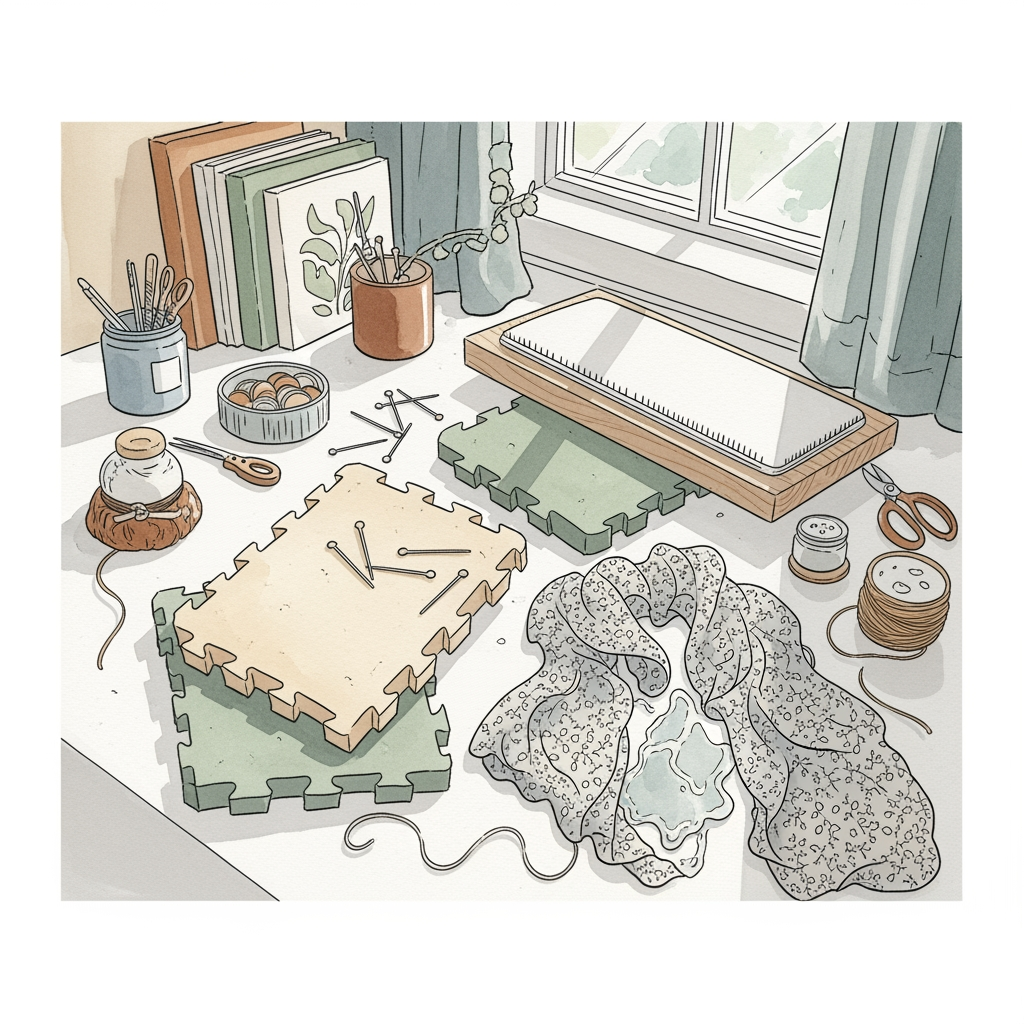
Never hang a wet wool sweater on a hanger, as the weight of the water will stretch the shoulders and body significantly. If you are blocking a lace project, use rust-proof pins to gently stretch the fabric into its intended dimensions while it is still damp.
Ensure the item is in a well-ventilated area away from direct sunlight or heat sources, which can make the wool brittle. Patience is your best tool during the drying process; let the air do the work.
Caring for your hand-knits is a meditative extension of the knitting process itself. By choosing the right detergent and handling your pieces with intention, you ensure that your time and creativity remain preserved in the fabric. Whether you choose the conditioning power of Eucalan or the efficiency of Soak, your woolens will thank you with years of warmth and beauty. Treat your fiber well, and it will undoubtedly return the favor.