7 Best Fiber Storage Sachets For Moth Prevention
Protect your wardrobe with our top 7 fiber storage sachets. Learn how these natural moth-repellent solutions keep your wool and silk garments safe year-round.
There is nothing more heartbreaking than pulling your favorite hand-knitted cable sweater out of storage, only to find the dreaded "moth hole" near the hem. As fiber artists, we invest hundreds of hours into our craft, making the protection of our stash and finished garments a top priority. While chemical mothballs are effective, their lingering, pungent odor is often too much for delicate wool and cashmere fibers to bear. Fortunately, natural fiber storage sachets offer a gentle, aromatic, and highly effective alternative for keeping those pesky clothes moths at bay.
CedarFresh Natural Eastern Red Cedar Blocks


These blocks are the gold standard for those who prefer a long-lasting, low-maintenance approach to fiber protection. Unlike sachets that require frequent refreshing, these solid cedar blocks provide a constant, subtle scent that moths find repulsive.
I often recommend these for long-term storage of heavy items like wool blankets or winter coats that stay packed away for months. Because they are solid wood, they won’t leak oils or leave residue on your delicate lace-weight shawls, which is a major concern with some liquid-based repellents.
The trade-off here is surface area; because they are solid, the scent throw is more localized than a breathable sachet. Place them directly in contact with your fiber, but ensure the wood is sanded occasionally to reactivate the aromatic oils.
Household Essentials Cedar Hang-Ups Sachets

If you store your finished garments on hangers rather than folded in bins, these are a lifesaver. They are designed to slip over the hook of a hanger, keeping your hand-knit cardigans protected without taking up precious shelf space.
For those of us with limited closet space, these are incredibly efficient. They keep the cedar scent circulating around the shoulders and collar—the areas moths seem to target first when a garment is hanging.
Just be mindful of the weight and the material of your hangers. If you are hanging a heavy, water-logged wool sweater, ensure the hanger hook is sturdy enough to support the extra weight of the sachet without bending.
Moth-Prevention Lavender and Cedar Sachets
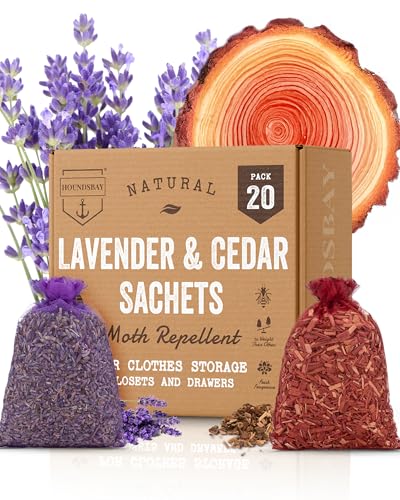
This combination is a classic for a reason: it pairs the woody, repelling scent of cedar with the floral, masking power of lavender. It’s an excellent choice if you want your stash to smell like a meadow rather than a lumber yard.
Many knitters worry about the scent transferring to their yarn, but lavender is generally quite pleasant and dissipates quickly once the garment is aired out. It is a fantastic option for those who find the sharp, dry scent of pure cedar a bit too intense.
Check the ingredients list carefully to ensure they use real dried flowers and essential oils. Synthetic fragrances won’t provide the same natural deterrent properties, and they can sometimes leave a waxy residue on natural fibers.
Woodlore Cedar Fresh Cedar Wood Scented Bags

These bags are essentially breathable fabric pouches filled with cedar shavings, offering a much higher surface area than solid blocks. This means they release a stronger, more immediate scent, which is ideal for a newly packed bin of wool.
I find these particularly useful for "active" storage—bins or drawers that you open and close frequently. The shavings provide a quick burst of cedar aroma every time the drawer slides, keeping the environment consistently protected.
Because they contain shavings, keep them in a dedicated spot within your bin, perhaps tucked into a corner away from your most delicate silk-mohair blends. This prevents any tiny wood particles from getting caught in the fibers of your yarn.
Richards Homewares Natural Cedar Wood Bags

These bags are designed with functionality in mind, often featuring a hook or a drawstring that makes them easy to hang or tuck into tight spaces. They are a great "middle-ground" option for those who want the power of shavings but the convenience of a sachet.
If you are storing a large collection of hand-dyed yarns, these are perfect for hanging on the inside of your storage cabinet. They provide a protective barrier at the door, which is often the point of entry for moths.
Always ensure your storage bags are made of natural, breathable fabric like cotton or linen. Synthetic plastics can trap moisture, which is just as dangerous as moths when it comes to long-term fiber health.
GreenWay Premium Moth Trap and Sachet Kit

This is a two-pronged approach: the sachets act as a deterrent, while the traps identify if you actually have an infestation. As a knitter, I consider this essential for anyone who keeps a large, valuable stash.
The traps use pheromones to attract male moths, giving you a clear indicator of whether your storage area is compromised. If you see moths in the trap, you know it’s time to take your stash out, inspect it, and freeze it to kill any larvae.
Don’t rely solely on the scent of the sachet if you suspect a problem. Use the traps as your early warning system, and the sachets as your daily defensive line.
Scented Cedar Wood Discs for Fiber Storage
These small, flat discs are perfect for tucking between layers of folded sweaters or inside the center-pull balls of your yarn. They are unobtrusive and won’t create bulky lumps in your neatly stacked bins.
I love using these for my stash of expensive, high-twist merino or cashmere yarns. They are small enough to sit inside a storage box without displacing your yarn cakes, yet they provide enough scent to keep the immediate area inhospitable to pests.
The only downside is that their small size means they lose their potency faster than larger blocks. Make sure to rotate them or sand them down every three to four months to keep the cedar oils active.
Why Natural Oils Deter Common Fiber Eating Moths
Moths are attracted to the keratin found in animal fibers like wool, alpaca, and cashmere. Natural oils, particularly those found in cedar and lavender, disrupt the moth’s ability to locate these food sources.
The scent doesn’t just "mask" the smell of the wool; it actually interferes with the moth’s sensory receptors. It makes the environment feel "wrong" to them, causing them to seek a more hospitable place to lay their eggs.
This is why natural oils are so effective—they create a biological barrier, not just a chemical one. It’s a gentle, non-toxic way to work with the natural properties of your fibers rather than against them.
Proper Techniques for Storing Wool and Cashmere
Before you put anything away, ensure your garments are clean. Moths are particularly attracted to the scent of skin oils, food spills, and perspiration left on a garment after a long winter of wear.
Always store your fibers in a cool, dry, and dark place. Sunlight can fade natural dyes, and humidity can lead to mold, which is just as damaging to your hard work as a moth hole.
- Clean first: Wash your knits before storing them.
- Seal it up: Use airtight bins or vacuum-seal bags to prevent entry.
- Check regularly: Inspect your stash at least twice a year.
How to Maintain Your Sachet Potency Over Time
The biggest mistake knitters make is assuming a sachet lasts forever. The cedar oils eventually evaporate, and the lavender scent will fade, leaving you with nothing but a bag of dry wood or flowers.
To rejuvenate your cedar products, lightly sand the surface with fine-grit sandpaper to expose fresh, oily wood. For lavender sachets, a gentle squeeze can often release more of the essential oils trapped within the dried buds.
If the scent is completely gone, it’s time to replace them. Don’t hold onto old sachets out of sentimentality; your hand-knits are worth far more than the cost of a new pack of cedar blocks.
Protecting your hand-knits is an essential part of the fiber arts journey, ensuring that your time, effort, and creativity remain preserved for years to come. By choosing the right natural deterrents and maintaining them with care, you can create a safe haven for your most treasured projects. Remember that consistent inspection and proper storage habits are your best tools in the fight against moths. Happy knitting, and may your stash remain forever hole-free.