7 Best Wool Washes For Natural Fibers To Use
Keep your woolens soft and durable with our top 7 picks for natural fiber washes. Learn which gentle, pH-balanced formulas best protect your favorite knits.
Taking care of your hand-knitted garments is just as vital as choosing the right yarn for your project. After spending weeks or months on a sweater, using a harsh detergent can undo all your hard work by stripping natural oils or felting the fibers. The right wool wash preserves the life of your stitches and keeps your pieces looking fresh for years. Here are my top recommendations for keeping your natural fibers in pristine condition.
Eucalan Delicate Wash: Best Overall for Wool
Eucalan is the gold standard for a reason, offering a reliable, lanolin-enriched formula that conditions fibers as it cleans. It is a no-rinse wash, which is a massive advantage when handling heavy, water-logged sweaters that are prone to stretching.
I often recommend this to knitters working with rustic, untreated wools. The lanolin helps replenish the natural oils that are often lost during the spinning and dyeing process, keeping the yarn supple.
Because it doesn’t require rinsing, you minimize the amount of agitation your garment endures. Less handling means less risk of accidental felting or distortion.
Soak Wash: Best No-Rinse Option for Knits
Soak Wash is beloved for its modern, clean scent profiles and its incredibly gentle, plant-based formula. It is perfect for those who find the traditional "wool" scent of other products a bit too medicinal or overpowering.
If you are blocking a delicate lace shawl, Soak is my go-to recommendation. It effectively cleans the fibers without leaving a heavy residue that could weigh down a fine lace structure.
The convenience factor is high here, as you simply soak the item and squeeze out the excess water. It’s a favorite for travel knitting or when you need to finish a project in a hurry.
Kookaburra Wool Wash: Best for Sensitive Skin


Kookaburra uses a concentrated, tea-tree oil-based formula that is naturally antimicrobial and antifungal. It is specifically formulated for people who are sensitive to synthetic fragrances or harsh chemical residues.
I suggest this for knitters who suffer from contact dermatitis or those making items for babies. The tea tree oil provides a clean, natural scent that dissipates quickly once the garment is dry.
It is highly effective at removing sweat and oils from socks or cowls worn directly against the skin. Just be sure to use it sparingly, as a little goes a long way.
Unicorn Fibre Wash: Best for Deep Cleaning
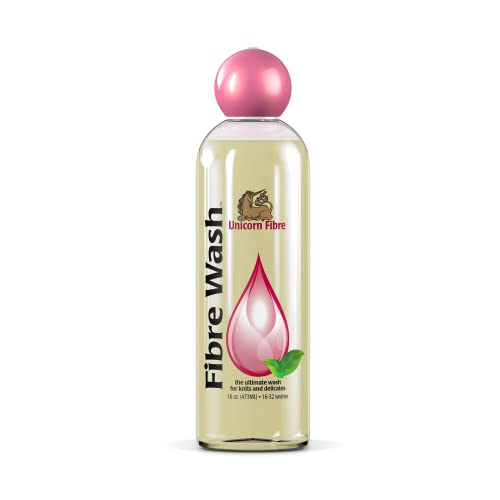
When you are dealing with a thrifted vintage sweater or a project that has been sitting in storage, Unicorn Fibre Wash is your best friend. It is a powerful cleaner that cuts through grime and dust better than most gentle washes.
This is not necessarily for your weekly wash, but rather for the heavy-duty lifting. It’s excellent for cleaning raw fleece or heavily soiled garments that need a bit more "oomph" to get clean.
Because it is so effective, you must follow the instructions carefully to avoid over-cleaning. Over-washing can eventually strip the fiber of its character, so use this only when necessary.
Twig & Horn Wool Soap: Best for Gentle Care
Twig & Horn offers a classic approach to fiber care with a soap that feels traditional and artisanal. It is specifically designed to be pH-balanced for animal fibers, ensuring the cuticle of the wool remains smooth.
If you have invested in high-end, hand-dyed wool or luxury blends, this is a fantastic choice. It respects the integrity of the fiber without adding unnecessary additives or perfumes.
It is particularly good for those who prefer an unscented option that keeps the focus on the natural smell of the wool. It feels like a spa treatment for your favorite heirloom projects.
The Laundress Wool & Cashmere: Best Luxury
The Laundress is the premium choice for those who want to treat their cashmere and fine wool garments like royalty. It has a sophisticated scent and is formulated to protect delicate proteins in luxury fibers.
I recommend this for your most prized sweaters—the ones made from expensive silk-mohair or high-micron cashmere. It helps prevent pilling and keeps the fabric feeling soft and luxurious.
While it is more expensive, the concentration means you only need a small amount per wash. It is an investment in the longevity of your most expensive hand-knits.
Eucalan Lavender: Best Scented Wool Wash
This is essentially the classic Eucalan formula infused with essential lavender oil. Lavender is a natural moth repellent, making this a functional choice for seasonal storage.
If you are putting your wool sweaters away for the summer, washing them in this first is a smart move. It leaves a subtle, clean scent that keeps your closet smelling fresh while deterring pests.
Like the original, it is a no-rinse formula, which makes the end-of-season laundry process much faster. It combines effective cleaning with a practical, protective benefit for your stash.
Why Natural Fibers Require Specialized Washes
Natural fibers like wool, alpaca, and mohair are essentially hair, meaning they have scales that can be damaged by the high pH levels in standard laundry detergents. Regular detergents are designed to break down organic stains, which unfortunately includes the proteins in your yarn.
Using a standard detergent can cause your wool to become brittle, lose its elasticity, and eventually felt. A specialized wool wash is pH-neutral, ensuring the scales of the fiber remain flat and healthy.
- Lanolin content: Helps keep wool soft and water-resistant.
- pH balance: Prevents the fiber from becoming harsh or brittle.
- No-rinse formulas: Reduce the risk of stretching or felting during the rinse cycle.
How to Properly Soak Your Hand-Knitted Items
Proper soaking is an art form that requires patience and the right tools. Fill a basin with cool water, add your wool wash, and gently submerge the garment without scrubbing or twisting.
Let the piece soak for at least 15 to 20 minutes to allow the soap to penetrate the fibers and lift away dirt. If you scrub, you risk creating friction that leads to felting, especially with non-superwash wools.
Once soaked, gently lift the garment and support its weight with your hands. Never lift a heavy, wet sweater by the shoulders, as the weight of the water will permanently distort the shape.
Common Mistakes to Avoid When Blocking Wool
The biggest mistake I see is over-stretching a garment during the blocking process. While lace needs tension to open up, a stockinette sweater should be blocked to its intended measurements, not stretched to the breaking point.
Another common error is using water that is too hot or too cold. Always use tepid, room-temperature water to avoid thermal shock, which can cause fibers to shrink or felt instantly.
- Avoid wringing: Always roll the item in a towel to press out excess moisture.
- Check the label: Always ensure your wool is superwash before assuming it can handle machine washing.
- Don’t rush: Let the piece dry completely flat in a well-ventilated area before wearing it.
Caring for your hand-knits is a rewarding part of the fiber arts journey that ensures your garments remain beautiful for decades. By selecting the right wash and treating your pieces with the gentleness they deserve, you protect the time and love you poured into every stitch. Remember that every fiber has its own personality, so take the time to learn what your yarn needs to thrive. Happy knitting, and may your finished objects always be as soft as the day they were cast off.