6 Best Yarn Swift Replacement Clamps For Table Mounting
Secure your yarn swift with these 6 top-rated table clamps. Discover durable, stable mounting solutions that ensure smooth winding and prevent fiber tangles.
A yarn swift is the unsung hero of a knitter’s workspace, turning the tedious task of untangling a freshly dyed skein into a smooth, rhythmic process. When the original clamp inevitably cracks or loses its grip, the entire winding process grinds to a halt. Finding a reliable replacement isn’t just about parts; it’s about restoring the mechanical harmony required to prepare your yarn for the needles. Choosing the right clamp ensures your swift remains steady, preventing the dreaded "yarn barf" that happens when a swift wobbles or collapses under tension.
Stanwood Needlecraft Replacement Clamp: Best Overall
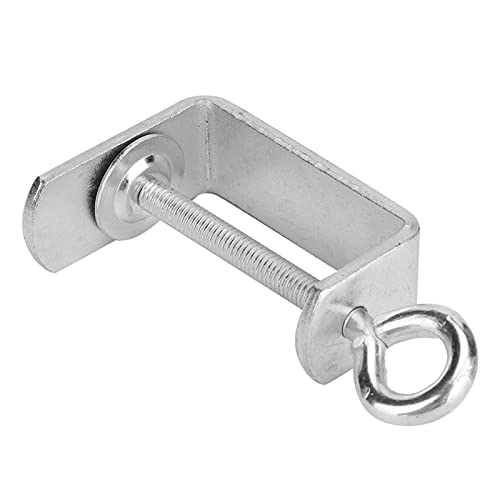

When you need a workhorse that fits the widest variety of tabletop swifts, the Stanwood replacement clamp is the gold standard. It is designed with the understanding that most knitters are working on standard dining tables or desks, providing a reliable, no-nonsense grip that holds firm during rapid winding.
The build quality is consistently high, featuring a robust screw mechanism that resists the vibration caused by spinning a heavy hank of wool. If you’ve ever had a swift tip over while winding a 100-gram skein of sport-weight alpaca, you know that stability is non-negotiable.
This clamp excels because it balances durability with ease of use. It’s an ideal choice for the knitter who wants a "set it and forget it" solution that won’t mar their furniture finish.
Lacis Wooden Swift Clamp: Top Premium Selection
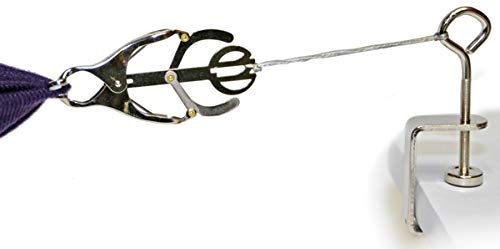
For those who appreciate the tactile beauty of wooden tools, the Lacis clamp is a stunning, functional upgrade. It’s crafted from high-quality hardwood, offering a level of aesthetic integration that plastic hardware simply cannot match.
Beyond its looks, this clamp provides a surprisingly firm hold on thicker table edges. The natural friction of the wood against wood or laminate surfaces often provides a more secure connection than slick plastic alternatives.
However, keep in mind that wood requires a bit more care. You’ll want to avoid overtightening if your table surface is delicate, as the rigid material doesn’t offer the same "give" as rubber-coated clamps.
Knit Picks Yarn Swift Clamp: Best Budget Choice

We have all been there: you’ve just splurged on a beautiful hand-dyed silk-merino blend, and your swift clamp snaps during the final yard of winding. The Knit Picks replacement is the perfect "save the day" purchase that doesn’t break the bank.
It is straightforward, lightweight, and effective for standard-sized swifts. While it might lack the heavy-duty metal components of more expensive models, it handles light-to-medium fingering weight projects with ease.
If you are a casual knitter or someone who only winds yarn occasionally, this is your best bet. It’s a functional, honest tool that gets the job done without unnecessary bells and whistles.
Ashford Replacement Clamp: Best for Heavy Swifts

Ashford is a legendary name in the fiber world, and their replacement clamp reflects their heritage of building tools meant to last generations. This clamp is significantly beefier than standard options, making it the top choice for heavy, wooden umbrella swifts.
If you are winding large, heavy cakes of bulky yarn, you need a clamp that can withstand constant torque. This piece of hardware is designed to distribute pressure evenly, preventing the swift from twisting or leaning during the winding process.
While it is an investment, it’s worth every penny for the peace of mind it provides. You won’t find yourself constantly adjusting the clamp midway through a winding session.
Strauch Fiber Equipment Clamp: Best for Stability

Stability is the primary concern for any knitter using a high-end ball winder, and Strauch delivers exactly that. This clamp is engineered to minimize lateral movement, which is essential when you are working at high speeds.
If you find that your swift tends to "walk" across the table as you wind, this is the solution you need. The precision of the threading allows for a micro-adjustment that ensures a rock-solid connection to your workspace.
It is particularly useful for those who wind large, heavy skeins of yarn that create significant drag. A stable swift means less strain on your hands and a much more uniform cake of yarn.
Amish Style Swift Replacement Clamp: Best Universal
The Amish-style swift is a unique beast, and it requires a specific type of clamp to function properly. These swifts sit flat on the table, meaning the clamp acts more as a stabilizing anchor than a vertical support.
This replacement clamp is designed to accommodate the horizontal footprint of these wooden structures. It excels at keeping the base firmly pinned to the table, ensuring the rotating arms can spin freely without the entire unit sliding around.
It is a simple, effective design that honors the traditional mechanics of the Amish swift. If you’ve struggled to find a clamp that fits the unique base of your wooden swift, this is almost certainly the piece you’ve been looking for.
How to Measure Your Swift Stem for a Perfect Fit
Before you click "buy," you must measure the diameter of your swift’s stem or base. A clamp that is too loose will cause your swift to wobble, while one that is too tight will likely crack the housing.
- Use digital calipers: These provide the most accurate reading of the stem’s diameter.
- Check the shape: Is your stem round, square, or flat? Ensure the clamp opening matches the geometry of your swift.
- Account for padding: If you plan to use a rubber gasket or felt pad for protection, include that in your final measurement.
Taking these three minutes to measure will save you the frustration of a return. Precision at the start leads to a lifetime of smooth winding.
Essential Tips for Securing Swifts to Thick Tables
Many modern dining tables are significantly thicker than the standard office desks these swifts were designed for. If your table edge is thicker than 2 inches, you may need a clamp with an extended throat depth.
If you cannot find a clamp that fits, consider using a secondary C-clamp to secure the swift base to a thin piece of plywood, which you then clamp to the table. This "bridge" method is a common trick among veteran knitters.
Always prioritize a flat, stable surface. Even the best clamp will fail if the table surface is uneven or has a beveled edge that prevents a flush fit.
Maintenance Guide for Long-Lasting Swift Hardware
To keep your clamps functioning smoothly, treat them with the same respect you give your needles. Periodically check the screw threads for debris or lint, which can cause the mechanism to bind.
If you use a metal clamp, a tiny drop of machine oil on the screw threads once a year will keep the movement buttery smooth. For wooden clamps, a light rub with a bit of beeswax will protect the finish and provide extra grip.
Store your clamps in a dry environment to prevent rust or warping. A small zip-top bag kept with your swift ensures that all the hardware stays together between projects.
Troubleshooting Common Swift Clamp Slippage Issues
If your clamp starts slipping, it is usually due to a loss of friction, not a failure of the clamp itself. Often, the culprit is a smooth, finished table surface that doesn’t provide enough "bite" for the clamp’s pads.
Try placing a thin piece of shelf liner or a rubber jar opener between the clamp and the table. This simple addition creates a high-friction interface that stops almost any slippage instantly.
If the issue persists, check the pivot point of the swift. Sometimes the swift itself is balanced poorly, creating uneven tension that pulls the clamp out of alignment regardless of how tight it is.
Investing in a high-quality replacement clamp is a small price to pay for the preservation of your yarn and your sanity. By choosing the right hardware for your specific swift and table setup, you turn a chore into a seamless part of your creative process. May your cakes always be perfectly wound and your yarn remain forever tangle-free. Happy knitting!