7 Best Fiber Spinning Tutorials For Technique Improvement
Master fiber spinning with these 7 top tutorials. Refine your drafting, twist control, and plying skills to elevate your yarn quality and technical expertise.
Spinning your own yarn is the ultimate way to achieve total control over the fabric of your finished garments. Whether you are aiming for a lofty, air-filled sweater or a crisp, stitch-defining accessory, mastering these techniques will elevate your work. This guide breaks down the essential skills needed to transition from a novice spinner to a confident fiber artist. By focusing on these core areas, you will find more joy and consistency in every bobbin you fill.
Mastering the Long Draw for Soft Woolen Yarns
The long draw is the secret to creating those ethereal, cloud-like yarns that make for the most comfortable sweaters. By allowing the twist to travel into the fiber supply, you create a structure that traps air and softens the hand of the finished piece.
Many beginners struggle with the "thump" of uneven yarn, but the key is maintaining a steady rhythm between your drafting hand and the wheel’s intake. If you find your yarn snapping, you are likely holding the fiber too tightly; relax your grip to let the twist do the work for you.
This technique isn’t just about speed; it is about creating a woolen-spun structure that blooms beautifully after blocking. Once you master the long draw, you will find that your garments have a superior drape and a much lighter weight than commercial equivalents.
Achieving Consistent Singles With Worsted Drafts
Worsted drafting is the polar opposite of the long draw, demanding a precise "pinch and pull" motion that keeps the twist out of the drafting zone. This method creates a dense, smooth yarn that is perfect for hard-wearing items like socks or intricate cables.
Consistency is the biggest hurdle here, as any variation in your drafting speed will result in thick and thin spots. To combat this, I recommend focusing on your fiber preparation—a smooth, well-combed top makes it infinitely easier to pull even lengths of fiber.


Don’t be discouraged if your first few bobbins look a bit rustic. Achieving a perfectly even single is a skill that develops with muscle memory, so keep your drafting hand close to the twist for maximum control.
Troubleshooting Common Drafting and Twist Issues
Every spinner eventually hits a wall where the yarn keeps breaking or the twist just won’t behave. When this happens, stop and look at your "triangle of draft"—the space between your drafting hand and the twist.
If the yarn is over-twisted, you are likely drafting too slowly or your wheel ratio is too high. Conversely, if the yarn is falling apart, you need to slow your feet down or move your hands closer to the orifice to catch the twist sooner.
Remember that twist is the glue that holds your yarn together. If you are struggling, try spinning a slightly thicker yarn; it is much more forgiving than a fine, lace-weight thread when you are still learning the ropes.
Techniques for Spinning Short Staple Fiber Blends
Short staple fibers like cotton, angora, or fine Merino can be notoriously difficult to manage if you use the same tension as you would for long-staple wool. These fibers require a delicate touch and often perform best with a supported spindle or a high-ratio wheel.

The biggest mistake is trying to draft these fibers too quickly, which leads to immediate breakage. Instead, try using a short-draw method, keeping your hands very close together to maintain control over the slippery or short fibers.
Blending these with a longer-staple fiber, like Bluefaced Leicester or silk, can provide the "scaffolding" needed for success. Don’t be afraid to experiment with blends; they often offer the best of both worlds in terms of softness and durability.
Advanced Plying Methods for Balanced Yarn Results
Plying is where you turn your singles into a balanced, usable yarn that won’t bias when knitted into a flat fabric. A balanced yarn is one that sits flat without curling or twisting back on itself when you let a loop hang loose.
The most common error is under-plying, which leads to a yarn that lacks structural integrity. Always remember to ply in the opposite direction of your spinning; if you spun clockwise (Z-twist), you must ply counter-clockwise (S-twist).
For those looking to level up, try a Navajo (chain) ply to keep your colors consistent in variegated hand-dyed fiber. It takes practice to keep the loops even, but the result is a round, sturdy three-ply yarn that is ideal for nearly any project.
Managing Fiber Preparation for Smoother Spinning
Preparation is 90% of the battle when it comes to spinning a high-quality yarn. Whether you are working with raw fleece or commercially prepared top, the way you organize your fiber dictates the ease of your draft.
If you are using top, try predrafting—gently pulling the fiber apart into thinner strips—before you ever sit down at the wheel. This reduces the amount of work your hands have to do while spinning, allowing you to focus entirely on consistency.
Avoid the temptation to spin directly from a tangled mass. Taking ten minutes to organize your fiber into manageable nests will save you hours of frustration and broken threads during your actual spinning session.
Essential Ergonomics for Long Spinning Sessions
Spinning is a repetitive motion sport, and if you don’t pay attention to your posture, you will feel it in your shoulders and wrists. Keep your wheel at a height where your elbows are naturally at your sides, not hunched up toward your ears.
I always advise my students to switch up their seating or use a footrest if their back begins to ache. Small adjustments, like moving your chair a few inches left or right, can prevent the repetitive strain that often plagues long-term fiber artists.
Listen to your body; if your hands feel cramped, you are likely gripping the fiber with too much force. Loosen your hold, take a stretch break, and remember that spinning should be a meditative, relaxing experience, not a chore.
How to Choose the Best Spindle for Your Technique
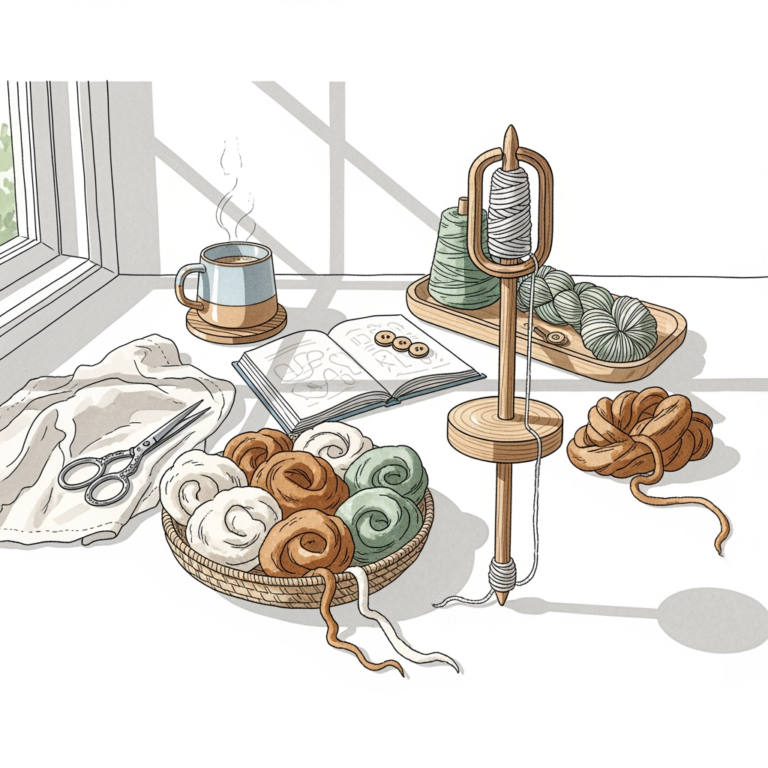
Choosing the right spindle is a personal journey that depends entirely on the fiber you are spinning and your preferred draft. A heavy, bottom-whorl spindle is excellent for beginners learning to control the twist, while a light, top-whorl spindle is perfect for fine, fast spinning.
If you are struggling to keep your spindle spinning, you might need more weight at the bottom, or you might be trying to spin a fiber that is too fine for your tool. Don’t be afraid to swap tools based on the project at hand; a master spinner rarely relies on just one spindle.
Consider the surface of your spindle as well. A smooth, polished wood spindle is great for slippery fibers like silk, while a slightly textured surface can provide the extra grip needed for bouncy wools.
Understanding Fiber Twist and Its Effect on Drape
Twist angle is the invisible architect of your finished garment. A high-twist yarn will be crisp and durable, making it perfect for socks that need to withstand friction, while a low-twist yarn will be soft and drapey, ideal for a delicate lace shawl.
You must consider the final use of the yarn before you start spinning. If you are aiming for a garment that needs to hold its shape, don’t skimp on the twist; if you want a fabric that flows like water, keep the twist light.
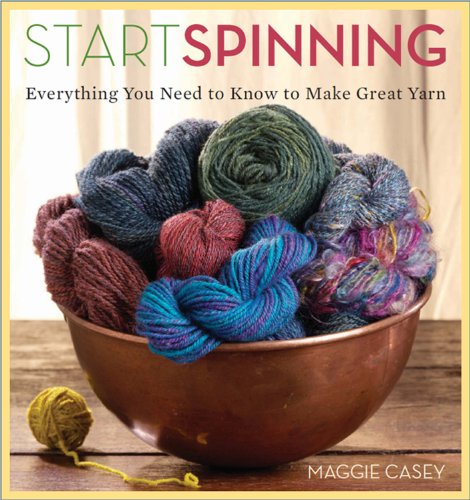
Remember that blocking will also change the way your yarn behaves. A high-twist yarn will often "bloom" and soften significantly after a good soak, so always knit a swatch to see how your hand-spun yarn reacts to the finished fabric environment.
Maintaining Your Spinning Wheel for Peak Performance
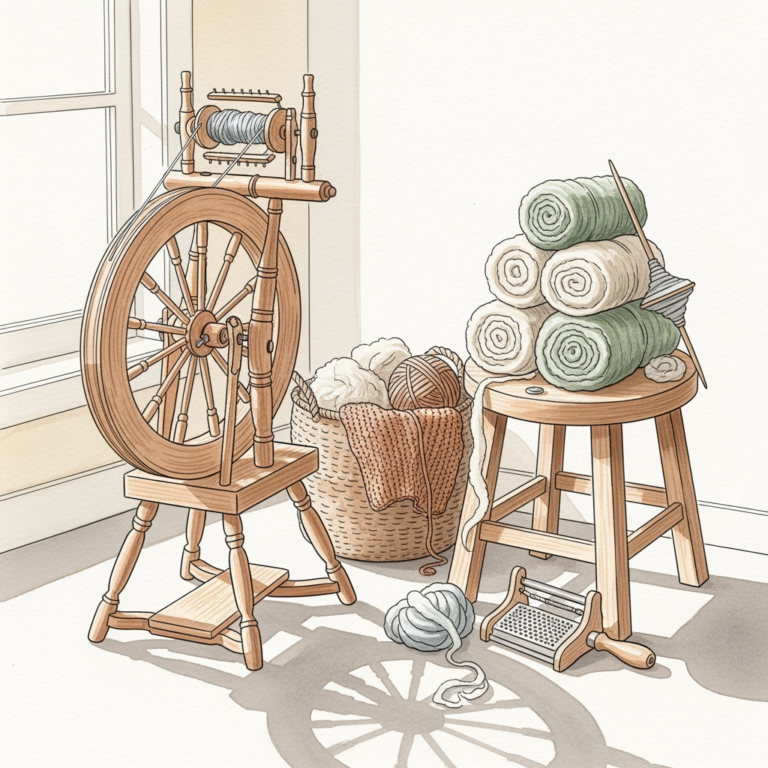
A well-maintained wheel is a joy to use, while a neglected one will fight you at every turn. Keep your flyer hooks clean, check your drive band tension, and ensure your treadles are moving smoothly without squeaking.
Oil your wheel regularly, but be careful not to over-oil; a single drop in the right place is far better than a puddle in the wrong one. Check your drive band for fraying, as a slipping band is the most common cause of inconsistent twist.
Treat your wheel like a precision instrument, not a piece of furniture. When your wheel is running at its best, you can focus on your fiber and technique, allowing your creativity to take center stage.
Spinning is a craft that rewards patience, experimentation, and a willingness to learn from every yard of yarn you produce. By mastering these foundational techniques, you will find yourself better equipped to choose the right fiber and tools for any knitting project you envision. Keep practicing, trust your hands, and enjoy the meditative process of creating your own unique materials. Your knitting will be all the better for the heart and skill you put into every single strand.