6 Best Immersion Heaters For Small Batch Dyeing
Achieve precise color results with our top 6 immersion heaters. We review the best compact, efficient models perfect for consistent small-batch fabric dyeing.
Achieving consistent, professional-grade color in your hand-dyed yarn requires precise temperature control that a standard stovetop simply cannot provide. Whether you are working with delicate protein fibers like wool or durable cellulose like cotton, the right immersion heater acts as the silent partner in your dye studio. By maintaining a steady heat, these tools prevent the uneven exhaustion of dye baths that leads to splotchy results. This guide will help you select the perfect equipment to elevate your small-batch dyeing from a messy experiment to a repeatable craft.
Inkbird Sous Vide Precision Cooker: Best Overall


When you are aiming for deep, saturated color in a skein of Superwash Merino, temperature stability is non-negotiable. The Inkbird Sous Vide Precision Cooker excels here because it functions as both a heater and a circulator, ensuring the dye liquor moves constantly around your fiber.
This constant movement is the secret to avoiding "strike" issues where the dye grabs too quickly in one spot. Because it clips easily to the side of a stockpot, it allows you to maintain a precise temperature—usually around 185°F for acid dyes—without the risk of scorching your yarn on the bottom of the pot.
The trade-off is that it requires a relatively deep pot to function properly, as the water level must reach the minimum fill line. If you are only dyeing a single 50-gram mini-skein, this might be overkill, but for a standard 100-gram project, it is the gold standard for repeatable, professional results.
VEVOR 3000W Immersion Heater: Best for Large Pots
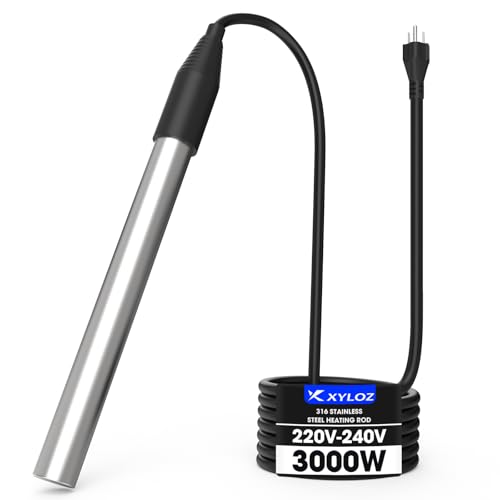
If you are a production dyer preparing a large batch of yarn for a sweater quantity, you need raw power. The VEVOR 3000W heater is a heavy-duty tool designed to heat large volumes of water quickly, saving you precious time during your studio sessions.
Unlike precision cookers, this is a "dumb" heating element, meaning it lacks a built-in thermostat. You must pair it with an external temperature controller or monitor it closely with a thermometer to ensure you don’t boil your delicate wool fibers, which would lead to unwanted felting.

This heater is best suited for those who are comfortable managing their own heat cycles and have a large setup. It is a workhorse, but it demands your full attention to prevent fiber damage.
BN-LINK Digital Sous Vide Cooker: Best for Accuracy
Accuracy is the difference between a soft, tonal colorway and a muddy, over-processed mess. The BN-LINK digital cooker is prized by fiber artists for its incredibly tight temperature variance, which is essential when working with sensitive natural dyes.
The digital interface is intuitive, allowing you to set your temperature and walk away to wind your next cake of yarn. It takes the guesswork out of the process, ensuring that your dye bath stays exactly where you need it for the duration of the immersion.
The primary limitation is the flow rate; it is not as powerful as high-end kitchen circulators. It works beautifully for smaller pots, but if you push it to its maximum capacity, you may find hot spots developing in the dye bath.
Buhbo 2000W Bucket Heater: Best for Fast Heating
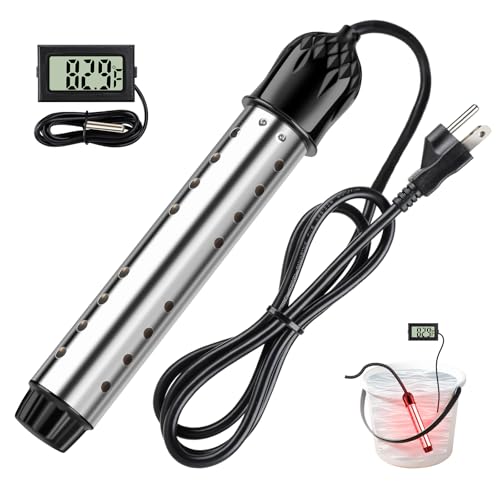
Sometimes you just need to get the dye bath up to temperature so you can start the immersion process immediately. The Buhbo 2000W bucket heater is a simple, no-frills tool that heats water aggressively and efficiently.
It is particularly useful for those who use large plastic dye bins rather than stainless steel pots, as it is designed to be fully submerged. However, you must be careful to avoid touching the heating element to the sides of a plastic container, as it will melt the material.
This tool is a great secondary aid for speeding up your workflow. Just keep a reliable analog thermometer nearby, as this heater does not have an automatic shut-off feature.
Mudder Portable Immersion Heater: Best for Travel

If you are teaching a dyeing workshop or traveling to a fiber retreat, you need a heater that fits in your project bag. The Mudder portable immersion heater is compact and lightweight, making it ideal for small, experimental batches on the go.
It is not designed for large-scale production, and it won’t heat a gallon of water in minutes. However, for a small glass jar or a tiny stainless steel pot used for testing new dye combinations, it is perfectly adequate.
Use this for quick color testing or small-batch samples where you don’t want to haul heavy equipment. It is a niche tool for specific, small-scale needs rather than a primary studio heater.
OMMO Sous Vide Precision Cooker: Best Budget Pick

The OMMO Sous Vide cooker offers a fantastic entry point for the knitter who wants to move beyond stovetop dyeing without a massive investment. It provides the same circulation benefits as more expensive models, ensuring your dye is distributed evenly across the yarn.
It is surprisingly quiet, which is a blessing if you dye while listening to podcasts or catching up on your latest knitting pattern. The clamp mechanism is secure, fitting most standard pots found in any kitchen.
While it may not have the rugged build quality of industrial heaters, it is more than capable of handling a hobbyist’s workload. It is the perfect choice for a knitter just starting their dyeing journey.
How to Select the Right Heater for Your Dye Bath
Choosing the right heater depends entirely on the volume of yarn you plan to process and the type of dye you are using. Acid dyes for wool require a steady, controlled heat, while natural dyes often benefit from a long, slow simmer.
Consider the material of your dye pot; stainless steel is the industry standard because it is non-reactive. Ensure your heater is compatible with the depth of your pot, as many immersion tools have a minimum water line that must be respected to prevent the internal electronics from burning out.
Always factor in your "work-to-play" ratio. If you want to spend more time knitting and less time monitoring a thermometer, invest in a precision cooker with a built-in thermostat.
Safety Protocols for Dyeing With Immersion Tools
Dyeing involves electricity, water, and heat—a combination that demands respect. Always ensure that your heater is rated for the container size you are using and never leave an active heater unattended for long periods.
Always unplug the device before removing it from the water to avoid damaging the heating element. Additionally, wear protective gloves and a respirator when handling powdered dyes, as these fine particles can be harmful if inhaled during the mixing process.
Keep your workspace dry and free of clutter. A well-organized studio is a safe studio, especially when you are juggling wet yarn and electrical cords simultaneously.
Maintaining Your Heater for Consistent Dye Results
Mineral buildup from hard water can significantly reduce the efficiency of your heater over time. After every few dyeing sessions, check the heating element for scale and clean it with a mild vinegar solution to ensure optimal performance.
Never submerge the electrical head of a precision cooker in water, as this will ruin the sensitive internal components. Wipe the exterior down with a damp cloth and store it in a clean, dry place to prevent corrosion.
Regular maintenance ensures that your equipment lasts for years. A clean heater provides consistent heat, which directly translates to consistent color saturation across your yarn batches.
Essential Gear for Safe Small Batch Fiber Dyeing
Beyond the heater, you need a few essential items to ensure your dyeing is successful and safe. Invest in a set of heat-resistant gloves, a digital scale for measuring dye powder, and a dedicated set of stainless steel utensils that are never used for food.
You will also need a reliable thermometer to verify the heater’s accuracy, as built-in sensors can drift over time. Finally, keep a notebook to track your "recipes"—the ratio of dye to fiber and the temperature stages—so you can recreate your favorite colorways later.
These tools, combined with your choice of immersion heater, will give you the control you need to create beautiful, custom-dyed yarn. Happy dyeing, and may your colors always strike exactly as you intended.
Selecting the right immersion heater is a pivotal step in taking control of your yarn’s color palette. By prioritizing temperature stability and safety, you ensure that your precious fibers are treated with the care they deserve during the dyeing process. Whether you choose a high-precision digital cooker or a rugged bucket heater, your setup will soon become an extension of your creative process. Embrace the science of dyeing, and enjoy the beautiful, unique yarns that emerge from your own studio.