
6 Best Blocking Wires For Lacy Edges To Use
Achieve professional lace finishes with our top 6 blocking wire picks. Discover the best materials and lengths to ensure perfectly crisp, even edges every time.
There is nothing quite as transformative as watching a crumpled, tight piece of lace bloom into a delicate masterpiece during the blocking process. While pins are useful for small motifs, blocking wires are the secret weapon for achieving perfectly straight edges on shawls and scarves. Investing in a quality set of wires saves you hours of tedious pinning while ensuring your hard work truly shines. Here are the best options currently available to help you achieve professional-level results at home.
Knitter’s Pride Stainless Steel Blocking Wires


These wires are a staple in many professional studios because they are incredibly durable and resistant to rust. Stainless steel is the gold standard here, as you never have to worry about metallic residue staining your delicate mohair or silk lace.
The set typically includes a mix of long and short wires, which is crucial for handling both the sweeping curves of a crescent shawl and the straight edges of a rectangular wrap. Because they are rigid, they provide a consistent tension that pins simply cannot replicate.
The only downside is that they require a bit of practice to thread correctly without snagging. However, once you master the technique, you will find that these wires cut your blocking time in half.
Cocoknits Eko Blocking Wire Starter Kit Set
Cocoknits has a knack for making tools that are as beautiful as they are functional, and their Eko kit is no exception. These wires are designed with a focus on sustainability and ease of use, featuring a smooth finish that glides through stitches effortlessly.
What sets this kit apart is the attention to detail in the packaging and the inclusion of helpful accessories. It feels like a premium experience, which is often a welcome relief when you are exhausted after finishing a complex lace project.
If you are a knitter who appreciates a well-organized workspace, this kit is a fantastic investment. It keeps everything tidy and ensures you aren’t hunting for a stray wire in the middle of a blocking session.
Lacis Flexible Steel Blocking Wire System

If you are working on a project with intricate, non-linear edges, rigid wires can sometimes feel like they are working against you. The Lacis flexible system is the answer to this problem, allowing you to bend the wire to follow the contour of your lace.
These are particularly useful for circular shawls or projects with scalloped edges where a straight line would distort the pattern. The flexibility allows for a gentle tension that respects the drape of the fabric rather than forcing it into an unnatural shape.
Keep in mind that because they are flexible, they do not provide the same "snap" as rigid wires. Use these when the shape of your lace is the priority over perfectly sharp, geometric corners.
Ashford Stainless Steel Blocking Wire Set
Ashford is a name synonymous with quality in the spinning and weaving community, and their blocking wires reflect that pedigree. These are robust, heavy-duty wires that can handle even the most stubborn, tightly-knit wool.
The thickness of these wires is a major advantage for larger projects or heavier lace weights. They won’t bow or bend under the pressure of the yarn, which is a common complaint with cheaper, thinner alternatives on the market.
While they might be overkill for a delicate lace-weight silk project, they are indispensable for wool-based shawls. If you tend to knit with rustic, high-twist yarns, these are the wires you want in your kit.
Susan Bates Knit-Check Blocking Wire Tool
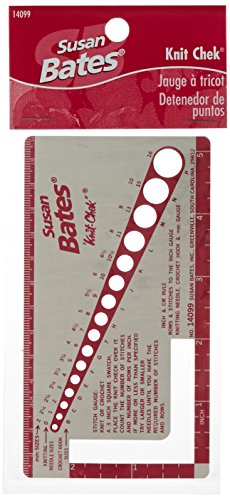
This tool is a bit of a classic, often overlooked in favor of newer, flashier kits. It serves as a practical, no-nonsense solution for knitters who need something reliable without a high price tag.
It is particularly effective for those who are just starting their journey into lace knitting. You don’t need a professional-grade kit to get started, and this tool provides the basic functionality required to get the job done.
The trade-off here is the lack of variety in length. You may find yourself needing to improvise or overlap wires more often than you would with a comprehensive set, but it remains a solid entry-level choice.
Boye Steel Blocking Wire and Pin Combo Kit
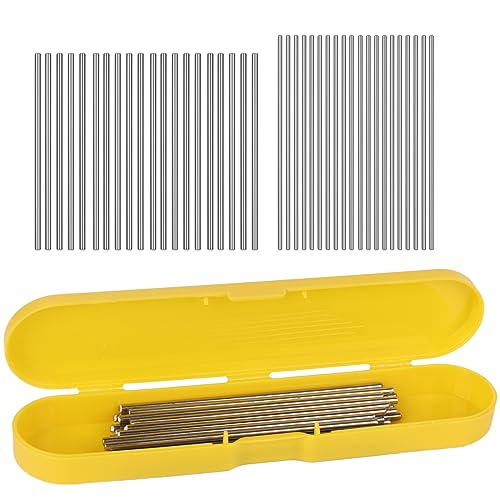
The Boye kit is a great "all-in-one" solution for the knitter who wants to have everything ready to go right out of the box. It combines wires with a set of T-pins, which are essential for securing the wires to your blocking mat.
It is a very accessible option that is easy to find in most craft stores. If you are mid-project and realize you need blocking tools immediately, this is the kit that will likely be available on the shelf.

While the wires might not be as high-end as some boutique options, they are perfectly functional for standard lace projects. It is a workhorse kit that gets the job done without any unnecessary frills.
Why Blocking Wires Are Essential for Lace
Lace knitting is essentially the art of managing holes and tension, and blocking is where that structure is finalized. When you wash your project, the fibers relax, and the wires act as a skeleton to hold the lace in its intended shape as it dries.
Without wires, you are left to rely on dozens of individual pins. This often leads to "scalloping" or uneven edges where the pins pulled the fabric at inconsistent intervals.
Wires distribute the tension evenly across the entire edge of the project. This results in a professional, clean finish that highlights the beauty of your yarn choice and the complexity of your stitch pattern.
How to Properly Thread Wires Through Stitches
Threading a wire is an art form that requires patience and a steady hand. Start by identifying the "selvage" or edge stitches of your project, ensuring you are weaving the wire through the loops consistently.
Avoid the temptation to pull the wire through too quickly, as this can catch on delicate fibers and cause a snag. Instead, gently work the wire through a few inches at a time, checking your progress to ensure you haven’t skipped a stitch.
If you are working with a very fine lace, it can be helpful to use a blunt tapestry needle to "guide" the wire through the first few stitches. Once you have a rhythm, it becomes a meditative part of the finishing process.
Choosing Between Flexible and Rigid Wires
The choice between flexible and rigid wires comes down to the geometry of your project. Rigid wires are superior for anything with straight lines, such as rectangular scarves, triangular shawls, or square doilies.
Flexible wires are your best friend for anything circular, oval, or highly decorative at the border. They allow you to pin the project into a curve without creating sharp, unintended points in the lace.
If you can only afford one set to start, I recommend a rigid stainless steel set. You can always use a few pins to help shape a curve, but you cannot make a flexible wire act like a perfectly straight, rigid edge.
Best Practices for Drying Your Blocked Lace
Once your wires are in place and your lace is pinned down, the drying process is just as important as the setup. Ensure your lace is in a well-ventilated area away from direct heat or harsh sunlight, which can damage natural fibers.
Do not rush the process by using a hairdryer or placing the project too close to a radiator. Natural, slow drying is the best way to ensure the fibers "set" into their new shape permanently.
Check your project after a few hours to ensure the tension is still even. If the fabric feels damp, leave it for at least 24 hours; it is much better to wait an extra day than to unpin a project that is still slightly moist, as it will lose its shape almost immediately.
Blocking wires are an investment that will fundamentally change the way you look at finishing your knitting projects. By providing consistent tension and clean edges, they allow your lace to reach its full potential. Choose the set that best fits your typical project size and shape, and you will find that the final step of knitting is just as rewarding as the first. Happy blocking, and may your edges always be perfectly straight.