6 Best Tension Rings For Consistent Bead Placement
Achieve precision in jewelry making with our top 6 tension rings. This guide highlights tools that ensure consistent bead placement for professional results.
Achieving uniform bead placement in your knitting requires more than just a steady hand; it demands consistent yarn tension that doesn’t waver over hours of work. When you incorporate beads, even a slight variation in how the yarn feeds can lead to uneven stitch definition or sagging motifs. Tension rings act as a stabilizing anchor, ensuring your yarn stays at a constant distance from your needles. These six tools offer different mechanical approaches to solving the age-old problem of uneven tension in beaded projects.
Clover Adjustable Yarn Guide: Best Overall Choice
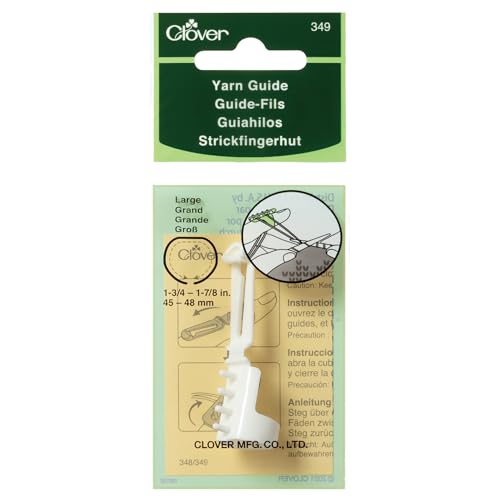

The Clover Adjustable Yarn Guide is a staple for a reason, offering a balance of simplicity and reliability that suits almost any knitter. Its plastic construction is lightweight, meaning you’ll barely notice it’s on your finger during long sessions of beaded lace.
Because it is adjustable, you can customize the fit to your specific finger size, which is critical for maintaining comfort over hours of knitting. It works exceptionally well with both thin laceweight yarns and more robust fingering weights.
The primary trade-off here is the plastic material, which can feel a bit flimsy compared to metal alternatives. However, for those just starting to experiment with beads, this is the most forgiving entry point.
Prym Ergonomic Knitting Thimble: Best for Comfort
If you suffer from hand fatigue or have sensitive joints, the Prym Ergonomic Knitting Thimble is a game-changer. It features a unique design that sits comfortably on the index finger, distributing the pressure of the yarn across a wider surface area.
This tool is particularly effective for colorwork or beaded projects where you are managing multiple strands. By keeping the yarn elevated and organized, it prevents the "death grip" that many knitters develop when trying to keep beads centered.
While it excels in comfort, it can take a bit of practice to get used to the bulkier profile. It’s not as minimalist as a simple ring, but your hands will thank you after a long evening of knitting.
Cocoknits Metal Tension Ring: Best for Durability
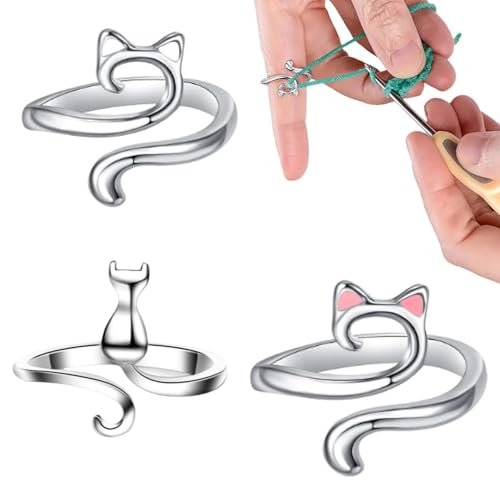
When you want a tool that will last a lifetime, the Cocoknits Metal Tension Ring is the gold standard. Its sleek, minimalist design is made from high-quality metal that doesn’t snag or drag on delicate fibers like silk or mohair.
The weight of the metal provides a natural, steady feed that helps keep your gauge consistent throughout an entire project. It is especially useful if you tend to knit with slick needles, as the ring provides the necessary friction to keep the yarn from slipping off the needle tips.
Because it is a fixed-size ring, you need to be precise about your sizing before purchasing. It is a professional-grade tool that rewards those who take the time to find their perfect fit.
YarnTension Ring Peacock Style: Best for Design

The Peacock Style tension ring is as much a piece of jewelry as it is a functional tool. Beyond its aesthetic appeal, the intricate metalwork provides multiple points of contact for the yarn to weave through, which helps in controlling tension for complex beaded patterns.
This ring is excellent for knitters who find that standard guides don’t provide enough "drag" on the yarn. By looping your yarn through the peacock’s tail, you can create a customized amount of tension that stays locked in place.
However, the ornate design can occasionally snag on fuzzy yarns like alpaca or angora. If you are working with smooth, plied wools, this is a beautiful and highly effective choice.
Beadsmith Wire Tension Guide: Best for Precision

The Beadsmith Wire Tension Guide is designed specifically for those who need surgical precision in their bead placement. It is a simple, no-nonsense tool that forces the yarn to follow a very specific path, ensuring every bead sits exactly where it should.
This is the preferred choice for advanced knitters working on intricate, high-stakes projects where even a millimeter of variance is unacceptable. It is lightweight, unobtrusive, and does exactly what it claims to do without any bells or whistles.
Because it is so precise, it can feel a bit restrictive compared to other options. It is best suited for those who have already mastered their basic tension and are looking to refine their technique for professional-level results.
KnitPal Tension Adjuster: Best Budget Selection
The KnitPal Tension Adjuster is a fantastic, low-cost solution for knitters who want to try out a tension ring without a significant financial commitment. It provides a simple, adjustable loop that gets the job done without any unnecessary complexity.
It is surprisingly effective at keeping yarn tension consistent, even if it lacks the premium feel of metal tools. It’s a great tool to keep in your notions bag as a backup or for when you are traveling and don’t want to risk losing a more expensive ring.
While it may not offer the same longevity as a stainless steel ring, its performance is more than adequate for most standard projects. It is a practical, no-frills choice for the pragmatic knitter.
Understanding Tension Rings for Beaded Projects
Tension rings work by creating a controlled path for your yarn, which effectively "pre-tensions" the fiber before it reaches your knitting needle. For beaded projects, this is vital because adding a bead often pulls the yarn slightly, which can lead to uneven loops.
Without a ring, your fingers act as the tension guide, but they are prone to fatigue and inconsistency. As you get tired, your grip changes, and your bead placement will inevitably drift.
Using a ring allows you to offload that mechanical task from your body to the tool. This creates a more uniform look across your fabric, which is especially noticeable in stockinette stitch or lace where beads are prominently displayed.
How to Properly Fit Your Ring for Bead Placement
A tension ring should fit snugly on your index finger, but it should never restrict your circulation. If the ring leaves a deep indentation or makes your finger feel cold, it is too tight.
To test the fit, put the ring on and simulate your knitting motion for a few minutes. You want the ring to stay in place without sliding down toward your knuckle, but it should be loose enough that you can easily slide it off when you’re done.
If you are between sizes, it is usually better to go slightly larger and adjust with a small piece of moleskin or medical tape on the inside of the band. A ring that is too small will cause hand cramping, which is the enemy of consistent tension.
Troubleshooting Common Tension Ring Slip Issues
If your ring keeps slipping or rotating while you knit, it is likely due to the texture of your yarn or the weight of the beads. Slick yarns like silk or bamboo require a ring with more "grip" or a more complex yarn path to prevent slippage.
If you find the ring is rotating, try adjusting the way you wrap the yarn around the guide. Sometimes, a simple extra half-turn around the ring’s post can provide the extra friction needed to keep everything locked in place.
Also, consider the weight of your beads; if you are using heavy glass or metal beads, you may need a sturdier ring that won’t bend under the added pull. If the ring is sliding off your finger, check if your skin is dry; a tiny bit of hand lotion or a textured ring band can help it stay put.
Expert Tips for Consistent Beaded Knitting Flow
To achieve the best results, always knit a small swatch with your chosen beads and tension ring before starting your main project. This allows you to see how the yarn interacts with the tool and whether you need to adjust your needle size to compensate for the ring’s influence.
Maintain a rhythmic pace; the ring handles the tension, but your hands still need to provide a steady, consistent movement. If you find your beads are still uneven, try to "set" your stitch by giving the yarn a slight, gentle tug after placing the bead.
Finally, remember that your tension will naturally change as you become more comfortable with the ring. Don’t be afraid to adjust the tool mid-project if you notice your gauge shifting; the goal is a beautiful final fabric, not a rigid adherence to a specific tool setting.
Selecting the right tension ring is a personal journey that balances your unique hand physiology with the demands of your specific project. Whether you prioritize the ergonomic comfort of a thimble or the surgical precision of a wire guide, the goal remains the same: a steady, rhythmic flow that lets your craftsmanship shine. By experimenting with these tools, you will find the one that disappears into your routine, leaving you with nothing but perfectly placed beads and beautiful, consistent stitches. Happy knitting, and may your tension always be as even as your passion for the craft.