7 Best Wool Carders For Processing Raw Fleece Reviewed
Processing raw fleece requires the right tools. We review the 7 best wool carders, comparing efficiency, durability, and ease of use for your fiber projects.
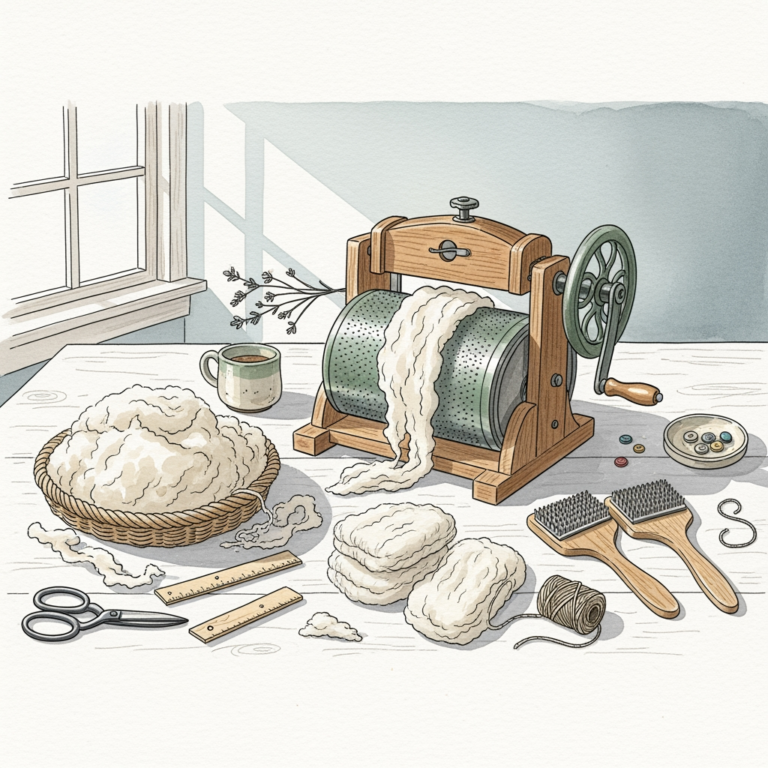
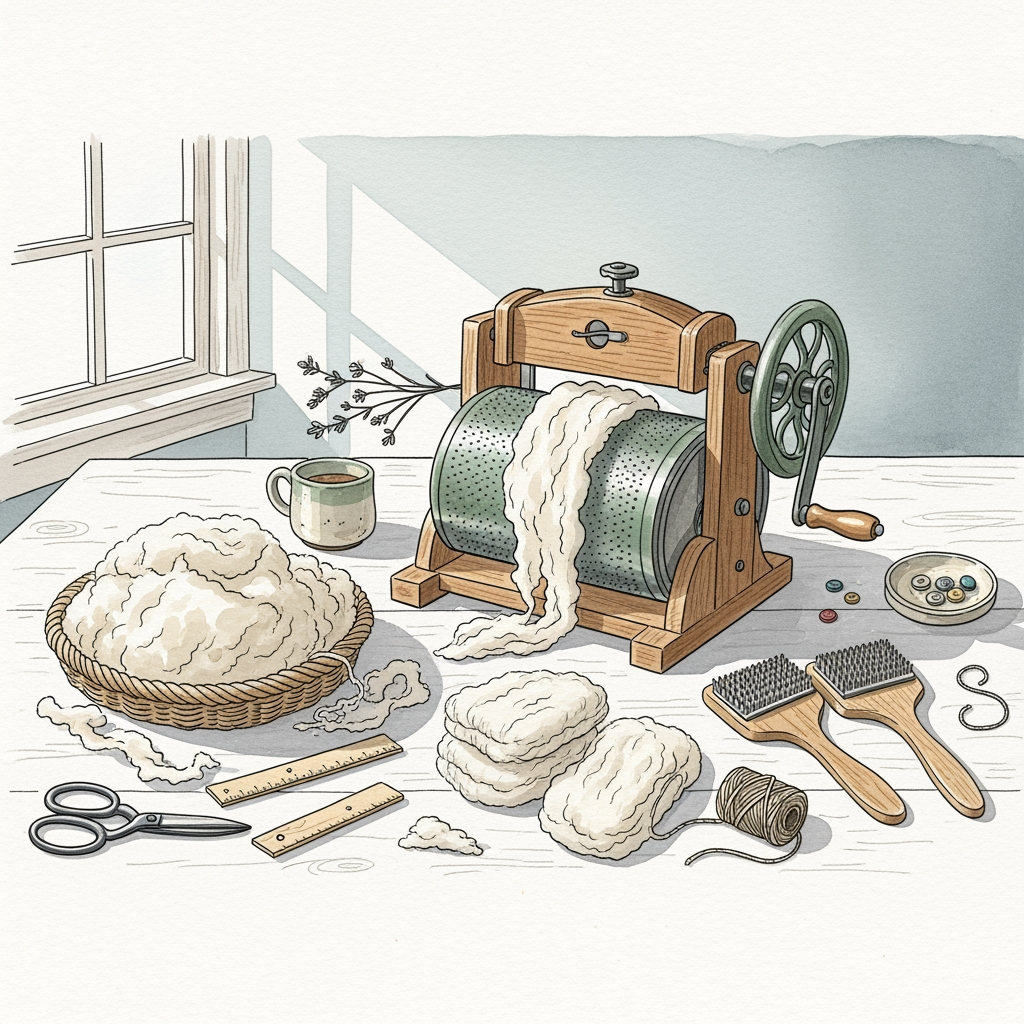
Processing raw fleece from a local farm is the ultimate way to connect with the soul of your finished knitwear. Hand carders are the bridge between a tangled, dirty lock of wool and the smooth, lofty roving you need for consistent spinning. Choosing the right pair of carders can turn a tedious chore into a meditative ritual that improves the quality of your yarn. This guide breaks down the best tools available to help you prepare your fiber for the needles.
Patrick Green Pat Green Single Wide Carders


These carders are the gold standard for fiber artists who demand durability and precision. They feature a unique, sturdy construction that stands up to years of heavy-duty processing, even when working with coarser, greasy fleeces.
The key to their performance lies in the specialized carding cloth that grips fiber firmly without tearing it. If you are preparing wool for a high-twist, worsted-spun yarn, these carders provide the control needed to align fibers perfectly.
Because they are wider than standard models, they allow you to process more fiber in a single pass. This efficiency is a lifesaver when you are prepping enough fleece for a full-sized sweater project.
Howard Brush Standard Cotton Carders
Don’t let the name fool you; these are excellent for fine wools that require a gentle touch. Because they were originally designed for cotton, the teeth are very fine and densely packed, making them ideal for delicate, crimpy breeds like Merino.
When you are working with fine fibers, you want to avoid "neps"—those tiny, annoying knots that ruin your stitch definition. These carders excel at smoothing out fiber clumps without breaking the individual filaments.
They are lighter in weight than many wool-specific carders, which reduces wrist fatigue during long sessions. If you suffer from repetitive strain or just want to process a few ounces while watching a movie, these are a fantastic, ergonomic choice.
Ashford Hand Carders: The Versatile Choice
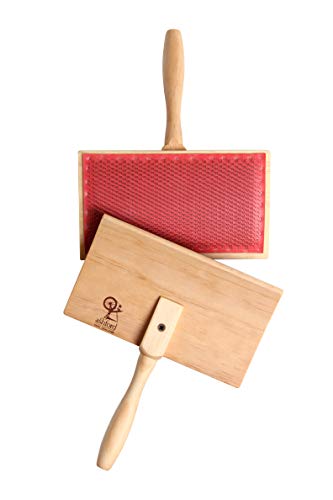
Ashford is a household name for a reason, and their standard hand carders are the reliable workhorse of the fiber world. They are widely available and offer a balanced performance that suits almost every type of fleece.
The wooden handles are ergonomically shaped to fit naturally in your palm, minimizing the strain that often comes with repetitive movements. If you are new to processing, these provide the most intuitive learning curve.
They come in different TPI (teeth per inch) options, so you can tailor your purchase to the fiber you use most. Whether you are prepping medium-length Corriedale or a longer-staple Border Leicester, these will get the job done reliably.
Strauch Petite Hand Carders for Fine Wool
If you find standard carders too heavy or cumbersome, the Strauch Petite models are a revelation. They are designed specifically for those who want a smaller, more maneuverable tool without sacrificing professional-grade quality.
These are particularly effective for fine, soft wools that require careful handling to maintain loft. By using a smaller surface area, you have more control over the amount of fiber you load, which prevents the "over-carding" that can lead to flat, lifeless yarn.
They are perfect for travelers or knitters who like to process their fiber on the go. You can easily slip these into a project bag alongside your current knitting, making them a great companion for fiber arts retreats.
Clemes & Clemes Curved Back Hand Carders
The curved back on these carders is a clever design choice that mimics the natural motion of your wrist during the carding process. By allowing for a rocking motion, they make it easier to lift the fiber off the teeth when you are finished.
These are built to last, featuring high-quality wood and teeth that stay aligned even after heavy use. The curve also helps to keep your knuckles away from the opposite carder, preventing those accidental scrapes that happen when you get into a rhythm.
They are a bit heavier than some other models, which provides a sense of stability and "heft" that many experienced spinners enjoy. If you prefer a tool that feels substantial and well-made, these are an excellent investment.
Fricke Enterprises Wool Hand Carders

Fricke carders are known for their exceptional teeth, which are made from tempered steel and set into a high-quality backing. They are incredibly sharp and effective at opening up even the most matted, "second-cut" heavy fleeces.
These are the tools you want when you are dealing with raw, unwashed, or very dirty wool. The teeth penetrate deep into the lock, ensuring that you are removing vegetable matter and debris as you card.
The construction is rugged and straightforward, designed for function over flash. If you are a serious fiber enthusiast who processes large quantities of raw fleece, these carders will likely become your most trusted equipment.
Louet Curved Hand Carders for Beginners
Louet is famous for their thoughtful engineering, and these curved carders are designed to be user-friendly right out of the box. The curve is subtle, providing just enough ergonomic support to make the carding motion feel smooth and fluid.
These are an excellent choice for beginners because the teeth are set at an angle that encourages the fiber to move correctly without requiring perfect technique. You will find it much easier to create a smooth, clean batt with these than with flat, budget-store alternatives.
They are lightweight and comfortable, making them easy to use for extended periods without cramping. If you are just starting your journey into spinning your own yarn, these provide a low-frustration experience that keeps you motivated.
Understanding TPI: Choosing Your Carder Density
TPI, or "Teeth Per Inch," is the most critical technical specification to consider when buying carders. A lower TPI (around 40-50) is designed for coarser, longer fibers like Lincoln or Romney, as it allows the fiber to move through the teeth without getting stuck.
A higher TPI (70-100+) is essential for fine, short-staple fibers like Merino or Cashmere. If you try to card fine wool on low-TPI carders, you will simply pull the fiber apart rather than aligning it, leading to a weak, uneven yarn.
- Low TPI (40-50): Best for coarse wool, long staples, and heavy cleaning.
- Medium TPI (60-70): The "all-rounder" for medium-breed fleeces.
- High TPI (80+): Necessary for fine, soft, or delicate fibers.
Curved vs Flat Backs: Which Suits Your Wrist?
The debate between curved and flat backs is largely about personal ergonomics and your specific carding style. Flat backs are traditional and offer a larger surface area for those who prefer to work with larger batts of fiber.
Curved backs are designed to facilitate a "rocking" motion, which can significantly reduce wrist strain for some knitters. By following the natural arc of your hand, they help you maintain a consistent angle of contact with the fiber.
If you have any history of wrist pain or carpal tunnel, the curved back is usually the safer, more comfortable choice. However, if you are used to the traditional flat style, switching to a curved model might feel awkward at first until you adjust your technique.
Essential Tips for Maintaining Your Carder Teeth
Your carders are an investment, and they require regular care to remain effective. Always store them with the teeth facing each other to prevent damage to the delicate points, and keep them in a dry place to prevent rust.
Use a "flicker" or a small stiff brush to remove residual fiber and vegetable matter after every session. If you leave bits of wool and grease in the teeth, they will eventually attract dust and moisture, which can degrade the metal over time.
- Never use water to clean the teeth; use a stiff synthetic brush.
- Store them in a protective case or a dedicated drawer.
- Check the teeth periodically for any that have bent or flattened; they can often be gently straightened with a small pair of pliers.
Investing in a quality pair of wool carders is a game-changer for any knitter who wants to control their yarn from the fleece up. By matching your tool’s TPI and shape to your favorite fiber types, you ensure a smoother, more enjoyable processing experience. Remember that the best carder is the one that feels comfortable in your hands and produces the loft you desire for your projects. Happy fiber prepping, and may your hand-spun yarn be as beautiful as the projects you create with it.