7 Best Leather Cord Ends For Fringe Finishes
Discover the top 7 leather cord ends for professional fringe finishes. Learn which durable materials and designs best secure your jewelry and accessory projects.
Adding a professional fringe to a hand-knit shawl or a woven tapestry requires hardware that matches the quality of your fiber. Leather cord ends are the secret to turning a loose, fraying edge into a clean, structural statement piece. Choosing the wrong connector can lead to sagging or, worse, having your hard work slip right out of the clasp. This guide breaks down the best options to ensure your finishing work looks as intentional as your stitch pattern.
Beadsmith Fold-Over Cord Ends: Best Overall Pick
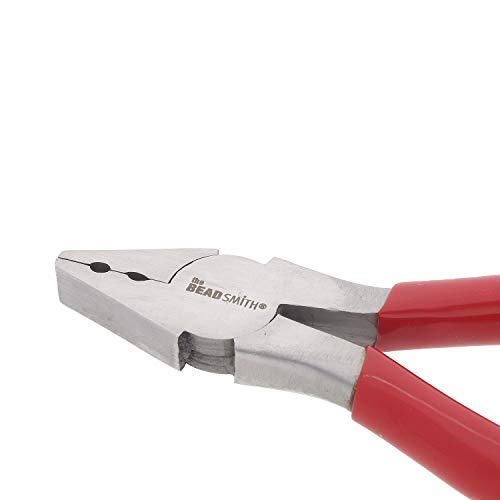

These fold-over style ends are a staple in my studio for a reason. They offer a classic, low-profile look that doesn’t distract from the drape of your fringe.
Because they rely on a simple mechanical crimp, they are incredibly versatile for different thicknesses of leather or even braided yarn bundles. You simply place your fibers inside, fold the wings over with flat-nose pliers, and you have an instant, secure anchor.
The tradeoff here is that they require a steady hand to ensure the wings fold symmetrically. If you’re prone to uneven pressure, you might end up with a slightly lopsided finish, so practice on a scrap piece first.
TierraCast Rhodium Plated Ends: Premium Choice

When I’m finishing a luxury project, like a cashmere-blend wall hanging or a high-end leather accessory, I reach for TierraCast. The rhodium plating provides a brilliant, tarnish-resistant finish that feels substantial in the hand.
The engineering on these is superior, with a consistent internal diameter that grips fibers reliably. You aren’t just buying a fastener; you’re buying peace of mind that your work won’t oxidize or snap after a few months of wear.
Do keep in mind that these are significantly heavier than standard alloy ends. If your project is delicate or lightweight, the added weight might pull at the edge of your knit, so balance is key.
Cousin DIY Silver Tone Crimp Ends: Best Budget

If you are just starting to experiment with adding fringe to your work, you don’t need to break the bank. These silver-tone ends are perfect for testing out the look without a heavy financial commitment.
They are easy to manipulate and forgiving enough for a beginner who is still learning how much pressure to apply with pliers. They provide a clean, metallic aesthetic that works well with most neutral-toned fibers.
The downside is that they are made from a softer base metal, which means they can scratch or lose their luster over time. They are best suited for decorative items rather than pieces that will see heavy, daily use.
Pandahall Elite Iron Cord Ends: Best Value Set

For those of us who produce multiple items, like a batch of gift bags or a series of wall hangings, buying in bulk is a necessity. This set offers a massive variety of sizes, which is crucial when you aren’t sure exactly how thick your fringe bundle will be.
Having an assortment on hand allows you to "audition" different ends before committing to a final crimp. It’s the fiber arts equivalent of having a full set of interchangeable needles; you’ll never be stuck without the right size.
Because these are made of iron, they are quite rigid. You will need a sturdy pair of pliers to close them, and they lack the subtle "give" of softer metals, so ensure your bundle size is accurate before you squeeze.
Nunn Design Brass Cord Ends: Best for Durability

Brass is an exceptional choice if you want a finish that develops a natural patina over time. These cord ends are built to last, offering a structural integrity that holds up even when tugged or snagged.
I often use these for projects that are meant to be handled frequently, like keychains or bag charms. The metal is thick and resists bending, meaning your fringe is locked in place for the long haul.
The primary consideration is the color profile; brass has a warm, vintage aesthetic that might clash with cool-toned yarns. Always check your color palette against the metal tone before finalizing your selection.
Darice Metal Crimp Ends: Best for Beginners

These crimp ends are designed for simplicity, featuring a wide opening that makes inserting your fringe bundle a painless process. If you’ve ever struggled with a fiddly clasp, you’ll appreciate how these prioritize ease of use.
They are lightweight and unobtrusive, making them a great choice for garments where you don’t want the hardware to be the focal point. They disappear into the design, letting the texture of your yarn or leather do the talking.
Because they are so lightweight, they aren’t the most secure option for heavy-duty fringe. I recommend these for lightweight decorative trims rather than structural elements that bear weight.
Beadalon Easy-Wrap Cord Ends: Best for Security
Security is the biggest concern when finishing fringe, and these ends provide a unique "wrap" mechanism that is far more reliable than a standard crimp. They act almost like a tiny hinge, wrapping around the leather to create a tight, uniform seal.
If you are working with slippery materials or thin leather lace, this design is a lifesaver. It prevents the dreaded "fringe slide," where the fibers slowly pull out of the clasp over time.
They are slightly more complex to attach than a standard fold-over end, so take your time. Once they are set, however, they are virtually impossible to pull apart, making them worth the extra effort.
How to Select the Right Cord End for Your Fringe
Choosing the right end is all about matching the inner diameter of the clasp to the thickness of your fringe bundle. If the end is too large, your fringe will slip out; if it’s too small, you’ll crush your fibers and create a messy, frayed look.
Always measure your bundle of leather or yarn while it is compressed, not while it is loose. A good rule of thumb is to allow for a tiny bit of wiggle room, which you can then fill with a drop of clear-drying jewelry glue for extra security.
Consider the weight of your fiber, too. Heavy, thick leather requires a sturdy, rigid metal end, while delicate, fine-gauge fringe can be finished with a lighter, softer alloy.
Essential Tools for Attaching Leather Cord Ends
To get a professional result, you need the right pliers. I strongly recommend using nylon-jaw pliers to avoid scratching the finish of your metal cord ends during the crimping process.
A pair of flat-nose pliers is standard for fold-over ends, while chain-nose pliers are useful for closing jump rings attached to those ends. If you are working with very small components, a pair of fine-tip tweezers can help you position fibers precisely.
Keep a small container of E6000 or similar industrial-strength craft glue nearby. A tiny dab inside the cord end before crimping provides a permanent bond that mechanical pressure alone cannot guarantee.
Tips for Securing Fringe to Prevent Unraveling
Before you even reach for a cord end, ensure your fringe is properly prepared. If you are using leather, make sure the ends are cut cleanly with a sharp rotary cutter; jagged edges will eventually cause the leather to snap or pull away.
If you are using yarn for your fringe, consider tying a small, tight overhand knot at the very tip of the bundle. This creates a "stopper" that the metal end can grip onto, preventing the fibers from sliding out even if the crimp loosens slightly.
Finally, always double-check your tension. If the fringe feels like it has "give" after you’ve attached the end, don’t be afraid to add a second, smaller crimp or a bit more adhesive. It is always better to over-secure than to have to redo the entire edge.
Selecting the right cord end is the final, crucial step in elevating your project from a handmade craft to a professional-grade piece. By balancing the weight of your materials with the mechanical strength of your hardware, you ensure that your fringe remains as beautiful as the day you finished it. Take your time with the crimping process, prioritize a secure bond, and your work will stand the test of time. Happy making, and may your finishes always be as polished as your stitches.